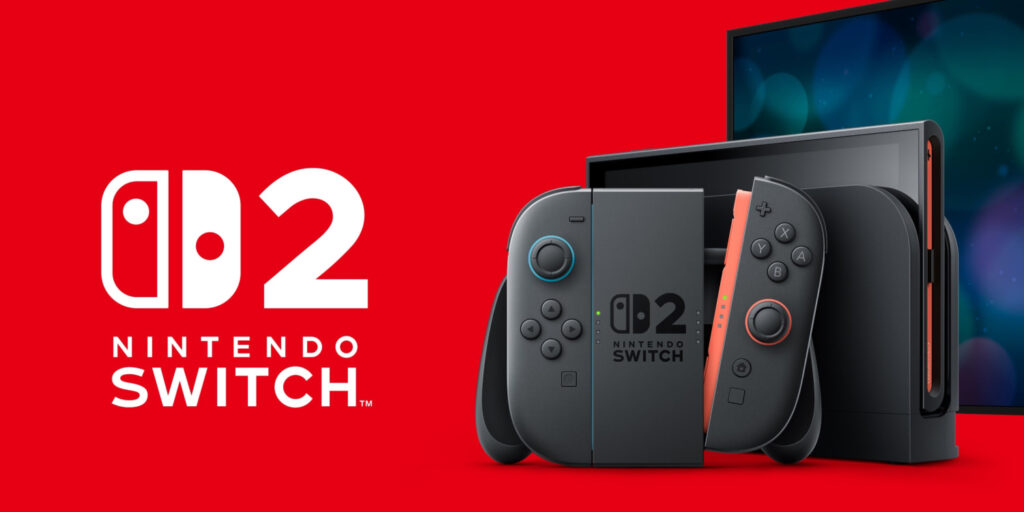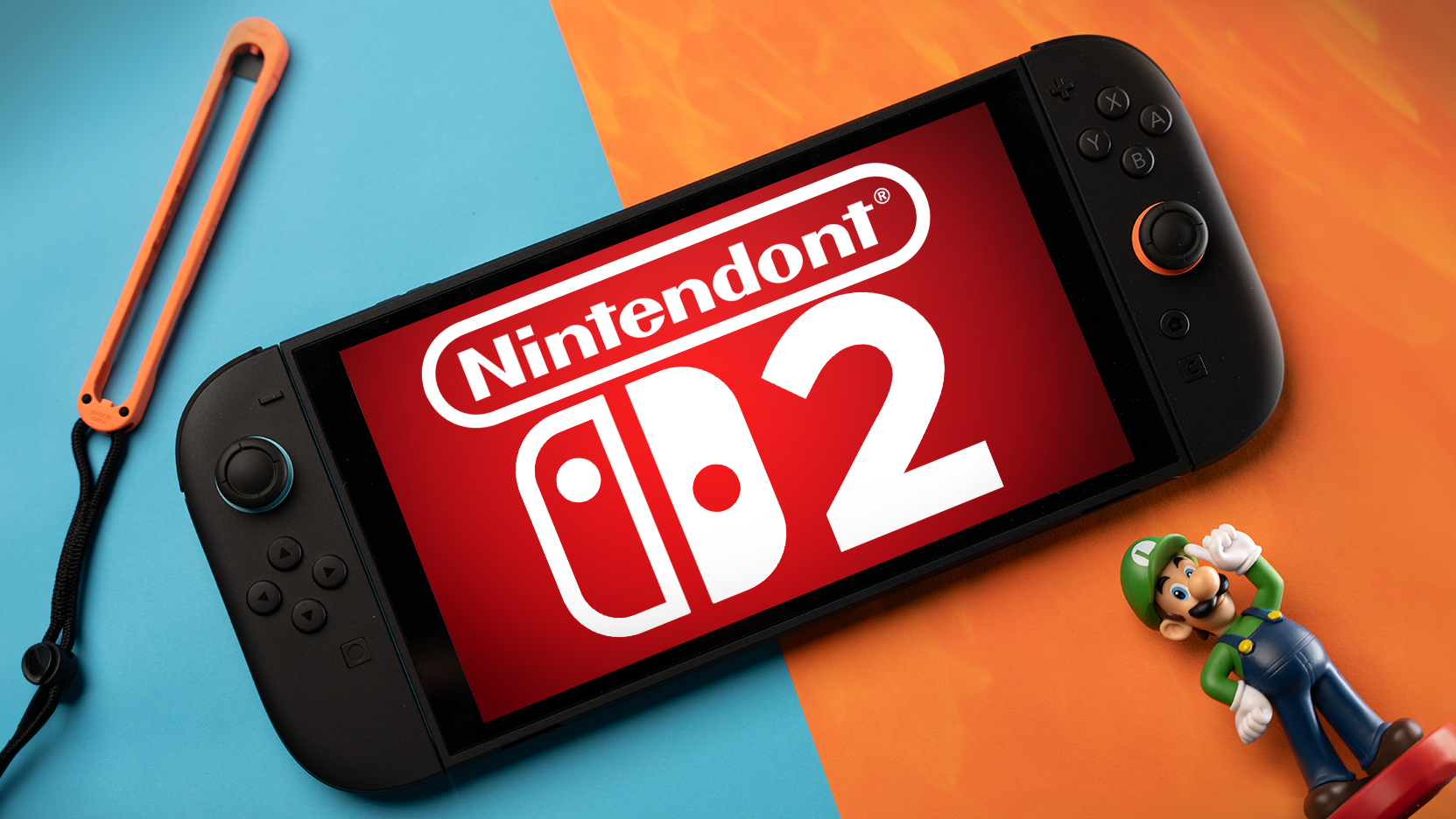

Nintendo Switch 2 Review: Better in Every Way… But Is It Enough?
After years of anticipation, the Nintendo Switch 2 is finally here. Fans around the world lined up at midnight launches, eager to get their hands on Nintendo’s latest handheld. And while the excitement is real, the question remains: is the Switch 2 worth it?
To put it bluntly—it’s better in almost every way, but whether it justifies the price tag or an upgrade depends on your expectations.
A Different Gaming Landscape
When the original Switch launched in 2017, it entered a market with virtually no handheld competition. Sony had given up on the PSP, and devices like the Steam Deck were years away. Nintendo had the handheld space to itself—and it thrived.
Fast forward to 2025, and the handheld market is flooded with competitors. From the Steam Deck to ASUS ROG Ally and Lenovo’s Legion Go, nearly every major tech brand has entered the arena. Even Xbox is rumored to be releasing its own handheld later this year.
So how does Nintendo respond?
Classic Nintendo: Form Over Power
In typical Nintendo fashion, they didn’t chase raw specs or powerful internals. The Switch 2 isn’t trying to be the most powerful handheld on the market—and honestly, Nintendo doesn’t seem to care.
What they’ve created is a refined, polished update to the original Switch. The core experience remains: portable, accessible fun, with a focus on Nintendo’s world-class first-party games. And for many fans, that’s enough.
But let’s break it down:
Hardware & Performance: A Solid Upgrade
The Switch 2 features upgrades across the board: more RAM, a better processor, and even support for NVIDIA’s DLSS technology to enhance graphics quality. It runs games at a native 1080p in handheld mode and up to 4K when docked, with a higher refresh rate for smoother gameplay.
In practice, everything feels faster and sharper, from gameplay to UI transitions. The screen is now 7.9 inches, has a 120Hz refresh rate, and supports HDR10 and 10-bit color. It’s bright, vibrant, and crisp—but it’s still an LCD panel, not OLED.
And yes, the LCD vs OLED debate still matters. OLED panels, like the one on the Switch OLED, offer deeper blacks and lower power consumption. Nintendo likely skipped OLED for now to keep costs down, but don’t be surprised when a Switch 2 OLED model drops in a year or two.
Battery Life: Room for Improvement
Despite a bump to a 5220mAh battery, the Switch 2’s battery life clocks in at around 2 to 4 hours—a step back from the OLED model. The high refresh rate screen and more powerful hardware definitely eat into battery life.
For comparison, many new handhelds now feature massive 80Wh batteries. Nintendo’s 19.75Wh battery feels a bit dated by contrast, and it shows.
Joy-Cons: Still Not Perfect
The Joy-Cons received minor updates, including improved magnetic connectors and some new features like mouse emulation. Unfortunately, the mouse functionality is clunky and not widely supported yet—it feels more like a gimmick than a game-changer.
Ergonomically, they’re still too small for long sessions, especially with the Switch 2’s increased size and weight. There’s still no analog triggers, and—worst of all—they still don’t use Hall Effect joysticks, so drift is still a risk.
Webcam & Extras: Neat but Nich
One of the more surprising additions is webcam support. No, you won’t be streaming directly to Twitch, but you can make video calls with friends, particularly through apps like Discord. Nintendo even sells their own branded webcam, and some third-party options are supported—though compatibility is limited.
There are also small quality-of-life improvements, like an extra USB-C port and more thoughtful charging options. These touches show that Nintendo listened to community feedback, even if not every addition lands perfectly.
The Nintendo Experience
At its core, the Switch 2 feels like a Switch—just better. If you grew up on Nintendo games, it will hit all the right notes. Pulling off the Joy-Cons and playing with friends, docking the console to your TV, jumping from Pokémon to Mario in seconds—that magic is still here.
But viewed purely as a piece of tech? It’s underwhelming. The performance is closer to a PS4 than a next-gen console. And when you compare it to what you can get from Windows-based handhelds in the same price range, the value proposition gets murky.
Pricing & Exclusives: The Real Debate
This is where it gets tricky. Nintendo’s first-party IPs—Zelda, Mario, Pokémon—are what truly sell the console. But the pricing model hasn’t changed. You're still paying $70–80 for years-old ports, and the Switch 2 isn’t launching with a flood of exclusive titles either.
If you're comparing it to an upcoming Xbox handheld or something like the Steam Deck, which gives you access to a massive game library, the Switch 2 starts to feel less compelling—unless you’re a die-hard Nintendo fan.
Should You Buy the Switch 2?
If you already own a Switch or Switch OLED:
No, not yet. Wait for more exclusives or a possible OLED version. There’s not enough right now to justify the upgrade.
If you’re new to Nintendo or skipped the first Switch:
Yes, especially if you value simplicity, instant play, and Nintendo’s exclusives. The Switch 2 is a great way to dive into that ecosystem.
If you're more of a power user or multiplatform gamer:
Consider your options. Handhelds like the Steam Deck or Legion Go offer more power, better ergonomics, and a huge game library—often at a similar price.
Final Verdict
The Nintendo Switch 2 is a strong, thoughtful refresh of one of the best-selling consoles of all time. It’s better in almost every way—but it’s not revolutionary. Nintendo stayed in their lane, focusing on improving what already worked rather than reinventing the wheel.
Could it have been better? Absolutely.
Should it be cheaper? Probably.
Will it satisfy longtime Switch fans? Most likely.
Just don’t expect it to blow you away—unless you're already in love with Nintendo.