
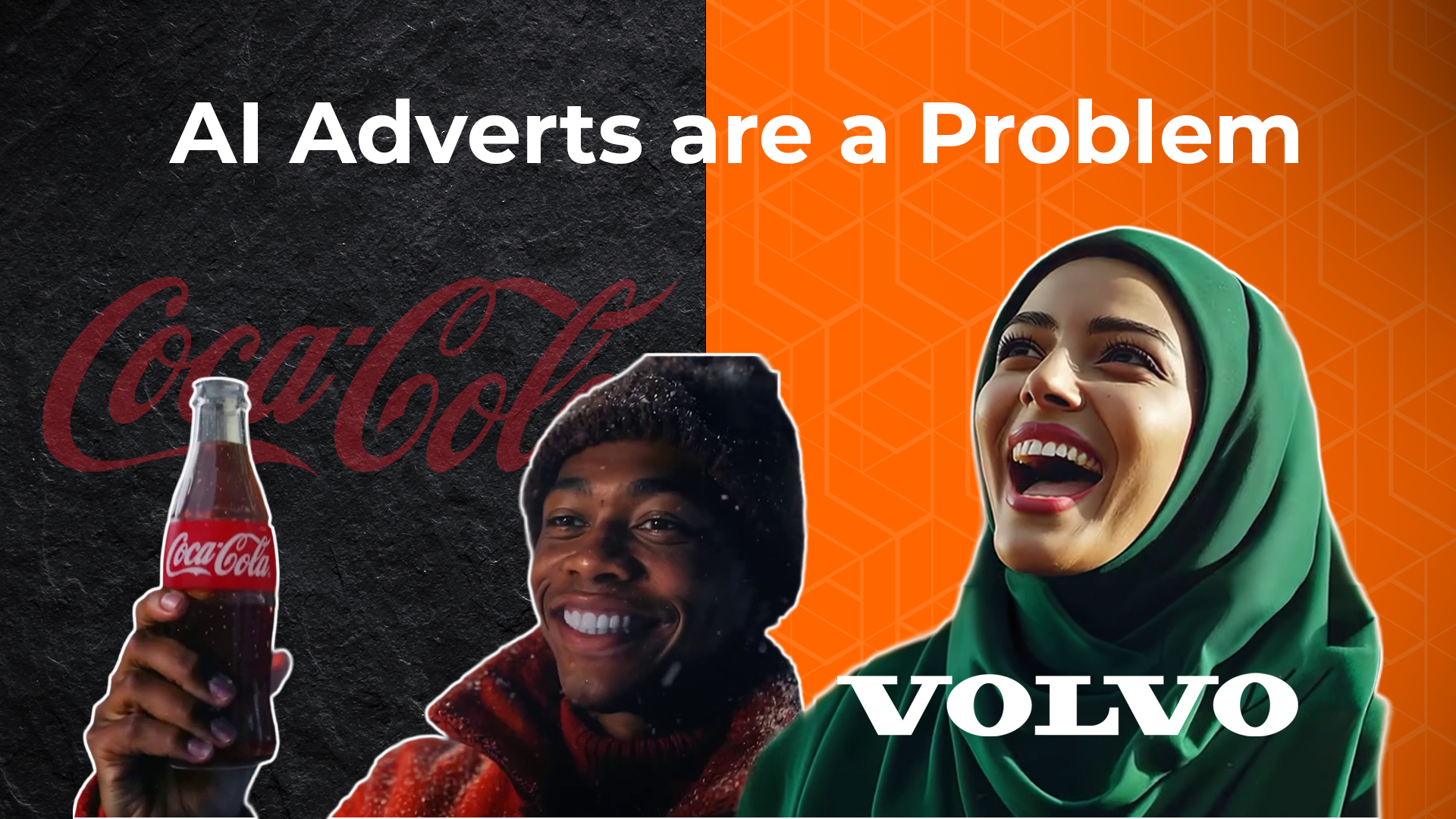

AI Ads Bring Low-Cost Output with High Hidden Costs
By Stefan @wedotech
Marketing and machines together
Right now, ads made by artificial intelligence pop up constantly. Since they cost little and can spread fast, companies keep using them. It sounds logical at first glance - after all, reaching people matters, while machines promise speed.
Still, what actually shows up tends to lack depth, emotion, or real connection. Compared to classic ad work, these computer-made versions come off flat, distant, sometimes even awkward.
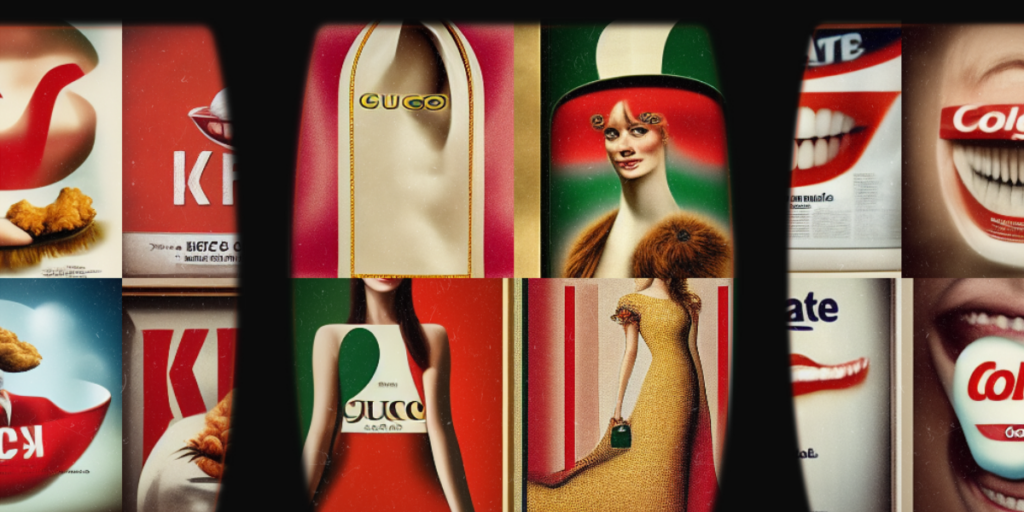
What’s Actually Happening
Out there now, artificial intelligence shapes commercials on apps people scroll through daily. Cheaper to make, quicker to finish - those perks draw firms in fast. But viewers hit back without delay. Comments get shut off since most responses sting more than help.
Recognition might grow, true - but so does distrust. What looks like progress can leave a sour taste instead.

AI Ads Often Fail to Connect
AI ads often mislead with fake claims and blurry promises
A lazy vibe creeps in when corners are cut instead of ideas lifted. Creativity takes a backseat once savings become the spotlight.
Suddenly, people notice these tools pushing workers out instead of standing beside them. What looks like help often feels like a slow fade for real skills. Eyes watch closely when machines take center stage without sharing the spotlight.
Most AI-generated commercials sound too much alike, losing realness. That flat feel sticks - just awkward instead of memorable. A robot voice reads lines without warmth; emotion dries up. Words slide by with no grip, no spark catching hold. Flat delivery replaces human rhythm, leaving silence where connection should grow.
When people react badly online, it shows just how much they dislike these efforts. Shutting down comments makes that frustration even clearer.
A shaky approach takes shape when marketing chips away at confidence rather than growing it.

Criticism Brands Must Acknowledge
Here, the idea that any attention helps falls apart. Especially if you consider AI Ads an its nature. Not because people talk about AI ads, but because what they say and how they look, which is usually uncanny, damages trust. Many look at one and instantly think less of the company behind it. It comes across as taking the easy path - yet easy paths seldom win lasting support. This also usually includes companies that make AI the entire focus when creating a product, similar to Honor's announcement event that recently took place.
Competitor Comparison: Human vs. AI Creativity
A story shaped by people often feels real. Not AI Ads. Because emotion finds its way into small details. While culture shows up in gestures, not slogans. When voices stay true, listeners lean in. Where trust grows, messages stick without force.
A machine mind runs the show - quick, light on cost, built to grow. Yet something feels hollow at its core.
Not every brand goes full robot. A few mix smart software into their workflow just to speed things up. Still, people stay in charge when ideas need flair. Machines handle repetition. Humans step in where imagination matters most.
One thing stands out. Creativity from people brings things together. By itself, artificial intelligence pulls them apart.

Final Thoughts How Speed Can Erode Trust
Profit whispers louder when ads run on artificial brains. Machines cutting costs can shout weakness instead of strength. People notice cold choices. Trust slips where warmth once lived. A brand feels hollow without human hands shaping it.
If you're curious about how bad the use of AI ads and AI in companies have gotten, the recent Apple event that took place in March 2026 has also used an uncomfortable amount of AI to showcase their new MacBook Neo.
Should companies try using AI, they must treat it like help for people's ideas, never a substitute. Without that care, expect disabled comment sections, fading trust, plus slow realizations: hollow promotion fails every time.
Very shortly this web page will be famous among all blog
visitors,due to it’s fastidious content