

Sony Dynamic Pricing Is a Bad Move in 2026
By Stefan @ WeDoTech
This Feels Like a Step Back
Sony Dynamic Pricing is one of those ideas that immediately raises eyebrows. On paper, it sounds flexible. Prices adjust based on behavior, potentially making games more accessible to certain users.
But in practice, it introduces a problem that feels fundamentally unfair.
The more you support the platform, the more you could end up paying. That alone is enough to make this approach controversial, especially in a space where loyalty is supposed to be rewarded, not penalized.

Where This Idea Comes From
Dynamic pricing is not a new concept. It already exists in industries like airlines, ride sharing, and even online retail. Prices fluctuate based on demand, timing, and user behavior. Bringing that into gaming, though, changes the relationship between players and platforms.
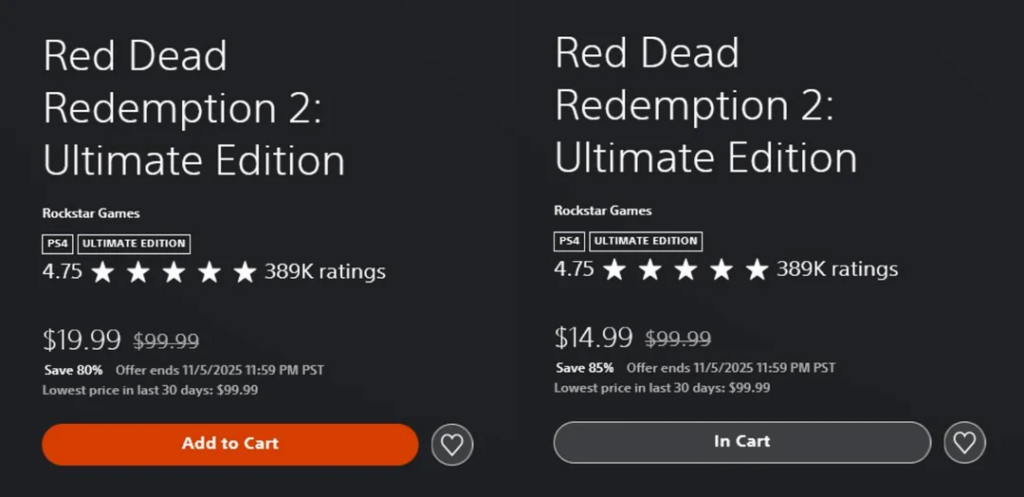
Instead of fixed pricing that feels predictable, Sony Dynamic Pricing introduces variability based on how often you buy games. That means two users could be looking at the same title and seeing different prices.
That shift alone changes how purchases feel.
What It Actually Means for Players
At its core, Sony Dynamic Pricing adjusts game prices based on your buying habits. If you buy fewer games, you could see lower prices as an incentive to spend. That sounds positive at first.
But for regular buyers, the situation flips. If you are consistently purchasing games, you could end up paying more simply because your behavior suggests you are willing to spend.
This creates a strange dynamic where loyal customers are effectively treated as higher value targets rather than rewarded users.
And that is where the frustration starts to build.
Why This Is a Problem
The biggest issue with Sony Dynamic Pricing is perception. Gaming has always relied on a sense of fairness. Everyone pays roughly the same price for the same experience. That consistency builds trust between players and platforms. Dynamic pricing breaks that expectation.
If players start to feel like they are being charged differently based on their habits, it creates hesitation. People may delay purchases, second guess pricing, or feel like they are being taken advantage of.
That is not a good place for any platform to be.
The Loyalty Problem
There is also a deeper issue here. Loyalty. In most ecosystems, the more you engage, the more you are rewarded. Discounts, early access, bonus content. These systems are designed to keep users invested.
Sony Dynamic Pricing flips that idea. The more you buy, the more you might pay. Even if the system is designed with nuance, the perception alone is damaging. It sends the message that frequent buyers are less deserving of value.
That is a risky position to take in a highly competitive market.
How It Compares to Other Pricing Models
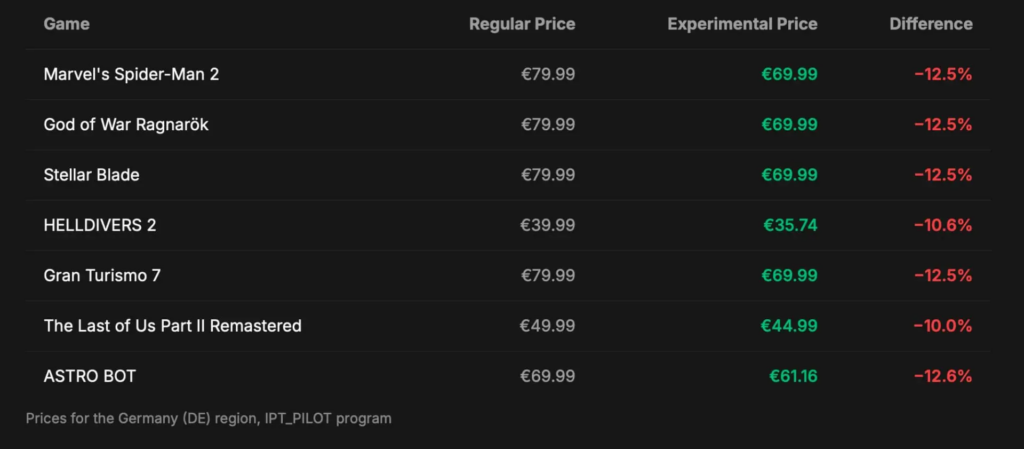
Most gaming platforms rely on predictable pricing structures. Sales, bundles, subscription services. These models are easy to understand and feel consistent across users. Compared to that, Sony Dynamic Pricing introduces complexity without a clear benefit for the average player.
While it may drive short term engagement from less active users, it risks alienating the core audience that spends the most time and money on the platform.
That tradeoff is not as simple as it might seem.
This Could Backfire Quickly
Sony Dynamic Pricing is not guaranteed to fail, but it is a risky move. If players perceive it as unfair, the backlash could outweigh any potential benefits. Gaming communities are highly vocal, and pricing strategies are one of the quickest ways to lose trust.
There is also the question of transparency. If users do not fully understand how prices are being determined, it adds another layer of frustration. And once trust is lost, it is difficult to rebuild.

A Risky Direction for Sony
Sony has built a strong reputation with its gaming ecosystem. High quality exclusives, a loyal player base, and a platform that feels consistent. Sony's new Dynamic Pricing does not align with that reputation.
It introduces uncertainty where there used to be clarity. It risks alienating the very users who support the platform the most.
This is not about innovation. It is about execution. And right now, this feels like a step in the wrong direction.
If you enjoy reading about this check out our recent coverage on how the Average Tech markets are taking over 2026.