
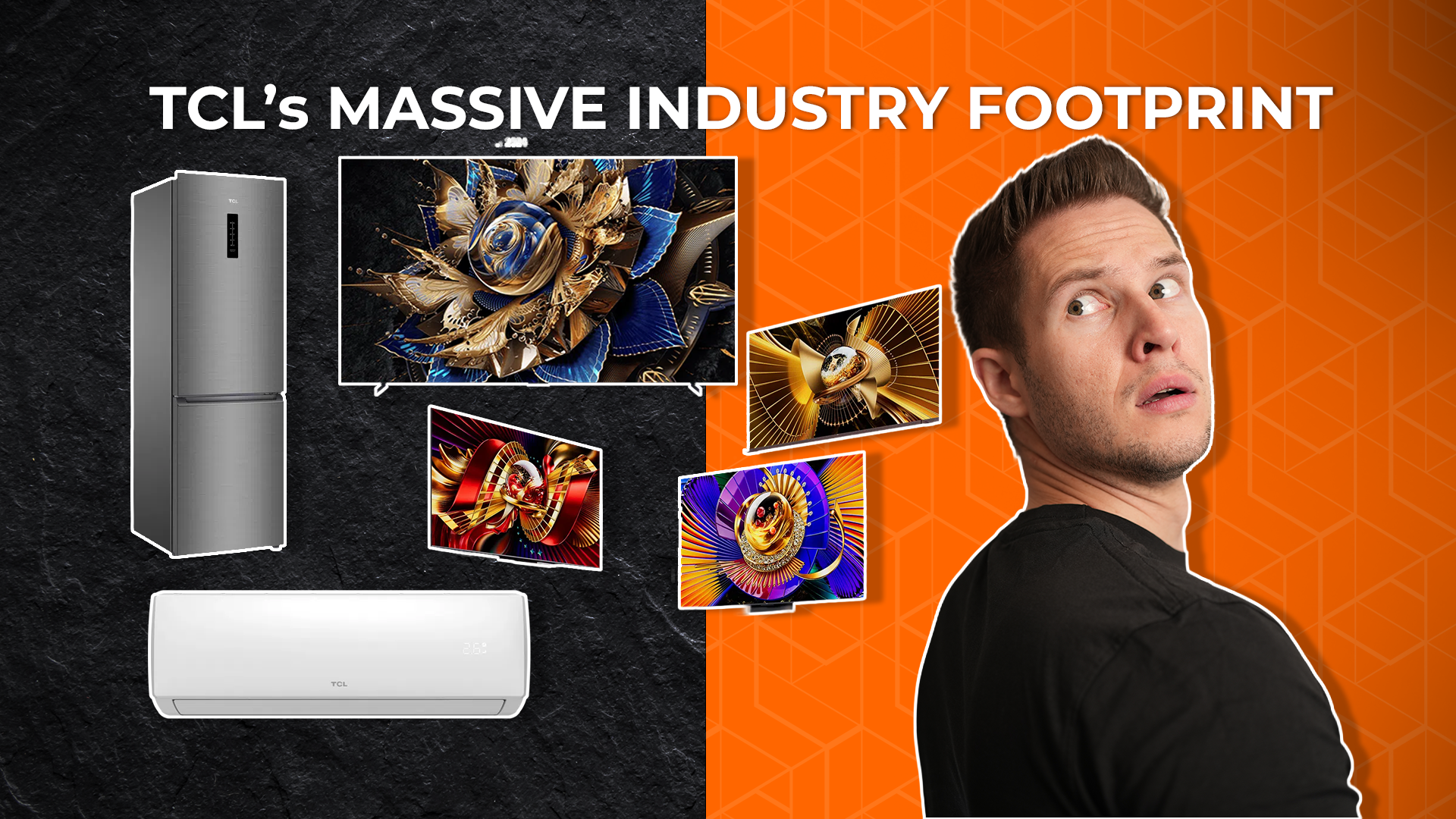

TCL Ecosystem: TVs Are Just the Start
By Stefan @ WeDoTech
So… TCL Does All Of This?
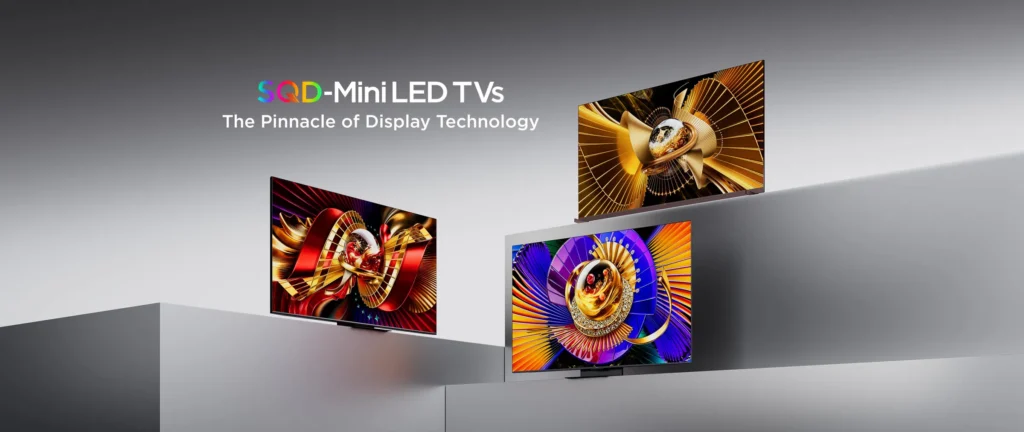
TCL products are becoming much bigger than most people realize. Ask almost anyone what TCL makes, and the answer is usually simple. TVs. Specifically, their new SQD Mini LED TVs that have been getting a ridiculous amount of attention lately.
But after seeing the scale of what TCL is actually building, it becomes very clear that TVs are only a small part of the picture.
The TCL Ecosystem now stretches across almost every category imaginable. Air conditioners, solar panels, AI glasses, routers, smartphones, tablets, wearables, air purifiers, refrigerators, smart locks, gaming monitors, and even AI-powered washing machines.
And honestly, the scale of it all is what feels the most impressive.
What Actually Happened Here?
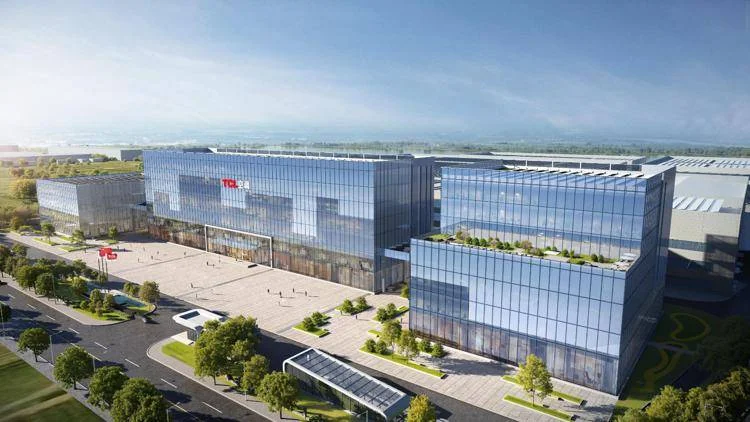
During a recent TCL showcase event, the company demonstrated just how massive their ecosystem has become.
The obvious stars of the event were still the flagship SQD Mini LED TVs, especially with the focus on extreme brightness and premium display technology.
But walking around the event floor made one thing clear. TCL is not trying to be just another TV brand anymore.
They are building a connected smart home ecosystem powered heavily by automation and AI-focused features.
One of the biggest surprises was their AI washing machine technology.
According to TCL, the washing machines can detect fabric type, analyze how dirty clothes are using soil-level sensing, and then automatically adjust the wash cycle and detergent usage. Some models also include voice activation and smart app integration.
That sounds futuristic, but similar AI-assisted wash systems are already appearing across the appliance industry.

What Makes The TCL Ecosystem Interesting?
This is where the TCL Ecosystem starts becoming genuinely interesting.
Key features shown across the ecosystem included:
- AI-assisted washing machines with automatic cycle adjustments
- Smart home integration and voice activation
- SQD Mini LED TVs with extremely high brightness
- 480Hz gaming monitors
- Smart air conditioners with AI energy-saving features
- AI glasses and smart wearable devices
- Large-scale automation inside TCL factories
The washing machine demonstration was probably the most unexpected part.
Instead of manually selecting wash settings every time, TCL AI systems aim to automate the process based on clothing type and detected dirt levels.
That means the machine adjusts water usage, detergent behavior, and wash cycles automatically.
Some TCL washing machine models already include smart washing technologies, app connectivity, and intelligent washing modes.
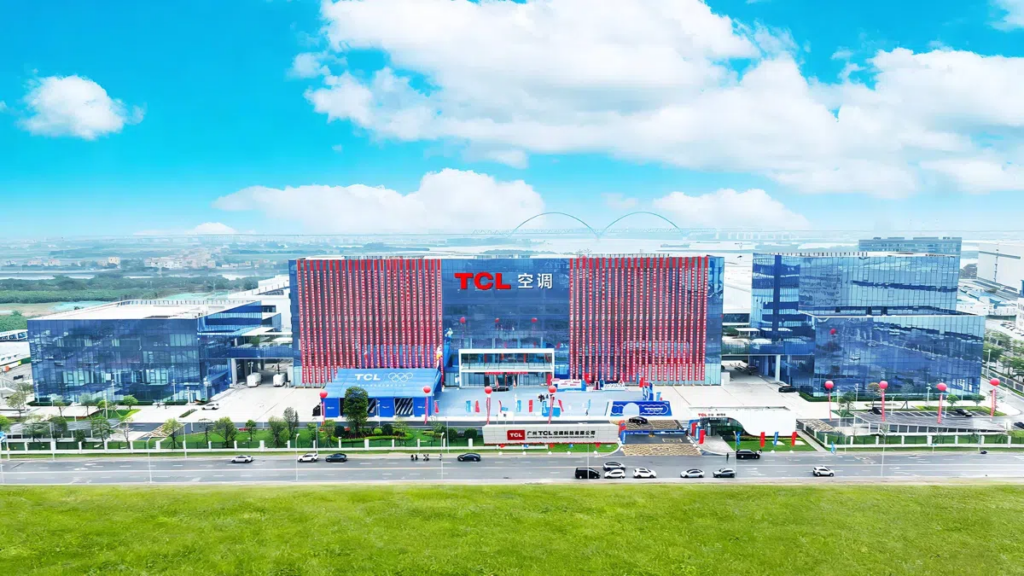
The company also showcased massive manufacturing facilities with extremely high levels of automation.
And honestly, that is probably the most important part of this entire conversation.
TCL is operating at a scale that most people simply do not associate with the brand.
Where TCL AI Still Raises Questions
As impressive as the ecosystem looks, there are still reasons to stay skeptical.
First, AI branding is everywhere right now.
Not every smart feature is truly intelligent. Sometimes companies simply automate existing features and attach the word AI to the product.
Second, automation does not always mean better real-world performance.
For example, some AI washing systems from competing brands have received criticism for overcomplicating cycles or making unnecessary adjustments.
There is also the issue of ecosystem reliability.
Building TVs is one thing. Building a reliable smart ecosystem across appliances, air conditioners, wearables, and connected devices is far more difficult.
So while the TCL Ecosystem looks impressive right now, long-term consistency will matter much more than flashy demos.
Where The TCL Ecosystem Fits
The TCL Ecosystem probably makes the most sense for:
- Users building smart homes
- Buyers wanting connected ecosystems
- People interested in automation and convenience
- Gamers looking at TCL’s high refresh rate displays
It probably makes less sense for:
- Users wanting simple non-smart appliances
- Buyers worried about long-term software support
- People skeptical of AI-focused marketing
So while the TCL Ecosystem is clearly ambitious, it still needs to prove how reliable and useful these systems are over time.
Head-to-Head: TCL Ecosystem vs Traditional Smart Home Brands
TCL Ecosystem
- Product Range: Extremely broad
- Smart Features: AI-focused automation
- TVs: Strong value and brightness performance
- Home Appliances: Expanding rapidly
- Manufacturing Scale: Massive automation focus
Traditional Smart Home Brands
- Product Range: Usually more specialized
- Smart Features: More mature ecosystems
- TVs: Varies by brand
- Home Appliances: More established reliability
- Manufacturing Scale: Depends on company
Verdict: The TCL Ecosystem is pushing aggressive expansion and innovation Traditional brands still hold stronger ecosystem maturity in many categories
If TCL maintains quality while expanding this aggressively, they could become far more important in the smart home market than most people expect.
Final Thoughts: TCL Is Expanding Fast
The TCL Ecosystem is no longer just about TVs.
What stood out most was not even the products themselves. It was the scale. The factories, automation systems, and ecosystem approach all point toward a company trying to dominate far more than entertainment.
And honestly, that changes how people should probably look at the brand.
Whether all of these AI features end up being genuinely useful is still something that needs time to prove itself. But the ambition behind it is impossible to ignore.
If you want to see another example of TCL aggressively pushing display technology forward, check out SQD Mini LED: C8L & C7L TVs, where we looked at how the company is challenging premium TV brands with massive brightness numbers and aggressive pricing.