
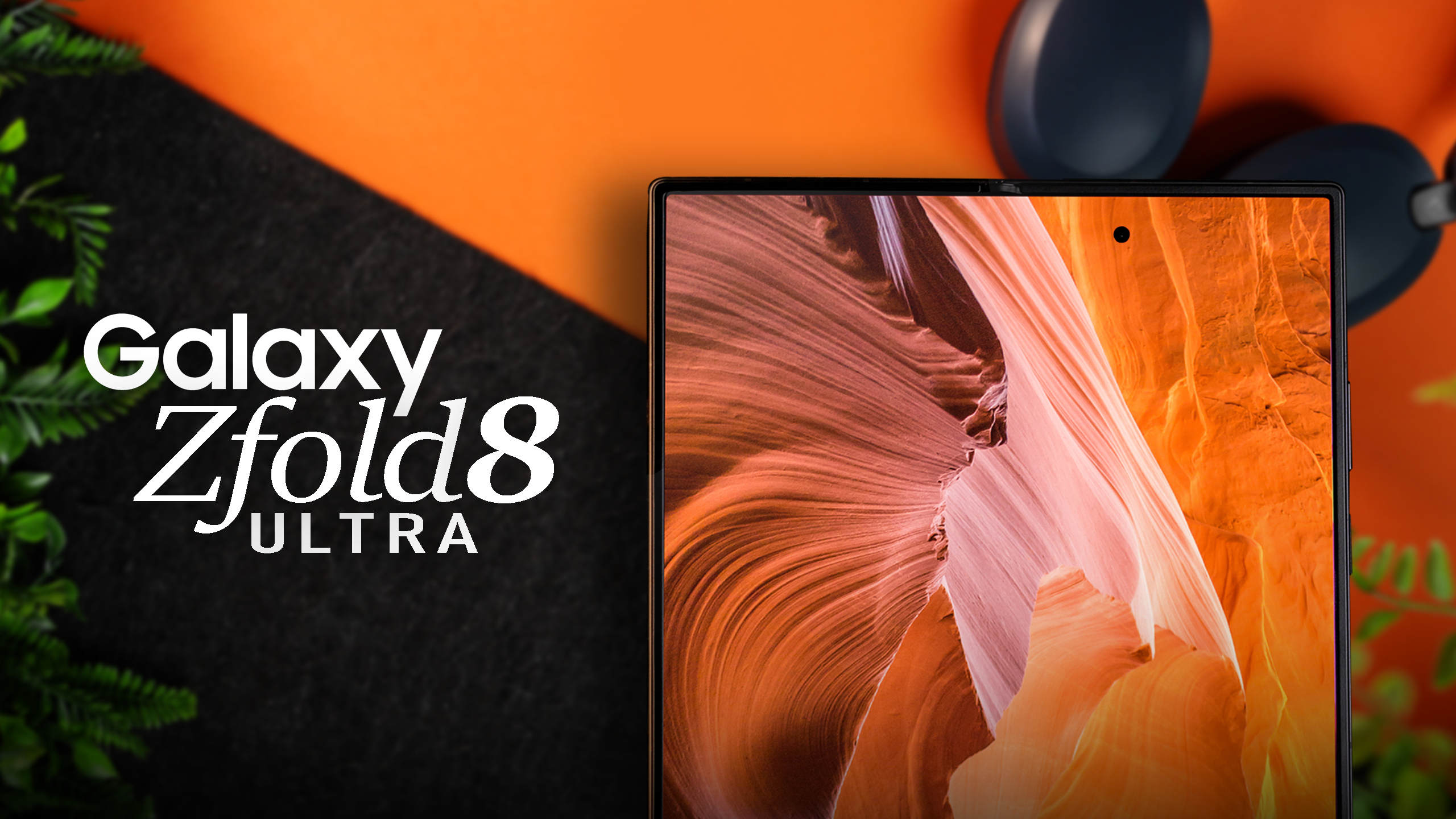

The Samsung Z Fold8 Ultra Is a Tablet First, So Use It Like One
By Stefan @ WeDoTech
After weeks of treating Samsung’s biggest foldable like a normal phone, one change in habit made it click. Most people are using the Fold8 Ultra wrong. I was too.
The pitch for the Samsung Galaxy Z Fold8 Ultra is simple: a normal phone that opens into a tablet. You take it out of the box, play with the big screen for an afternoon, and then slowly stop opening it. Unless you already use a tablet every day, the inner display turns into something you remember exists rather than something you reach for.
That is the problem this article is about. The fix costs nothing, and it changes how the whole device feels.
Samsung Made the Phone Part Too Good
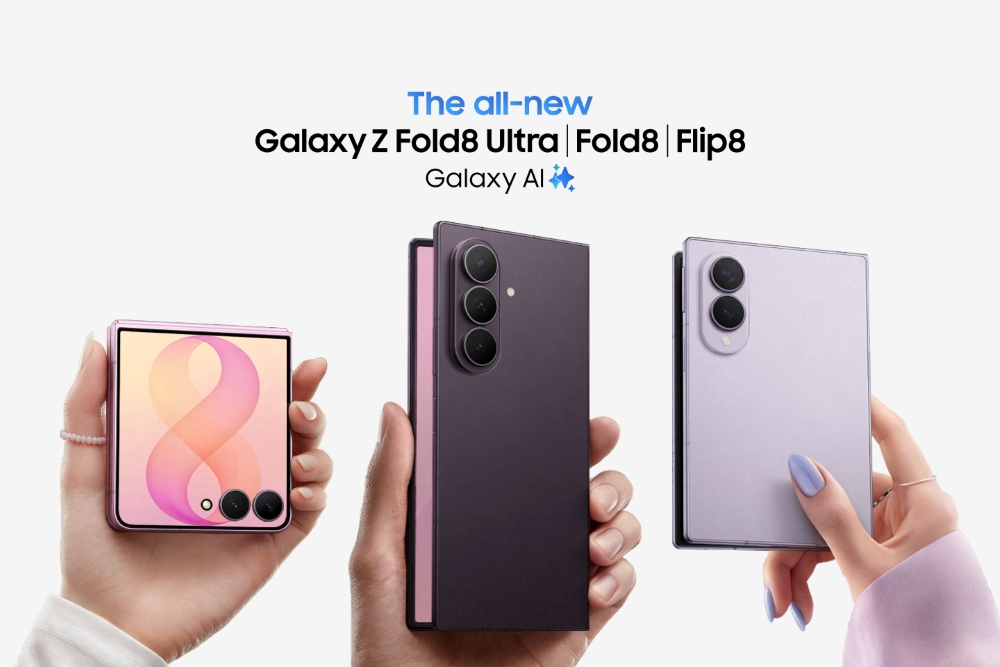
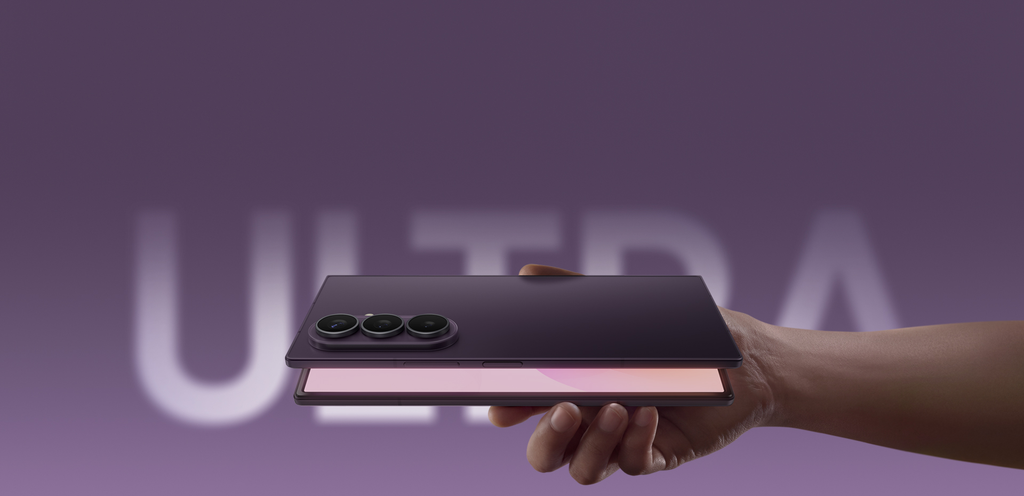
Folded shut, the Fold8 Ultra is a flagship phone in every sense. The 6.5-inch Dynamic AMOLED 2X cover screen is wide enough to type on comfortably, the Snapdragon 8 Elite Gen 5 for Galaxy is Samsung’s top chip this year, and the main camera is a 200MP sensor. All of that fits into a body that is 8.9mm thick when closed, which is why it sits in a pocket and in the hand much like a regular slab phone.
Samsung clearly spent a lot of effort making the folded Fold8 Ultra feel natural. Put it next to the Galaxy S26 Ultra and the list of things you give up is short. The main thing missing is S Pen support, which the Fold8 Ultra does not have.
Here is the catch. By convincing buyers that this is a phone first, Samsung also hands them an excuse to ignore the main reason to buy a foldable at all: the screen in the middle.
That was our experience during the first stretch with the Fold8 Ultra. Pull it out, check Instagram, answer a message, put it away. The 8-inch display only came out when a task demanded it, usually multitasking. Watching a video while taking notes, reading restaurant reviews next to the menu, or scrolling a feed while replying to friends are all things the inner screen does better than any slab phone. But the headline feature had become a “when I need it” tool, and that felt backward for a $2,099.99 device.
What Changes When You Open It by Default
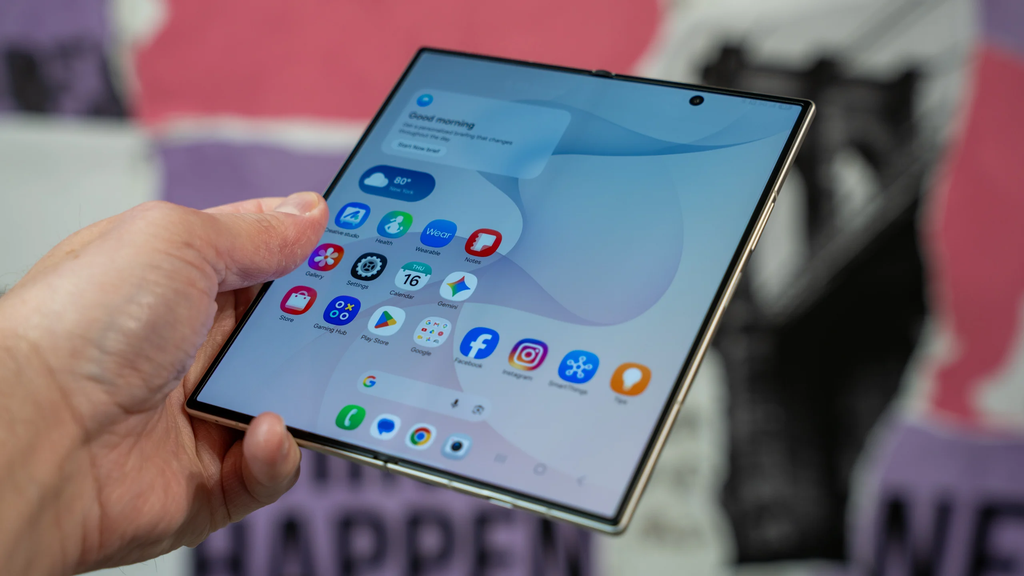
So we flipped the rule. On the Fold8 Ultra, the inner screen became the default, and the cover screen was only for jobs with a good reason to stay folded.
From there, the device started to make sense. A large number of Android apps have a tablet layout that you never see if you keep defaulting to the cover display, and several of them are dramatically better for it:
- Google Maps: a much wider view of the area around you, with far less pinching and zooming to see what is nearby.
- Web browsing: pages read more like they do on a laptop, with fewer layout compromises.
- Photos: browsing and editing a gallery on an 8-inch panel is simply more pleasant.
- Email: the side-by-side inbox and message view was the real surprise. It turns a chore into something quick.
- Games: the extra screen area makes many titles feel more immersive.
The hardware backs this habit up. The inner panel is an 8.0-inch Dynamic AMOLED 2X display at 2504 x 2256 with a 1 to 120Hz refresh rate, a 3,000-nit peak brightness rating, and an anti-reflective coating, according to Samsung’s launch specs. Unfolded, the Fold8 Ultra is just 4.1mm thick. A 5,000mAh silicon-carbon battery, the largest Samsung has put in this line, also helps when the big screen is on more often. Charging tops out at 45W wired and 20W wireless.
The camera system is the other reason the Fold8 Ultra stays a flagship. Behind the 200MP main sensor sit a 50MP ultrawide and a 10MP 3x telephoto, and Samsung says these sensors match the Galaxy S26 Ultra. We have not run a side-by-side camera test, so treat that as Samsung’s claim for now.
Once unfolding becomes a habit, it stops feeling like an inconvenience. It takes about a second, and the reward is a screen that makes most everyday tasks easier.
Where the Big Screen Still Falls Short
None of this means the Fold8 Ultra’s inner display is flawless.
YouTube is the obvious example. The near-square shape of the inner screen leaves standard video wrapped in large black bars, and neither Samsung nor Google has found a good answer for it yet. Some other apps still do not scale properly to the main display either, and when that happens you end up folding the phone back up to use the cover screen instead. Having that fallback is useful, but it also shows the software is not fully there.
Size is another limit. Eight inches is generous for a phone, but it is still smaller than most tablets, so it will not replace an iPad or a Galaxy Tab for long reading or drawing sessions. That last point matters more because there is no S Pen support.
Then there is the price. The Fold8 Ultra starts at $2,099.99 for 12GB of RAM and 256GB of storage, $100 more than the Fold7 launched at. The 512GB model is $2,299.99 and the 16GB/1TB version is $2,699.99. At that money, leaving the main feature closed most of the day is hard to justify.
Galaxy Z Fold8 Ultra vs Galaxy Z Fold8
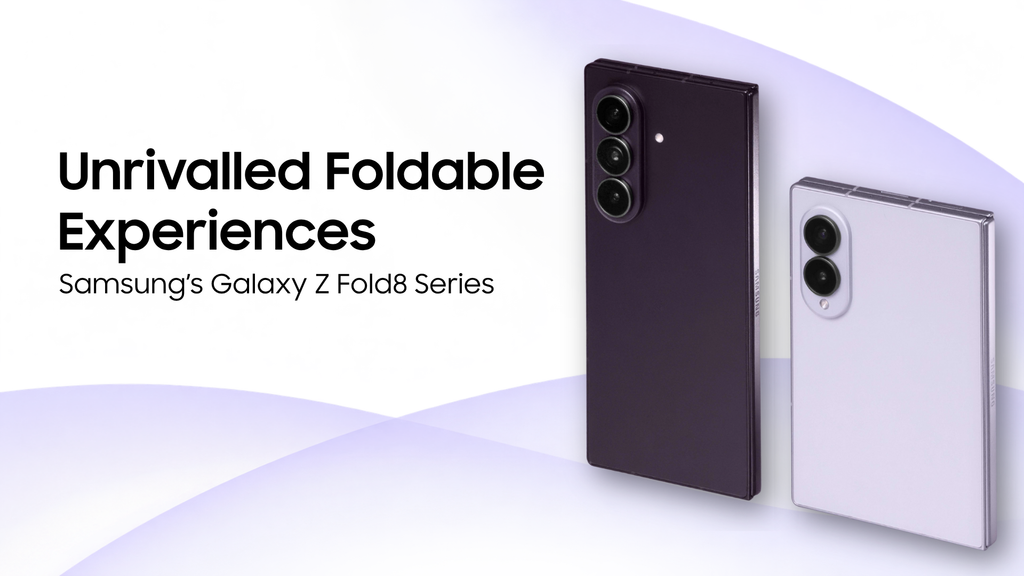
Samsung split the line this year, and the two models answer this exact problem in very different ways.
- Starting price: $2,099.99 for the Ultra, $1,899.99 for the Fold8
- Cover screen: 6.5-inch tall 21:9 panel vs 5.5-inch wide passport-style panel
- Inner screen: 8.0-inch near-square display vs 7.6-inch 4:3 display
- Rear cameras: 200MP main, 50MP ultrawide and 10MP 3x telephoto vs dual 50MP with no telephoto
- Battery: 5,000mAh vs 4,800mAh
- Weight: 215g vs 201g
The Fold8 Ultra gives you a full phone and a tablet in one body. The cover screen is good enough that you rarely need to open it, which is both its greatest strength and, as this whole article argues, its quiet trap.
The regular Galaxy Z Fold8 takes the passport approach. Its shorter, wider cover display is perfectly usable, but it is slightly less convincing as a normal phone. In our view that may be a good thing. That small bit of awkwardness gives you a reason to open it, and its 4:3 inner screen suits video and reading better than the Ultra’s near-square panel.
Apple’s iPhone Duo, which went on sale October 23 starting at $1,999, follows a similar wide layout with a 5.4-inch outer screen and a 7.6-inch inner one. That suggests the industry is leaning toward the passport shape too.
The verdict is fairly clear. If you want the best cameras, the biggest battery, and a phone that never feels like a compromise when closed, the Fold8 Ultra is the stronger device. If you want a foldable that nudges you into using the tablet half, the Fold8 is cheaper and arguably smarter in design.
Final Thoughts
The Fold8 Ultra is an excellent phone, and that is exactly why it is so easy to use it the wrong way. Samsung made the folded experience so polished that the inner screen can end up feeling optional.
Our recommendation is simple. If you buy a Fold8 Ultra, open it by default. Use the cover screen for skipping a song or replying to a quick message, which is what it is there for, and unfold it for everything else. Give it a couple of weeks, even when it feels unnecessary. That is when it stops being a phone with a big screen and starts being a tablet that fits in your pocket.
We are comfortable with the Ultra’s phone-plus-tablet approach and still prefer it personally. From a design point of view, though, the best foldable might be the one that does not give you a reason to keep it closed.
If you are still deciding between the two models, our full breakdown in Galaxy Z Fold 8 vs Fold 8 Ultra: Which One to Buy? covers the hardware differences in detail.