

Apple Aluminium Downgrade BACK to Titanium in iPhone 17
By Stefan @ WeDoTech
Apple Moves Away from Titanium — Here’s Why It Matters
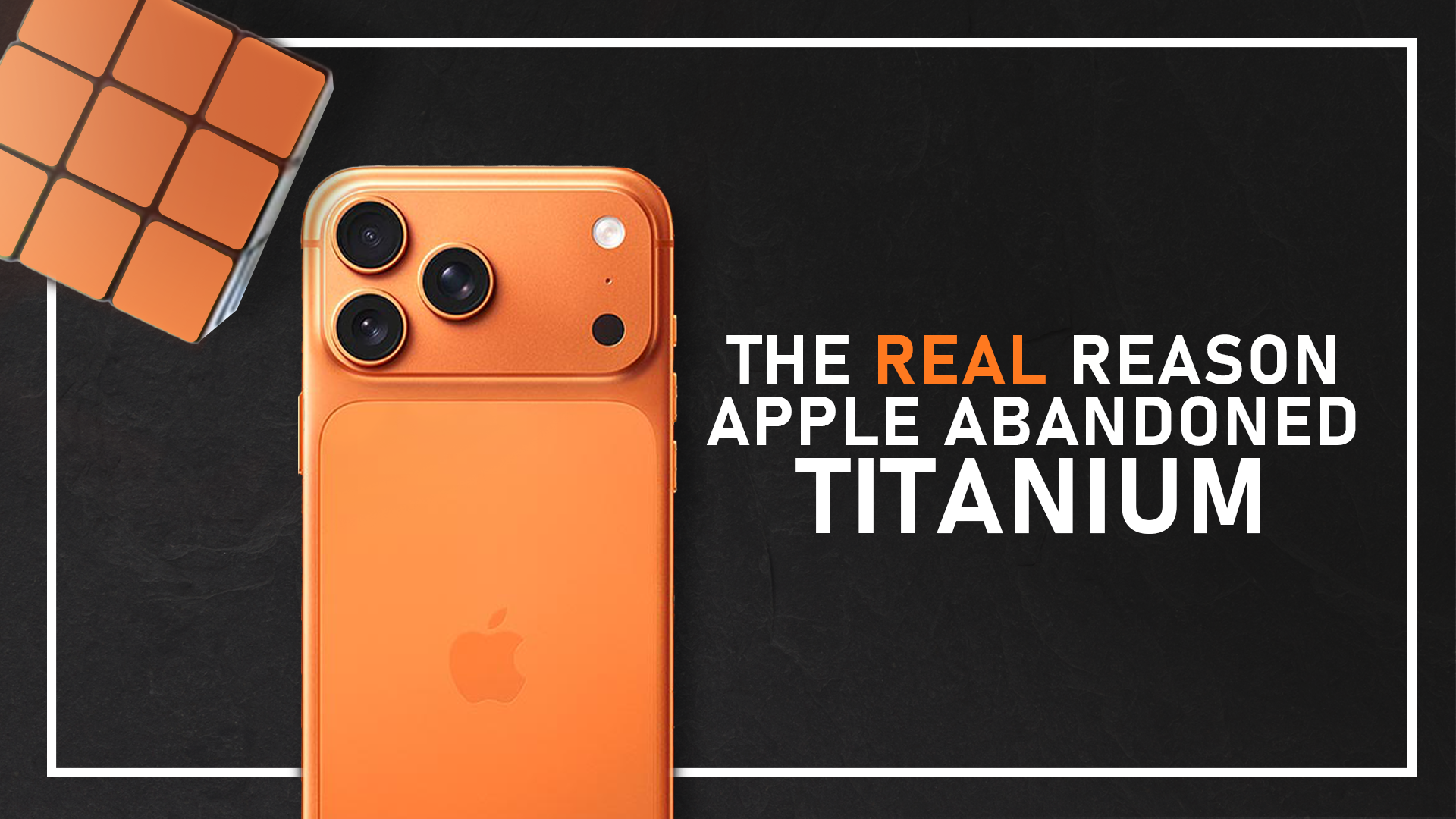
When Apple unveiled the iPhone 17 lineup, the spotlight wasn’t just on new features like brighter displays or upgraded cameras. Instead, much of the conversation has centered on one surprising shift: Apple ditched titanium and went back to aluminium. At first glance, many online critics accused Apple of cheaping out. But the real story behind this decision is far more complicated.

The History of iPhone Materials
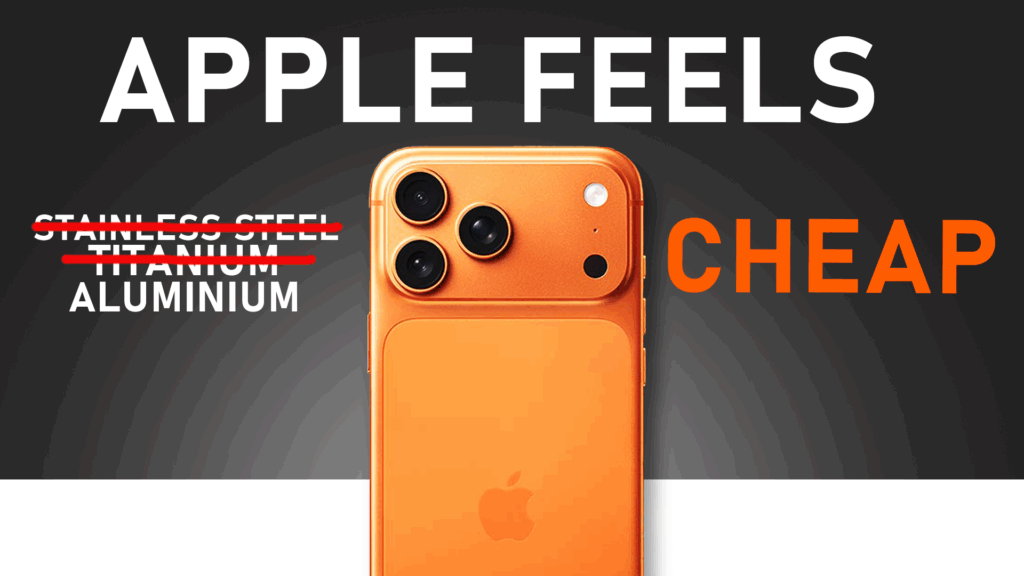
From the early days of chrome-plated edges and plastic backs, aluminium has always been Apple’s go-to for balancing weight, durability, and style. The iPhone X introduced stainless steel to the mix, while the iPhone 15 Pro brought titanium as the headline upgrade. Titanium was marketed as lighter yet stronger than steel — a premium material for Apple’s premium devices.
So why drop it after just two generations?
Titanium’s Hidden Problems
Titanium is strong, but that strength comes at a cost:
- Manufacturing complexity: machining titanium requires expensive equipment and wears out tools quickly.
- Poor heat dissipation: the iPhone 16 Pro Max faced overheating issues because titanium is 10x worse than aluminium at conducting heat away from components.
- Limited colors: titanium’s natural properties restrict color options, unlike aluminium’s versatility.
- Environmental impact: titanium refinement is energy-hungry and 67% worse for the planet compared to aluminium.
All of this combined made titanium an impractical long-term choice.
Why Aluminium Makes Sense for iPhone 17
By switching back to aluminium, Apple addresses multiple concerns:
- Better thermal performance — essential for modern chips and 4K video recording.
- Expanded design options — including the new color finishes unique to the iPhone 17 range.
- Environmental benefits — aluminium is less harmful to produce and easier to recycle.
- Structural balance — light, flexible, and more forgiving than titanium or stainless steel.
It’s not the most premium-sounding material, but it’s the one that works best for Apple’s design goals in 2025.
Titanium Isn’t Gone Entirely
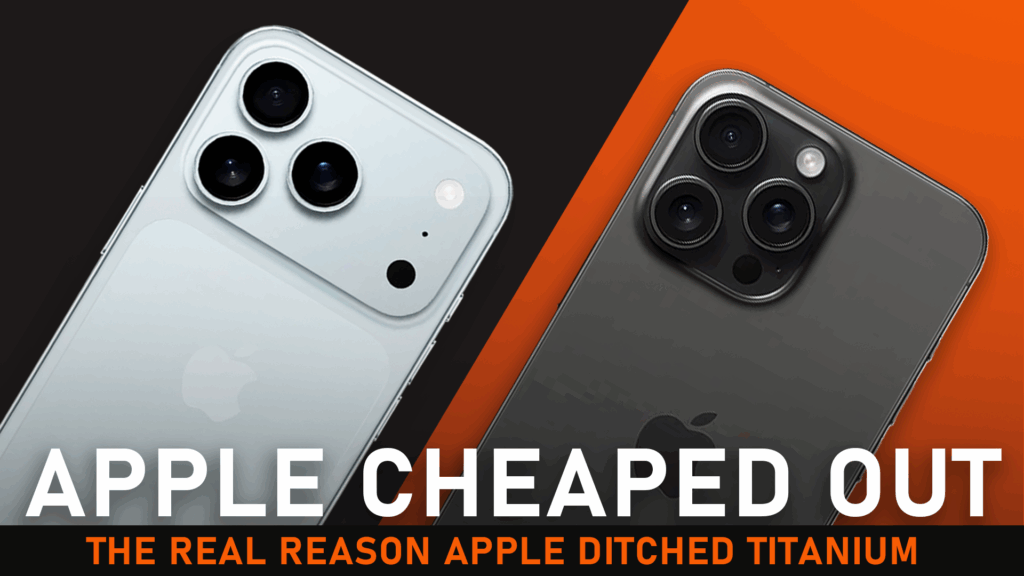
Interestingly, Apple didn’t abandon titanium completely. The iPhone 17 Air, Apple’s thinnest iPhone ever at just 5.6mm, still relies on a titanium frame. Aluminium simply wouldn’t provide enough structural integrity for a device this slim and fragile. To Apple’s credit, the frame incorporates 80% recycled titanium, signaling they’re at least pushing sustainability forward while maintaining strength. This move highlights Apple’s balancing act — using premium materials where absolutely necessary, while scaling back elsewhere to improve efficiency, costs, and environmental impact. It’s a compromise that feels deliberate rather than careless, showing the company is still engineering-first in its approach.
Final Thoughts
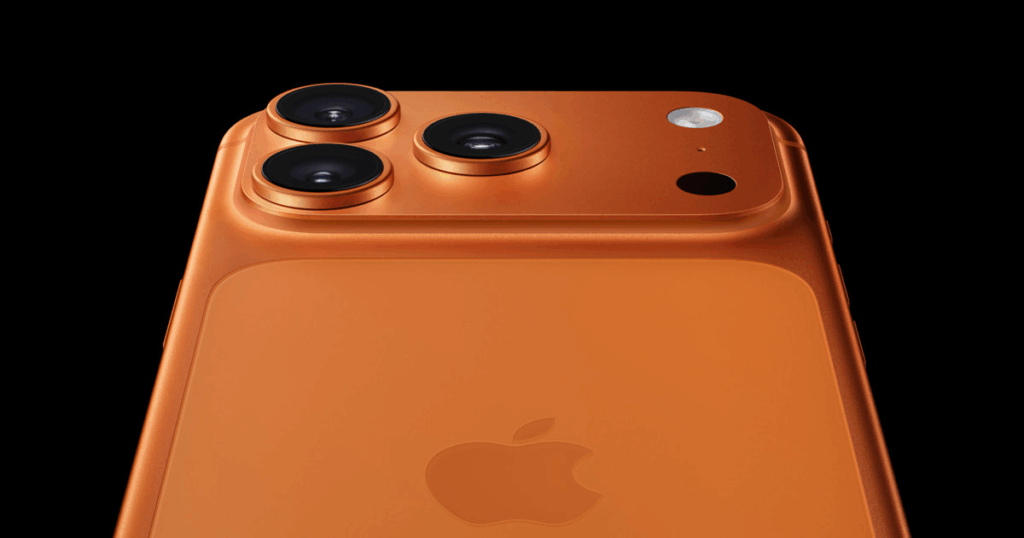
So, is Apple cheaping out? Maybe a little — aluminium is less costly to work with. But it’s also the smarter engineering choice when you factor in heat management, durability, and environmental concerns. Aluminium dissipates heat more efficiently, which means better thermal performance during heavy use like gaming or video recording. It’s also lighter, making the phone easier to hold for longer periods. Unless you’re planning to throw your phone around without a case, aluminium is more than enough for everyday durability.
The big takeaway: Apple didn’t step backwards, they recalibrated. The iPhone 17 might not feel as “premium” in hand as titanium, but it will likely perform better where it counts. And when you add in sustainability — aluminium is easier to recycle and less energy-intensive to produce — the decision starts looking less like cost-cutting and more like long-term strategy. Apple seems to be prioritizing real-world usability and eco-consciousness over raw luxury, which could set the tone for future devices.
What do you think? Was the move away from titanium the right call, or do you feel Apple downgraded the iPhone 17? If so take a look at the - day one, review we did on the iPhone 17 air.
— Stefan | WeDoTech
“We spend the money, sometimes waste it. So you don’t have to.”