
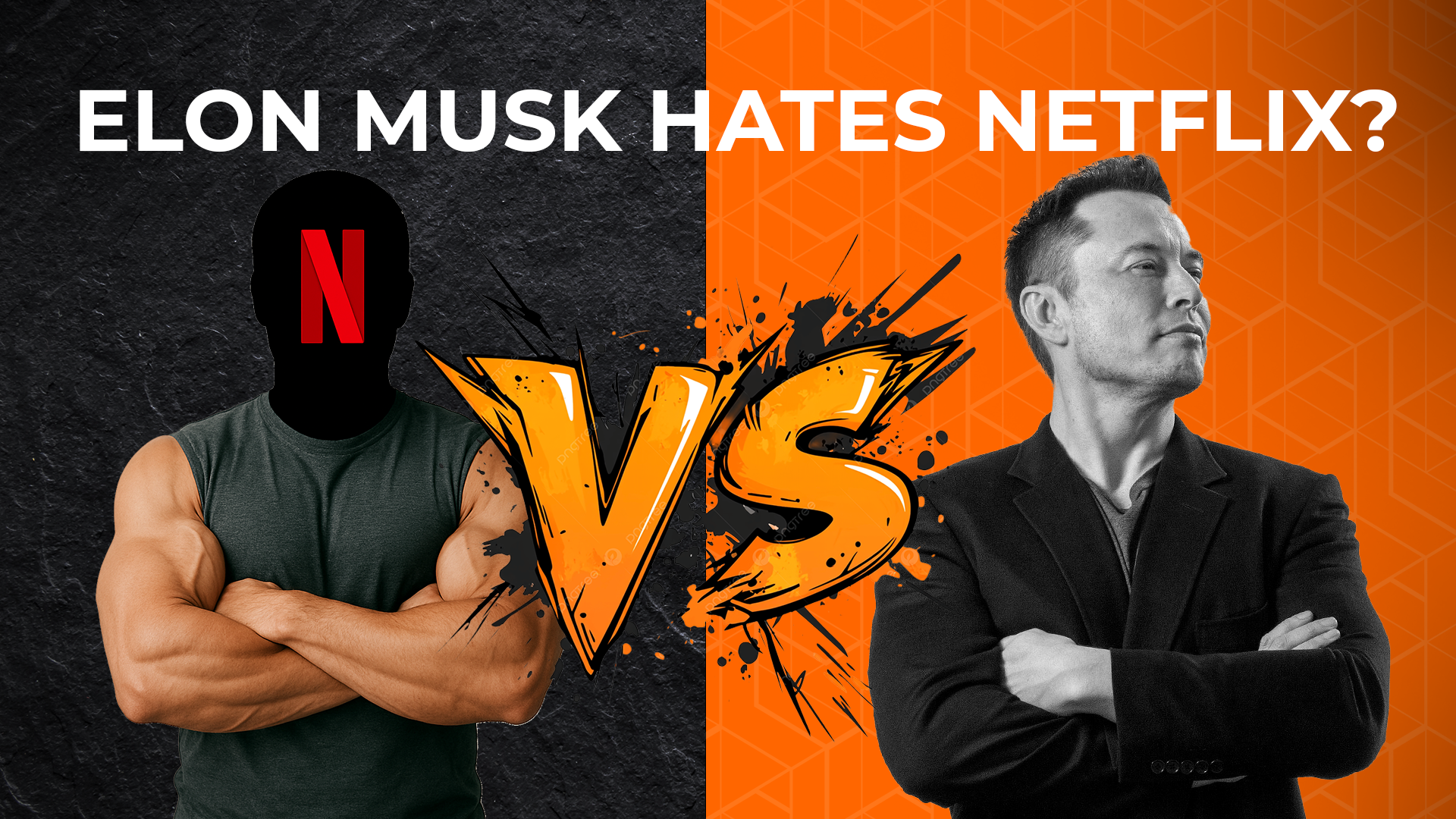

Elon Musk Netflix Controversy Sparks Debate
By Stefan @ WeDoTech
The Elon Musk Netflix controversy has set social media ablaze once again. The Tesla and SpaceX CEO took to X (formerly Twitter) to call on his followers to unsubscribe from Netflix, claiming that the platform promotes a so-called "woke agenda."
The clash between Musk and Netflix has quickly become one of the most talked-about pop culture moments this week, blurring the lines between free speech, personal belief, and online influence.

What Happened
In a recent post on X, Elon Musk urged users to cancel their Netflix subscriptions, accusing the streaming giant of pushing what he called a “transgender woke agenda.” His comments came after watching a show that he believed fit this description—though interestingly, reports show the series in question was actually discontinued back in 2022.
The timing of Musk’s remarks raised eyebrows, as it coincides with his complicated public history regarding gender identity, including his estranged relationship with one of his children who is transgender. Within hours, Musk’s post had sparked intense debates, drawing millions of views and comments across social platforms.
Netflix, on the other hand, has remained notably silent, declining to issue any official response so far. Insiders, however, report that the company has no plans to adjust its content strategy, emphasizing its support for diverse storytelling and inclusive representation.

Key Features
The Elon Musk Netflix controversy revolves around several key factors:
- Public Influence: Musk’s reach on X is massive, with over 190 million followers. His comments can quickly mobilize online movements, whether about crypto, cars, or culture.
- Cultural Divide: The incident taps into a broader conversation about inclusivity and representation in media.
- Brand Positioning: Netflix’s track record of supporting diverse creators has earned both praise and criticism, depending on audience demographics.
- Musk’s Persona: Known for his unpredictable statements, Musk continues to blur the boundaries between his business empire and personal opinions.
Criticism
Critics of Musk argue that the Elon Musk Netflix controversy highlights his growing tendency to weaponize social media influence for personal beliefs. Many users pointed out that his statement lacked context—especially given the show he criticized had been canceled years earlier. Others accused Musk of hypocrisy, considering his companies’ ongoing diversity initiatives.
Conversely, Musk’s supporters applauded his willingness to “speak out” against what they perceive as excessive political correctness in entertainment. They argue that platforms like Netflix should focus more on storytelling than social messaging.
Still, the biggest critique stems from the potential real-world impact of Musk’s statements. Netflix may not feel the economic sting of a short-lived boycott, but the polarization it fuels across audiences is undeniable.

Competitor Comparison
In comparison to other streaming platforms, Netflix has long been at the forefront of inclusive content, hosting shows and films that celebrate diversity. Competitors like Amazon Prime Video and Disney+ have taken similar routes, though often with a more cautious approach.
Meanwhile, Musk’s companies—Tesla, SpaceX, and X—operate in entirely different sectors, yet his online persona has intertwined them with his social views. This is where the tension lies: unlike CEOs such as Tim Cook or Satya Nadella, Musk’s personal opinions often overshadow his business accomplishments.
Final Thoughts
The Elon Musk Netflix controversy underscores a growing trend: the merging of celebrity influence, technology, and cultural politics. Whether or not Musk’s comments will have a lasting impact on Netflix remains to be seen, but one thing is clear—his words continue to shape global discourse far beyond electric cars or space exploration.
As for Netflix, the company seems poised to stand by its creative freedom, betting that authenticity and inclusivity will outlast any temporary backlash. In the end, the battle between Elon Musk and Netflix isn’t just about streaming—it’s about who gets to define the culture we consume.
This isn't the first controversy that we've covered on Elon Musk, you can read more about the recent tesla lawsuits here.