


Razer's Project AVA: CES 2026’s Strangest Desk Upgrade
By Stefan @ WeDoTech
So… Why Does This Exist?
Razer AI is no longer just a buzzword slapped onto keyboards and headsets. At CES 2026, Razer introduced something far more personal and far more unsettling, Project AVA. From the moment it was revealed, reactions ranged from curiosity to outright confusion. This isn’t software running quietly in the background. This is a physical, desk‑mounted AI anime character designed to look at you, talk to you, and actively participate in your daily routine.
The Project AVA "AI Companion" feels like one of those products that makes you pause and ask whether we’re watching the future arrive… or watching a company overshoot the landing. Either way, it’s one of the most talked‑about Razer announcements in years.
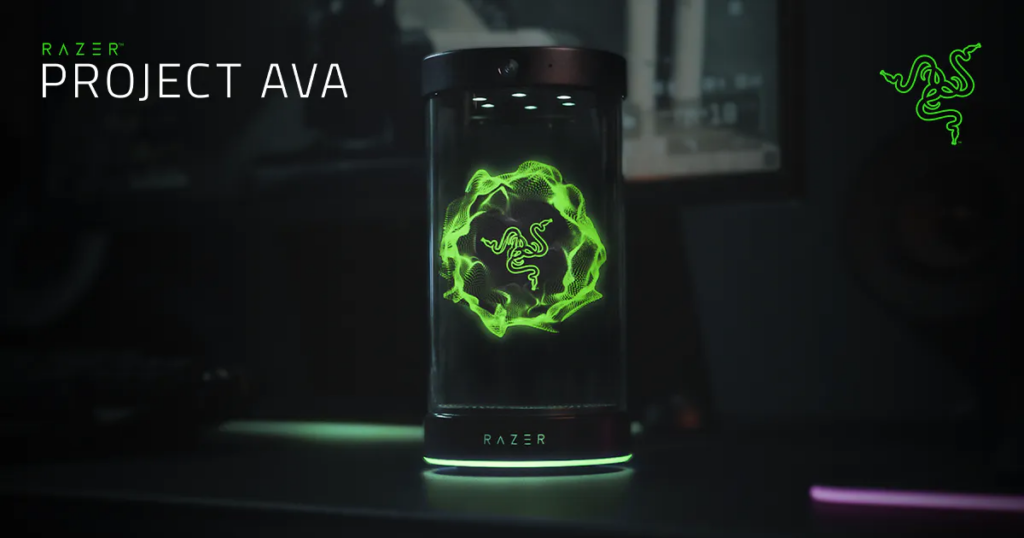
What Razer Actually Showed at CES 2026
At CES 2026, Razer positioned Project AVA as an evolution of an AI gaming coach concept. Originally, the idea was fairly grounded: an AI assistant that could analyze gameplay in real time, help players solve puzzles, and identify gaps in an opponent’s strategy mid‑match. Think of it as a smarter, more interactive version of performance overlays and post‑match analysis tools.
But somewhere along the way, Project AVA became much more than that.
The device now features full AI integration, voice interaction, and even a built‑in camera. According to Razer, that camera gives the AI contextual awareness of your surroundings, allowing it to understand what’s happening beyond your monitor. This is where the product starts to blur the line between gaming accessory and lifestyle companion, which to most is a privacy concern.
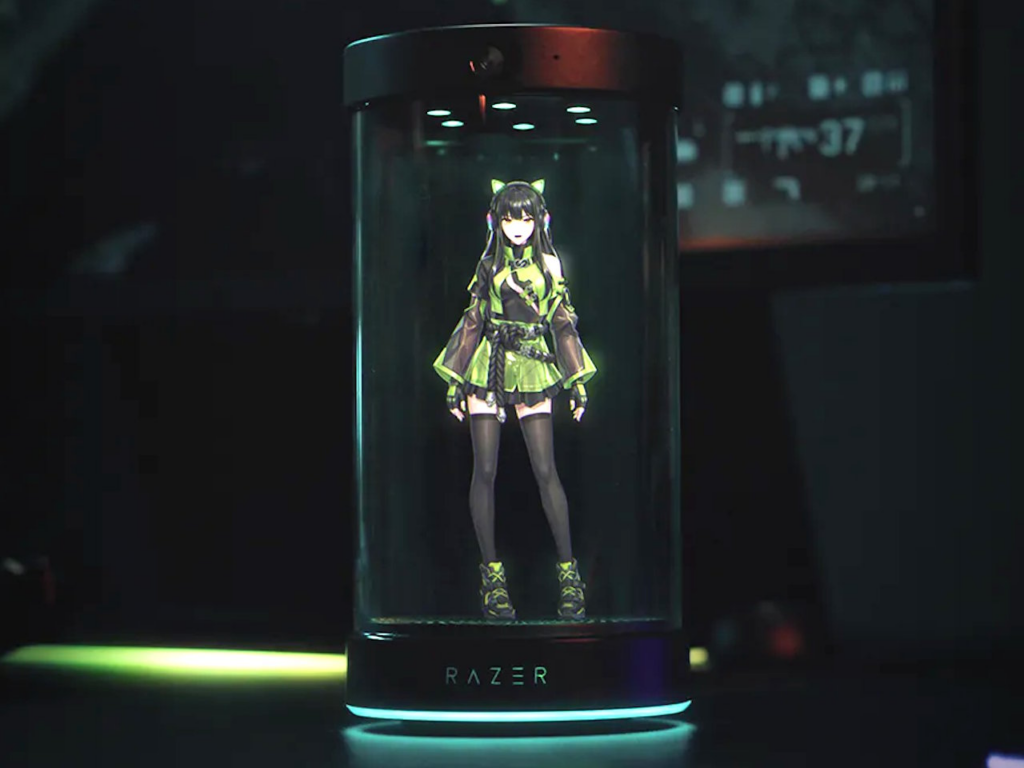
What Project AVA Can Do
Project AVA is designed to be active, responsive, and emotionally aware, at least on paper. Its feature list goes well beyond gaming performance metrics.
Key capabilities include:
- Real‑time gameplay analysis and coaching
- Puzzle solving assistance and strategy suggestions
- Contextual awareness using an onboard camera
- Verbal encouragement during matches
- Emotional feedback when you lose rank‑up games
- Productivity assistance for non‑gaming tasks
Razer also highlighted more unconventional use cases. The AI Companion can reportedly help users choose outfits, track personal hygiene habits, and assist with general daily organization. That’s a significant shift away from its original gaming‑focused purpose.
Visually, Razer is launching Project AVA in multiple character variants, with plans to expand the lineup over time. Each one lives inside a small desk enclosure, a design choice that has already sparked plenty of memes and uncomfortable comparisons online.
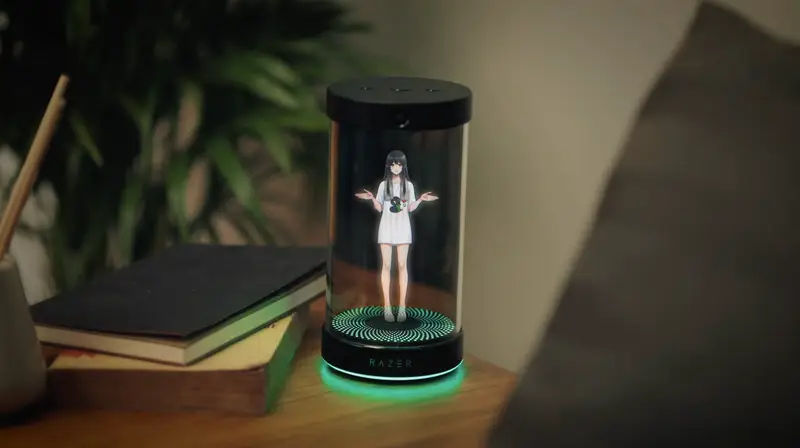
Where Things Start to Get Uncomfortable
This is where criticism of Project AVA becomes unavoidable.
The biggest concern isn’t whether the technology works, it’s whether people actually want this level of presence from an AI device. A camera‑equipped companion that monitors your environment, comments on your habits, and reacts emotionally to your performance crosses into territory many users aren’t ready for.
Key criticisms include:
- Privacy concerns around constant environmental awareness
- The blurred boundary between assistance and surveillance
- The anime‑styled character design limiting mainstream appeal
- Questionable necessity for non‑gaming features
There’s also the issue of scope creep. What began as an AI gaming coach has evolved into something closer to a digital roommate. Helping you improve at a competitive game makes sense. Commenting on your hygiene habits? That’s where Razer AI Companion starts to feel more experimental than practical.
How It Compares to Other AI Assistants
Compared to traditional AI assistants like Google Home, Alexa, or even PC‑based copilots, the Razer AI Companion occupies a very different space.
- Google Home / Alexa: Passive, utility‑focused, voice‑first
- Windows Copilot: Productivity‑driven, screen‑based
- AI Gaming Overlays: Performance‑focused, invisible
- Project AVA: Physical, visual, emotional, and persistent
Razer’s approach is far more immersive, and far riskier. While competitors focus on staying out of the way, Project AVA demands attention. That could be its greatest strength or its biggest flaw, depending on how users respond.
Final Thoughts: Ahead of Its Time or Just Too Weird?
Project AVA is undeniably fascinating. It’s ambitious, experimental, and unapologetically strange. Razer deserves credit for pushing beyond safe iterations and testing what AI hardware can become when personality and presence are part of the design.
That said, it’s hard to ignore how niche this product feels. The combination of anime aesthetics, constant interaction, and lifestyle monitoring limits its appeal to a very specific audience. For some, it will feel like the future of personalized AI. For others, it will feel intrusive, awkward, or simply unnecessary.
What’s clear is that Project AVA isn’t just another smart device. It’s a statement about where Razer thinks human‑AI interaction is heading. Whether that future excites or unsettles you probably says more about your relationship with technology than the product itself.
CES 2026 had no shortage of bold ideas, but few are as memorable, or as divisive, as Razer’s AI desk companion.
If you found this out of the ordinary, check out our recent blog on Gigabytes RTX 5090 Infinity, an interesting take on a retro video card.