
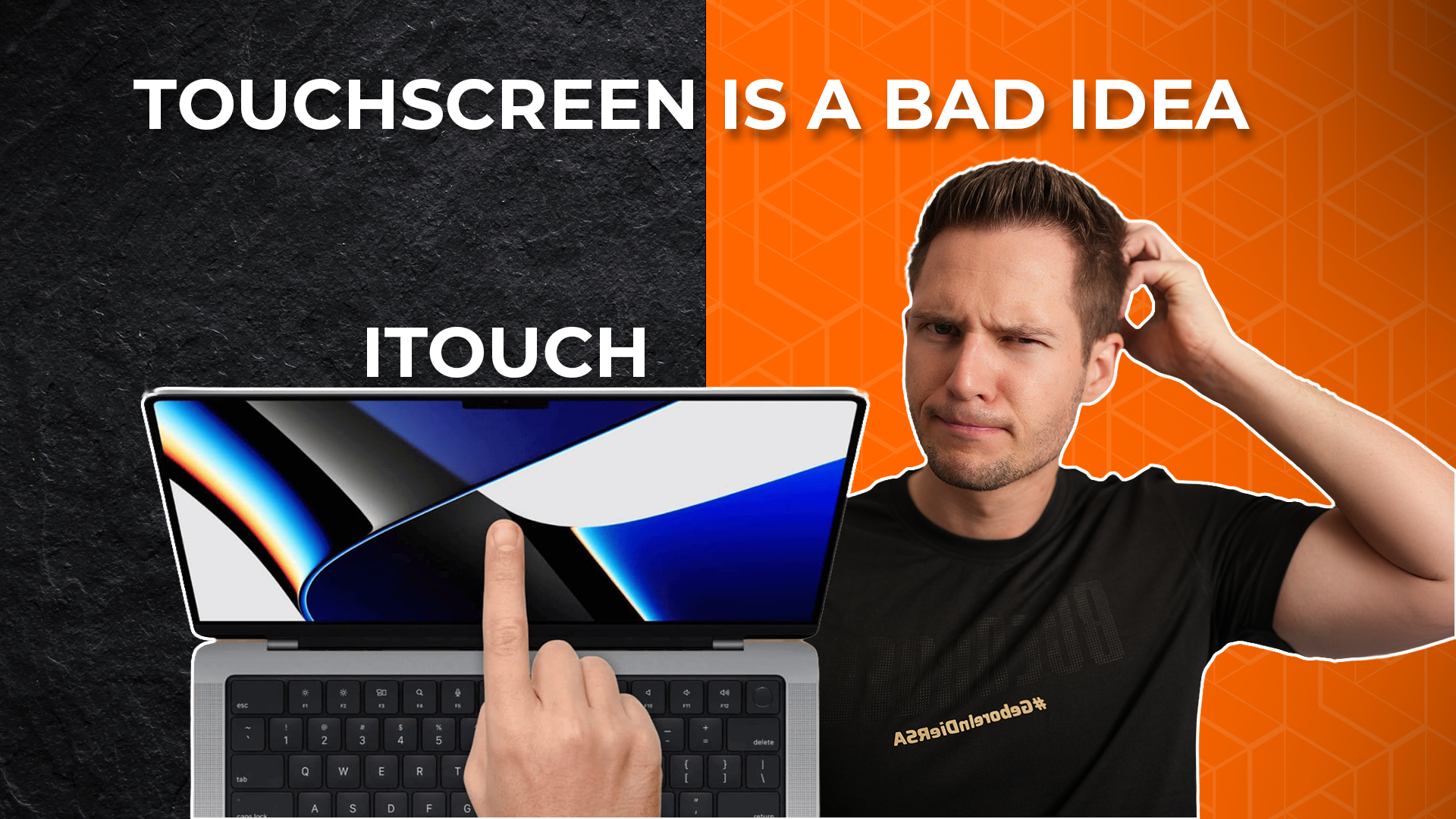

MacBook Touchscreen Is a Bad Idea in 2026
By Stefan @ WeDoTech
This Should Not Be Happening
MacBook Touchscreen rumors are starting to gain traction again, and if they turn out to be true, this could be one of the most unnecessary shifts Apple has made in years.
For a company known for being deliberate with design decisions, this feels like a move driven more by market pressure than actual user need. The MacBook has always been about balance. Clean input, strong trackpad control, and a workflow that does not rely on touching the display. Aside from the shock the MacBook Neo brought too the industry, Apple does not usually move to far from what works. Especially if it works well.
The moment you introduce a touchscreen MacBook, that balance starts to fall apart.
Where This Idea Even Came From
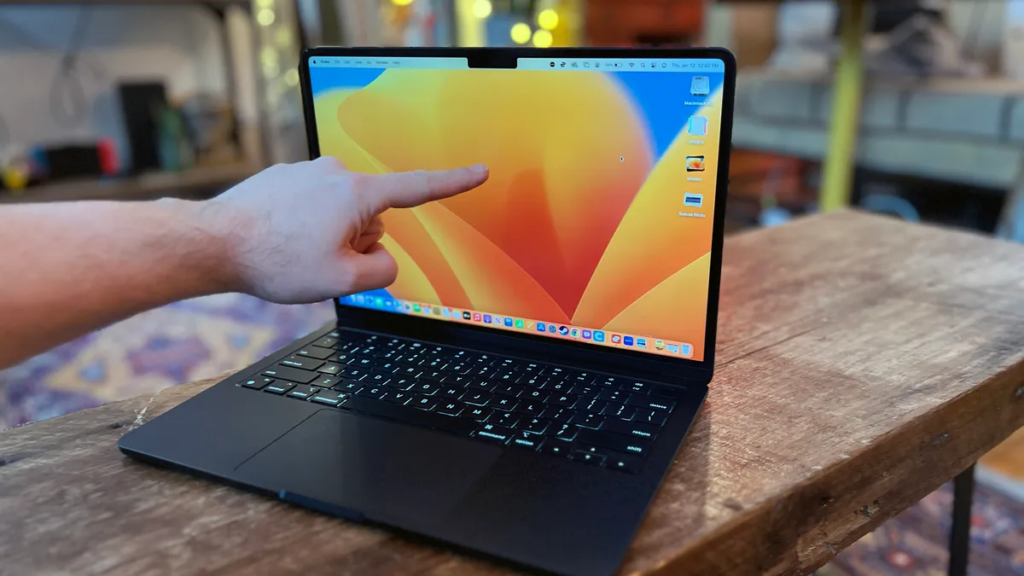
The push for MacBook Touchscreen support is not new. Competitors in the Windows space have been pushing touch enabled laptops for years. On paper, it sounds like a natural evolution. More ways to interact, more flexibility, more features.
But in practice, most touchscreen laptops end up being used the same way. With a keyboard and trackpad.
Touch input on a laptop is rarely the primary method of interaction. It is a secondary feature that sounds good in marketing but rarely changes real world usage in a meaningful way.
Apple has avoided this for a long time, and for good reason.
What You Actually Get From It
This is where the MacBook Touchscreen argument starts to fall apart.
Yes, touch input adds another way to interact with the system. You can tap, scroll, and zoom directly on the display. For certain workflows, especially creative ones, that could sound appealing.
But Apple already separates those use cases. That is what the iPad is for.
The MacBook is designed around precision input through the trackpad and keyboard. And to be fair, Apple arguably has the best trackpad in the laptop space. It is responsive, accurate, and already replaces most of what a touchscreen would offer.
Adding touch does not improve that experience. It complicates it.
Here’s Where It Breaks Down
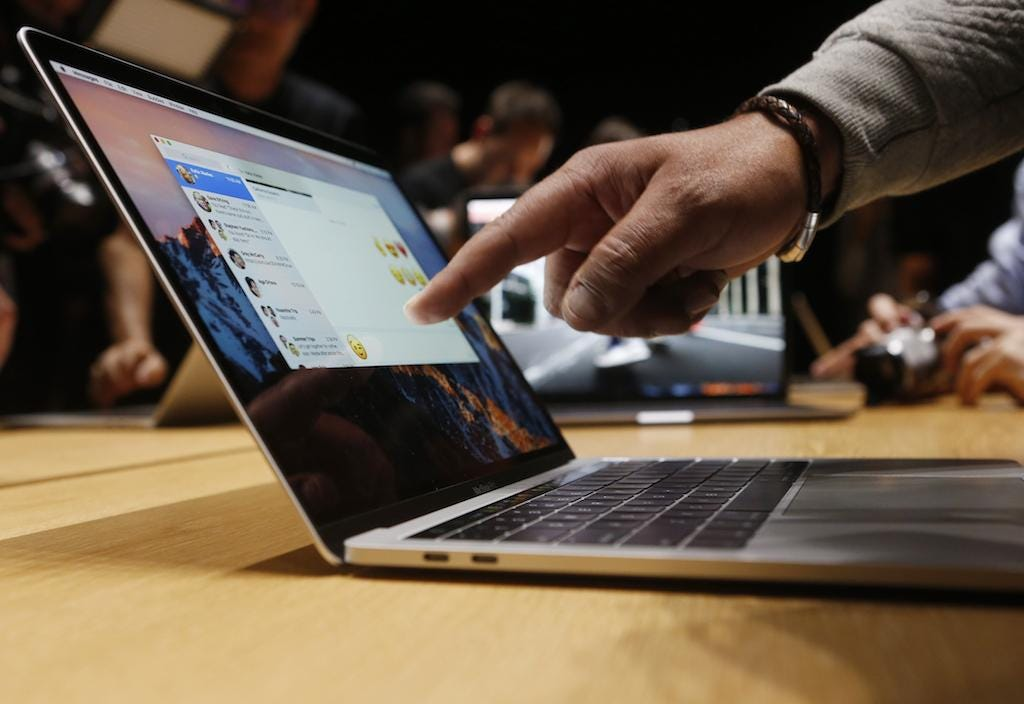
The biggest issue with MacBook Touchscreen is ergonomics.
Reaching up to interact with a vertical screen is not natural over long periods. It is fine for short interactions, but over time it becomes uncomfortable. This is not a new problem. It has been discussed for years, and it still applies today.
Then there is the issue of fingerprints. A touchscreen laptop display quickly turns into a smudge magnet. What starts as a clean, premium looking screen ends up covered in marks after regular use.
There is also the question of consistency. macOS is not built around touch input in the same way iPadOS is. Without a full interface redesign, the experience risks feeling like an afterthought rather than a core feature.
How It Compares to Apple’s Current Approach
Apple’s current product split actually makes a lot of sense.
MacBooks handle productivity with precision input. iPads handle touch based interaction and flexibility. If you want both, Apple already offers solutions like pairing an iPad with a keyboard or using features that bridge the two devices.
This separation keeps each product focused and avoids compromise.
A MacBook Touchscreen blurs that line. Instead of two devices doing their jobs well, you end up with one device trying to do both, but not necessarily better.
What People Actually Want Instead
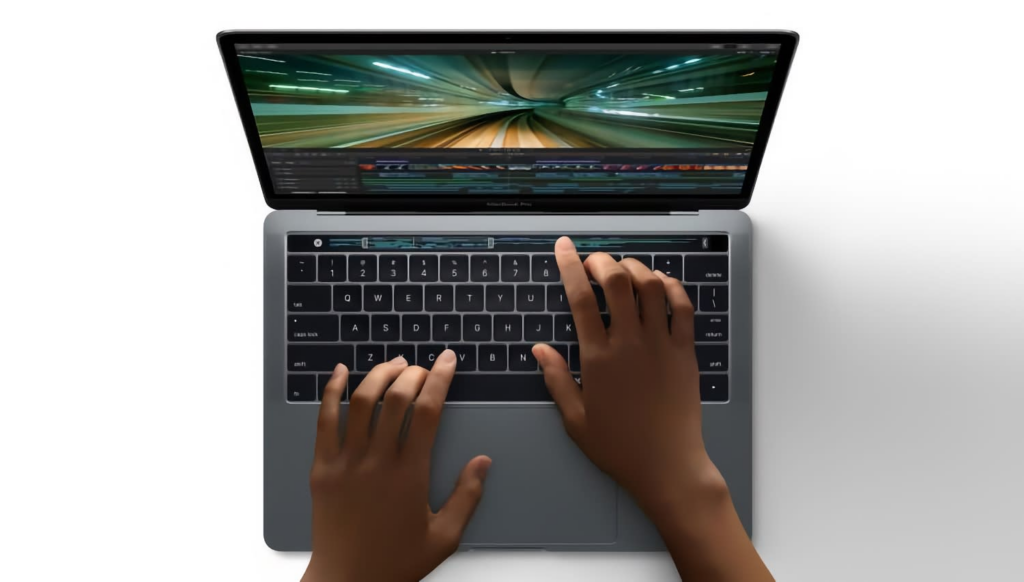
If you ask most users what they would improve on a MacBook, touchscreen support is rarely at the top of the list.
What people consistently ask for is more practical.
An OLED display for better contrast and color. The return of useful ports like an SD card reader. More flexibility with storage instead of locking users into fixed configurations.
These are changes that improve real world usage without introducing new problems.
That is the difference. One is a meaningful upgrade. The other is a feature that sounds good but adds little value.
This Feels Like the Wrong Priority
MacBook Touchscreen support is not inherently bad. There are scenarios where it can be useful. But for the majority of users, it is unnecessary.
Apple built its reputation on saying no to features that do not improve the experience. If this rumor turns out to be true, it would feel like a rare moment where the company is chasing trends instead of setting them. And that is why it stands out.
Because right now, the MacBook does not need a touchscreen. It needs refinement, not reinvention.
If you enjoyed reading this, take a look at why we believe Average Devices are taking over the tech market.