
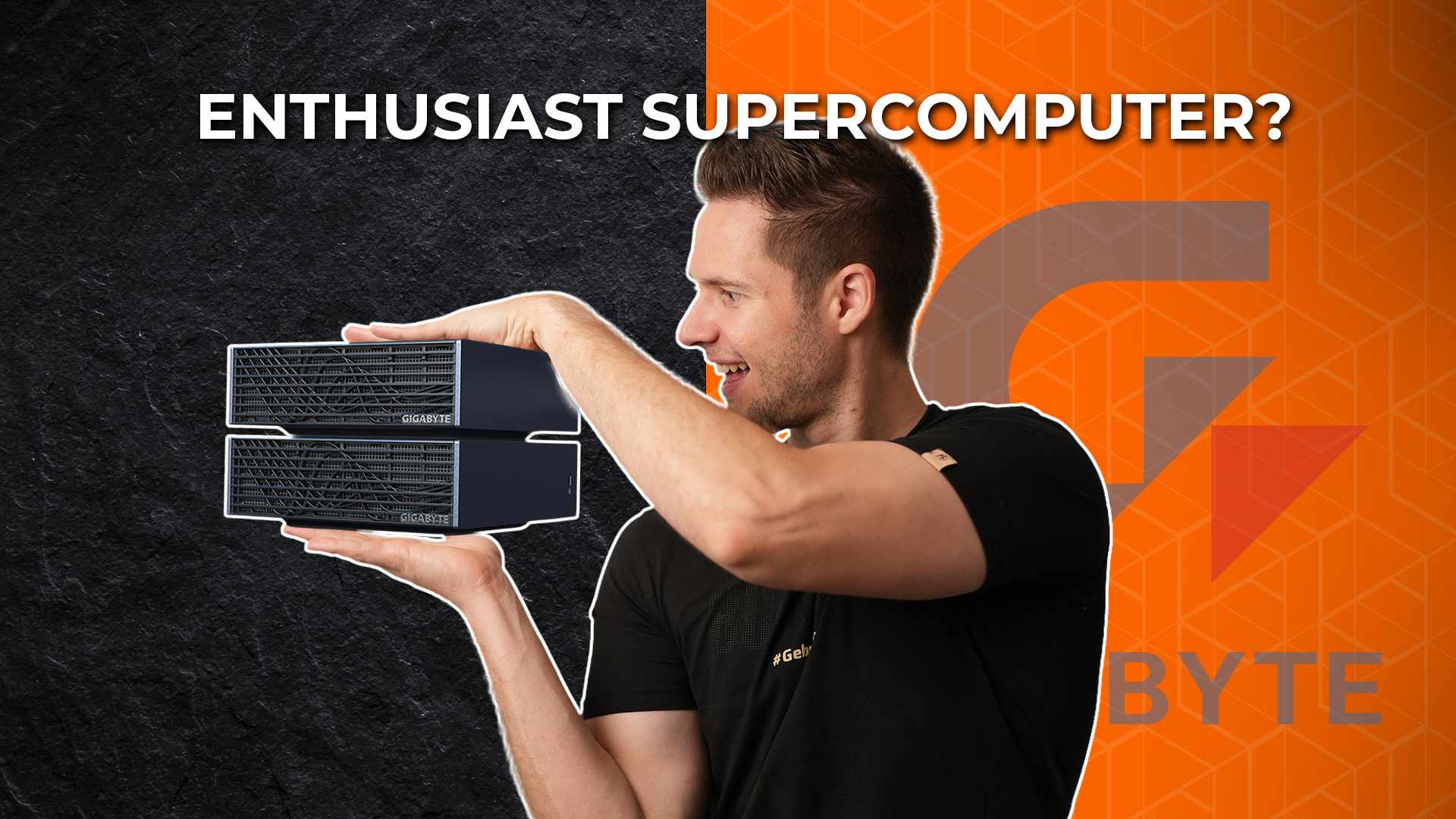

Gigabyte AI TOP ATOM Review
By Stefan @ WeDoTech
So… What Even Is This Thing?
AI supercomputer. That’s the keyword, and it’s exactly what Gigabyte is aiming for with the Gigabyte AI TOP ATOM. On paper, this is one of those machines that sounds like it belongs in a research lab rather than on your desk. It’s built specifically to train and run AI models locally, handle complex simulations, and basically act like a miniature supercomputer.
And yet… after actually looking into it, there’s a weird disconnect between what this AI PC promises and how it feels in reality.
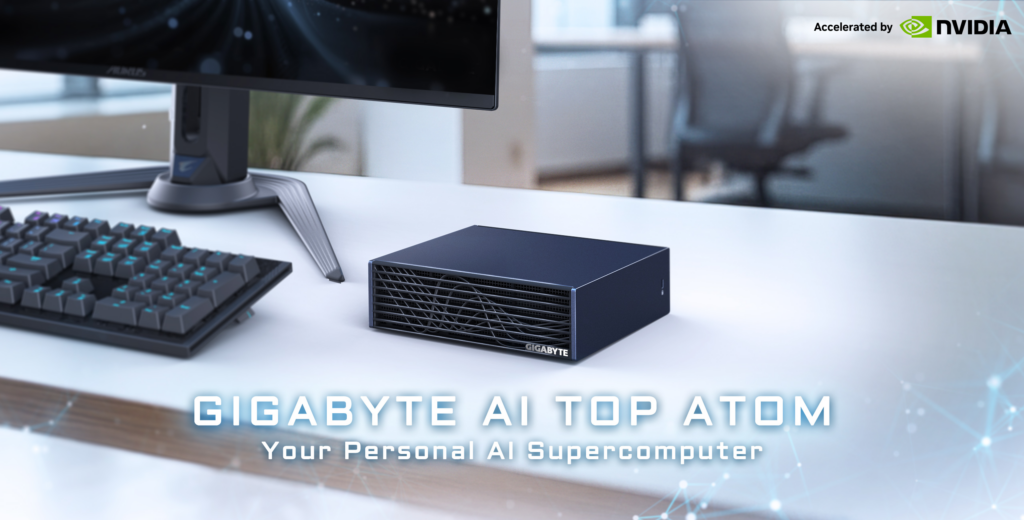
The Big Idea Behind It
So here’s the pitch: instead of relying on cloud-based AI tools, this AI PC gives you the ability to run everything locally. That includes training models, running inference, and even handling specialized workloads like single-cell RNA sequencing and other scientific simulations.
Gigabyte’s approach here is clearly inspired by the rise of AI workstations and compact supercomputers. The idea is simple, bring serious AI compute power into a smaller, more accessible form factor.
The Gigabyte AI TOP Atom is designed to sit somewhere between a traditional desktop and a full enterprise AI system. It’s not meant for casual users, and it’s definitely not trying to replace your gaming PC. This is targeted at developers, researchers, and businesses experimenting with local AI workflows.
Where the Power Comes From
Let’s not undersell it, this small AI Supercomputer is genuinely powerful.
You’re looking at hardware that’s optimized for parallel workloads, high-throughput processing, and AI acceleration. That means:
- Massive compute capability for model training and or creating
- Support for advanced AI frameworks
- High-speed memory and storage configurations
- Efficient handling of data-heavy workloads
In real-world terms, the AI TOP Atom can:
- Run large language models locally
- Perform complex simulations
- Handle data analysis tasks that would normally require cloud compute
That’s impressive. No argument there.
But here’s the catch, raw power isn’t the same as usability.
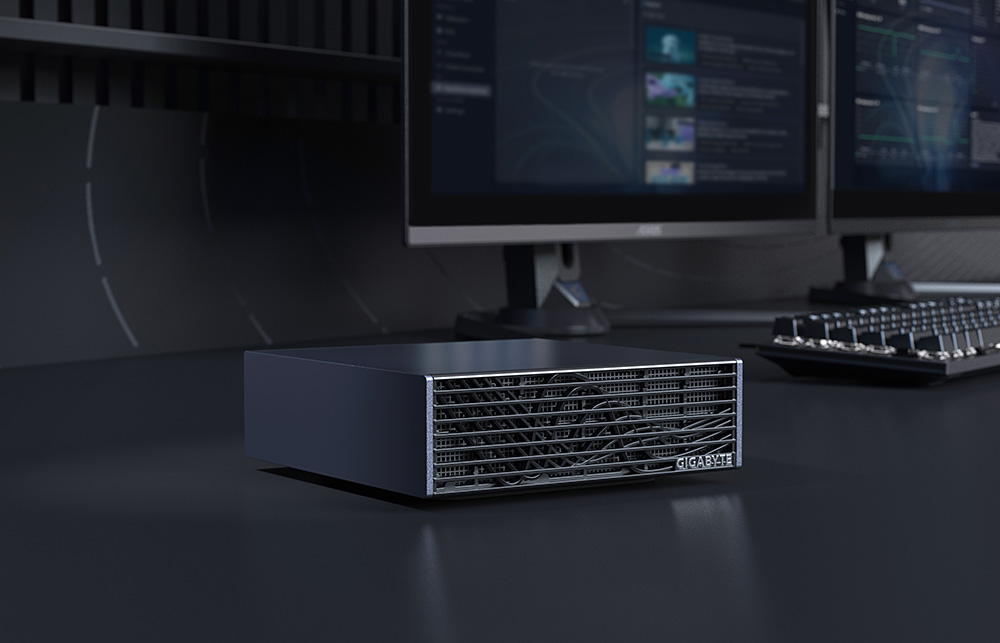
Where It Starts Falling Apart
This is where things get a bit… disappointing. The biggest issue with this AI PC isn’t performance, it’s practicality.
For most users (even tech enthusiasts), this kind of system is overkill. And not just slightly, massively overkill. Unless you’re actively working in AI development, creating your own AI model or scientific research, you’re not going to tap into even a fraction of what this machine can do.
Then there’s the ecosystem problem. Running AI locally sounds great until you realize how much setup, optimization, and technical knowledge is required. This isn’t plug-and-play, although it is fairly user friendly. It’s closer to managing a mini data center.
And finally, there’s the question of relevance. With cloud AI services becoming faster, cheaper, and more scalable, the value of a local AI PC like this feels harder to justify as an enthusiast. Of course with local AI growing thanks to privacy, latency and cost control, it still holds great value.
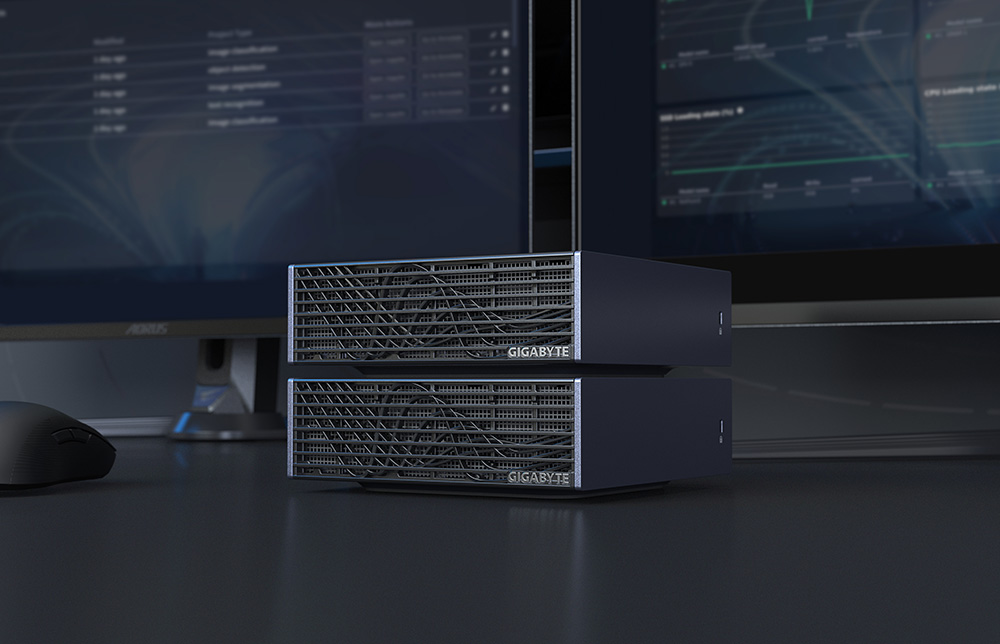
Pricing
At the time of writing, official pricing for the Gigabyte AI TOP ATOM isn’t widely standardized, but systems in this category typically land in the high-end workstation bracket, often well into premium territory priced at about $5000.
Realistically, this AI Supercomputer is expensive. And when you factor in what you actually get versus how many people can truly use it to its full potential, it’s hard to call the pricing “reasonable” for most users.
For businesses or research environments, maybe. For individuals? Not unless you've got deep pockets.
Head-to-Head: AI Supercomputer vs Traditional Workstation
Let’s compare this AI PC to a high-end traditional workstation:
AI Supercomputer (Gigabyte AI TOP ATOM)
- Built for AI-specific workloads
- Optimized for parallel processing
- Handles specialized simulations and model training
- Expensive and niche
Traditional Workstation
- More versatile across workloads
- Better for general productivity and creative work
- Easier to use and maintain
- Often more cost-effective for non-AI tasks
The AI PC wins in raw AI capability, no contest. But the workstation wins in flexibility, accessibility, and overall value.
So Who Is This Actually For?
This is the key question.
The Gigabyte AI TOP Atom isn’t trying to be for everyone. It’s built for a very specific audience:
- AI developers
- Data scientists
- Research institutions
- Businesses working on private AI models
If you fall into one of those categories, this AI Supercomputer could genuinely make sense. Running models locally can offer privacy, speed, and long-term cost benefits.
But if you’re outside that niche, it quickly becomes a solution looking for a problem.

Final Thoughts: Powerful… But Pointless?
Ai Supercomputers is the future, there’s no doubt about that, especially with how much Nvidia has invested into it so naturally local AI processing, hosting and or creation is going to become more important over time.
But the Gigabyte AI TOP ATOM feels like it’s a bit too early… and a bit too niche.
Yes, it’s powerful. Yes, it’s impressive. But it’s also impractical for the vast majority of users.
Right now, this AI Supercomputer sits in an awkward space between innovation and usability. It shows what’s possible, but not necessarily what’s useful, at least not yet.
And that’s why it’s hard not to feel just a little disappointed, that being said, if you enjoyed reading this take a look at how Average tech is winning in 2026.