
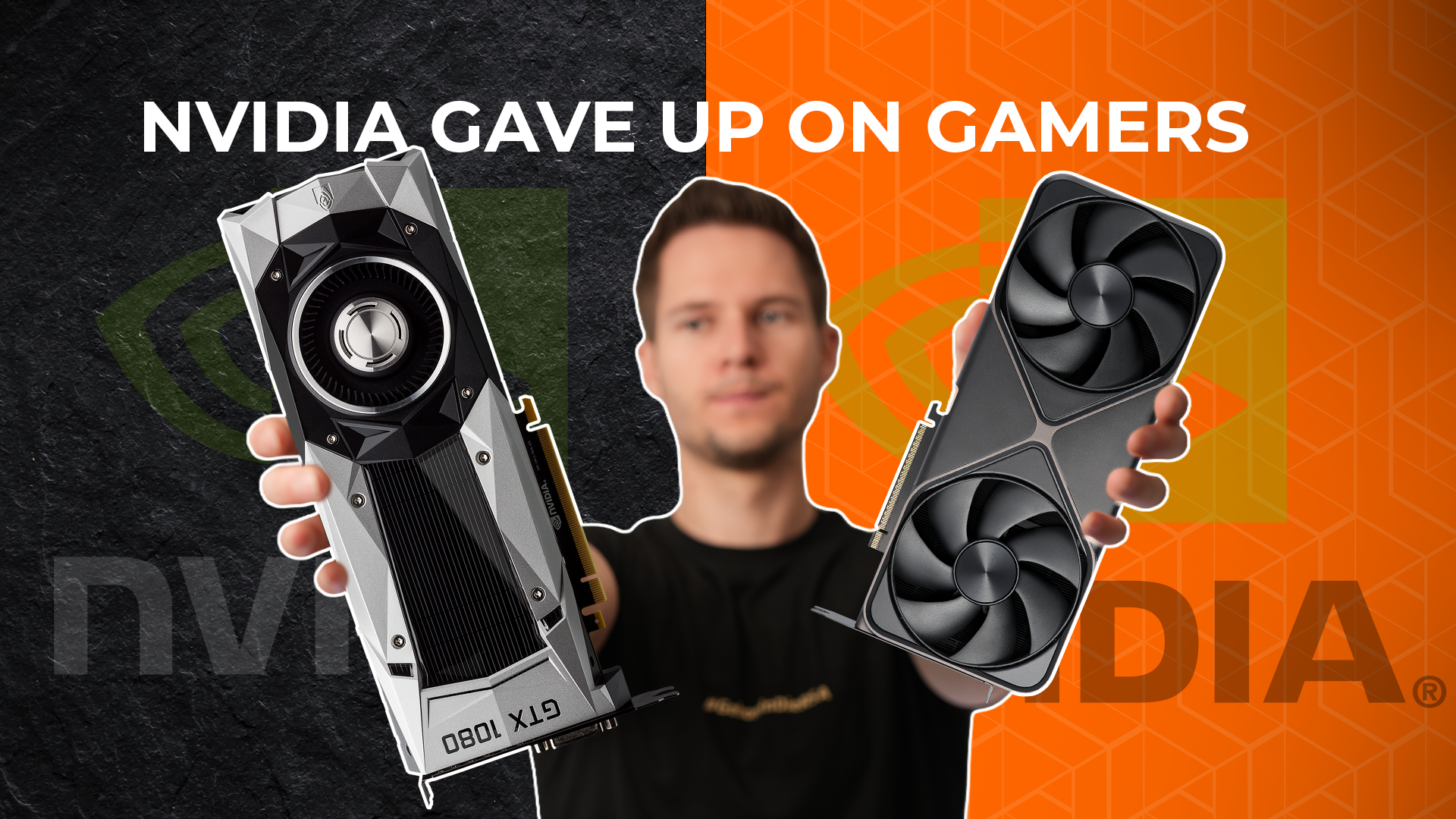

Nvidia Gamers Are Losing in 2026
By Stefan @ WeDoTech
This One’s Been Coming for a While
Nvidia Gamers have been feeling it for a few generations now, even if not everyone wanted to admit it. In 2026, it is becoming harder to ignore the shift. What used to feel like clear, exciting generational upgrades now feels like small steps forward with bigger price tags.
The uncomfortable truth is that Nvidia users are no longer the main priority. That shift did not happen overnight, and it did not start with the latest GPUs. The signs have been there for years. Most people just did not connect the dots at the time.
The Pattern Nobody Paid Attention To
If you go back to the RTX 10 series, things seemed like they were on the right track. If you compared the 10 series to the 20 series, the RTX 1080 is often compared to the RTX 2060 Super or the RTX 2070 in real-world positioning. The jump in performance was more than enough to satisfy gamers and pc users alike.
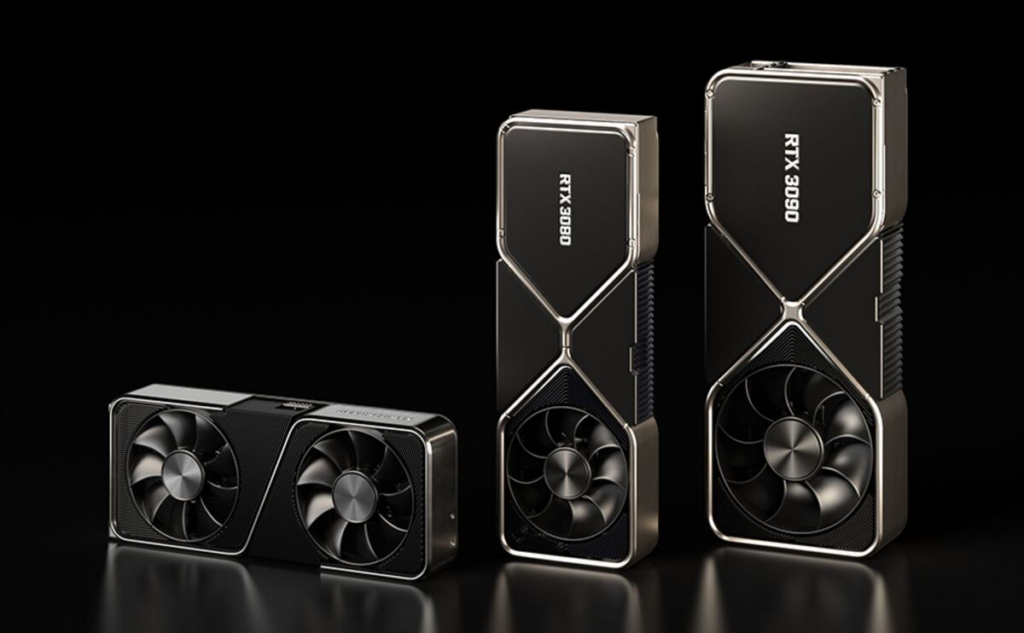
Then came the RTX 30 series, which is where expectations were also met. The jump from 20 series to 30 series was massive. Performance gains were obvious, pricing felt aggressive, and it finally looked like Nvidia Gamers were getting a proper upgrade path again.
But that level of progress did not last.
The Upgrades That Stopped Feeling Like Upgrades
Move from the RTX 30 series to the RTX 40 series, and things slow down. An RTX 3080 lines up very closely with an RTX 4070. That is not terrible, but it is not the kind of leap people were expecting after what the 30 series delivered.
Now fast forward again. If you follow that same pattern, the RTX 4080 lining up with a future RTX 5080 starts to feel predictable rather than exciting. Instead of major generational gains, Nvidia Gamers are seeing incremental improvements that rely more on software features than raw performance jumps.
Frame generation, AI upscaling, and efficiency gains are doing more of the heavy lifting. While those features are impressive, they also shift the conversation away from pure hardware performance.
Where the Focus Really Shifted
The biggest change is not just performance scaling. It is focus.
Nvidia as a company has moved heavily into AI, data centers, and enterprise solutions. These markets are significantly more profitable than consumer gaming hardware. From a business perspective, the shift makes perfect sense.
For Nvidia Gamers, though, it creates a different experience. GPUs are no longer being designed purely with gaming in mind. They are part of a much larger ecosystem where gaming is just one piece of the puzzle.
That is why features like DLSS and AI acceleration are front and center. They are not just gaming tools. They are part of Nvidia’s broader strategy.
Here’s Where It Starts to Frustrate
The frustration for Nvidia Gamers is not that progress has stopped. It is that value has become harder to justify.
When performance gains shrink but prices stay high or increase, it changes how upgrades feel. Buying a new GPU used to feel like a clear step forward. Now it often feels like paying more for marginal improvements unless you specifically benefit from newer features.
There is also a growing reliance on software solutions to close the gap. Technologies like frame generation can boost perceived performance, but they are not the same as raw horsepower.
For many gamers, that distinction matters.
How the Competition Looks Right Now
This is where AMD becomes relevant in the conversation. While not perfect, AMD has positioned itself as the value-focused alternative in several GPU tiers.
Instead of chasing every high-end feature, AMD often competes on price-to-performance. For gamers who care more about raw raster performance than AI-driven enhancements, that can be a compelling option.
That said, Nvidia still leads in features, ecosystem, and software maturity. The comparison is not as simple as one being better than the other. It comes down to what you value more as a buyer.
So Where Does That Leave Gamers
Nvidia Gamers are not completely abandoned, but they are no longer the center of attention. The company is evolving, and gaming is just one part of a much bigger strategy.
If you are building or upgrading in 2026, the approach needs to change. Blindly chasing the newest generation is no longer the smartest move. Looking at value, real-world performance, and actual use case matters more than ever.
The golden era of massive generational leaps might be behind us. That does not mean PC gaming is in a bad place. It just means expectations need to shift.
Because right now, Nvidia Gamers are not being ignored. They are just not first in line anymore.
If you enjoyed reading this check out one of the weirdest graphics cards Gigabyte has ever released.