


Wikigacha Is Weirdly Brilliant in 2026
By Stefan @ WeDoTech
Wikigacha Sounds Fake But It Isn’t
Wikigacha is one of those ideas that sounds like a joke until you realize it actually exists. A gacha style system built around Wikipedia pages, stats, and rankings should not work, and yet here we are.
In a space dominated by aggressive monetization and endless microtransactions, seeing something this strange pop up in 2026 feels almost out of place. It is weird, unexpected, and somehow interesting for all the right reasons.
The real question is not whether it exists. It is why it works as well as it does.

How This Even Became a Thing
Gacha games are nothing new. They rely on randomized rewards, collectible systems, and progression loops that keep players coming back. Most of them are tied to characters, weapons, or cosmetics.
Wikigacha flips that idea completely.
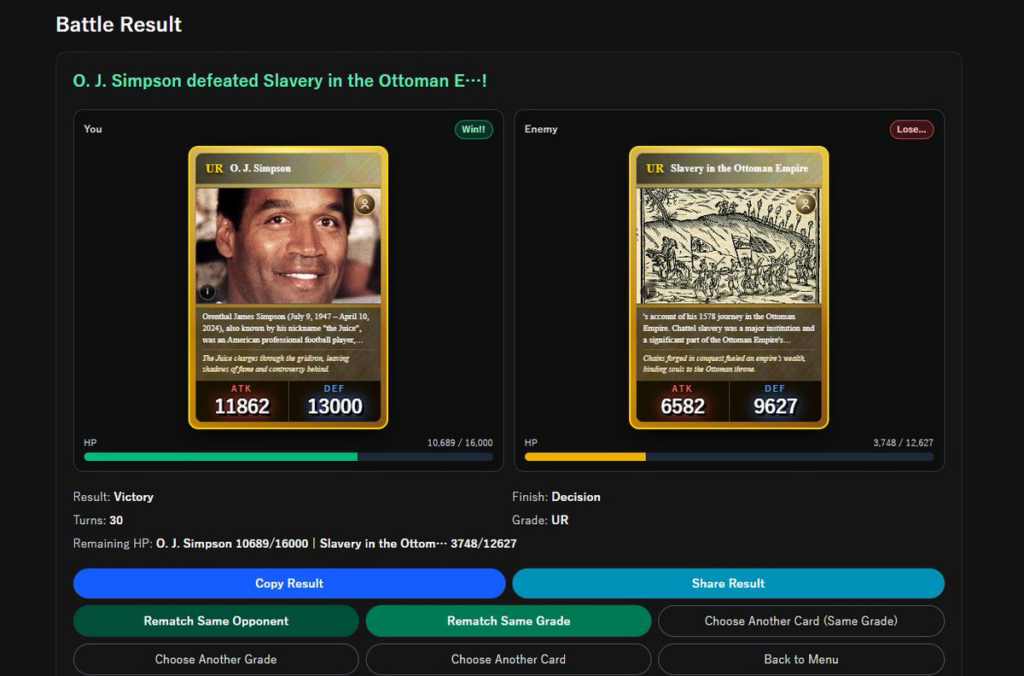
Instead of fictional characters, you are pulling cards based on real Wikipedia pages. Each page has its own stats, rarity, and value tied to things like popularity and relevance.
It turns something purely informational into something interactive. That alone makes it stand out in a market that rarely experiments outside of proven formulas.

What You Actually Do In It
At its core, Wikigacha follows a familiar loop. You open packs, collect cards, and build something that can be used in gameplay.
The twist is in how those cards are used.
Instead of just collecting for the sake of it, you can use your pulls to engage in raid style encounters. Pages with higher stats perform better, giving you a reason to chase stronger or rarer entries.
It is a strange blend of education and gamification. You are not just collecting random characters. You are interacting with real world information in a completely different format.
Why This Is Actually Interesting
The biggest surprise with Wikigacha is that it manages to feel fresh without relying on the usual monetization traps.
In most modern gacha systems, progression is heavily tied to spending. Here, the absence of microtransactions changes the entire experience. You are not being pushed to spend just to keep up. That alone makes it stand out in 2026.
There is also something oddly satisfying about pulling a high rated page. It is not just about rarity. It is about seeing real world topics translated into game mechanics.
It should not work, but it does.
Where It Starts to Get Weird
That said, Wikigacha is not without its issues.
The concept is niche. Very niche. Not everyone is going to care about collecting pages instead of characters.
There is also a question of long term engagement. Without the usual monetization hooks, sustaining player interest becomes more challenging. The novelty carries it early on, but it is unclear how well that holds up over time.
And while the educational angle is interesting, it is still a gacha system at its core. Randomization is still the main driver of progression.

How It Compares to Traditional Gacha Games
Compared to traditional gacha games, Wikigacha feels almost experimental.
Most gacha titles focus on building emotional attachment to characters and pushing players toward spending. This flips that completely. There is no pressure to spend, no premium currency wall, and no constant push toward monetization. Instead, the focus is on curiosity and discovery.
That makes it less competitive but also more approachable. For players tired of aggressive monetization, this could be a refreshing change. For others, it might feel too different to stick with.
This Should Not Work But It Does
Wikigacha in 2026 is one of those rare ideas that feels both ridiculous and clever at the same time.
It is not trying to replace mainstream gacha games. It is not trying to compete at scale. It just exists in its own space, doing something different. And sometimes, that is enough.
If nothing else, it proves that even the most unexpected concepts can find an audience when executed well. Because in a market full of predictable ideas, something this strange stands out immediately.
If you enjoyed this, take a look at why we think the Average Tech Market is winning in 2026.