
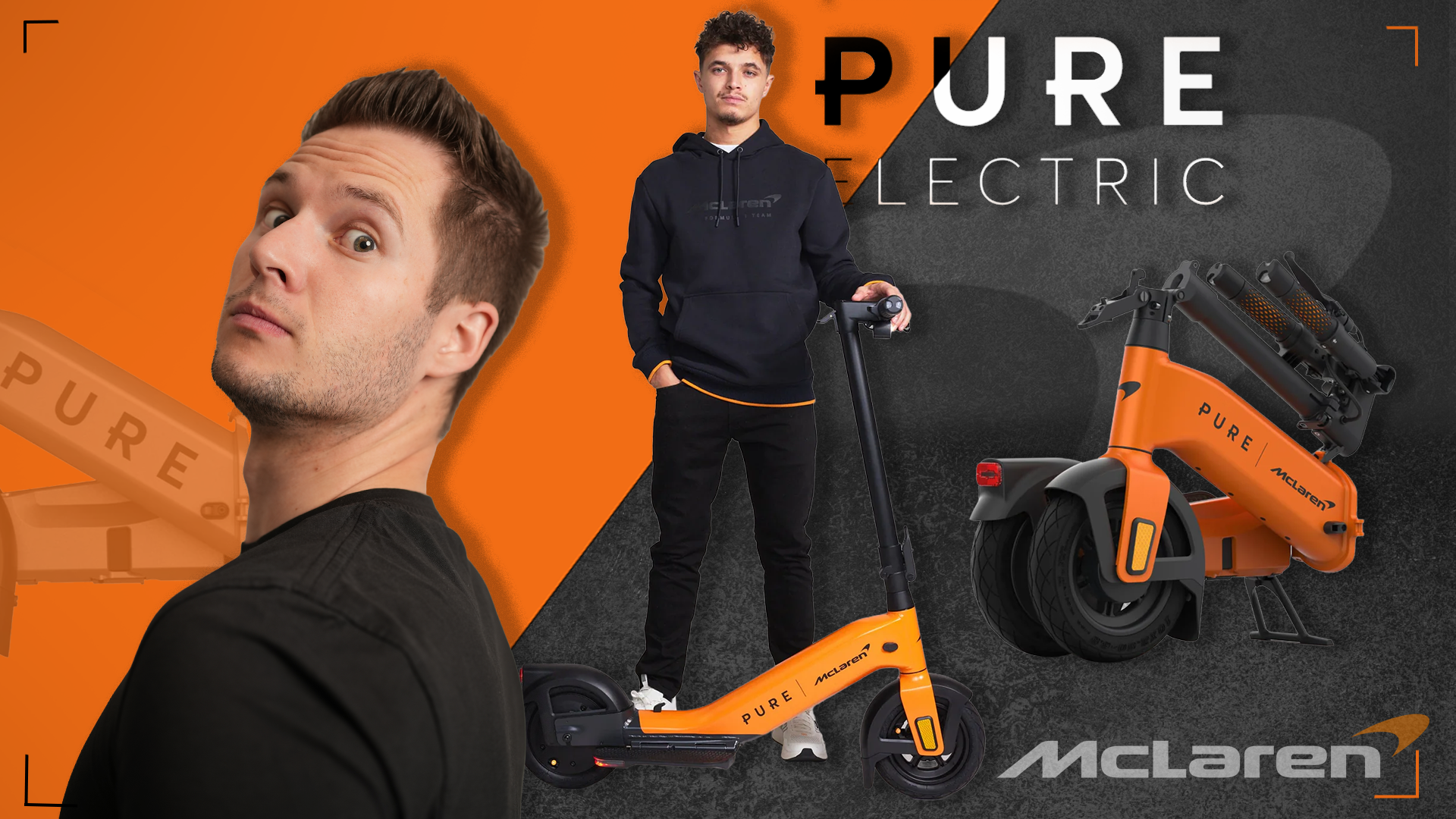

Pure Electric Scooters: Which One Should You Actually Buy?
By Stefan @ WeDoTech
When an F1 Driver Decides to Disrupt Urban Transport
You probably know Lando Norris from his time behind the wheel of a McLaren Formula One car. What you might not know is that he and his father Adam had a different kind of vehicle in mind when they co-founded Pure Electric, a brand built around the idea that an electric scooter can be genuinely good enough to make you reconsider driving a car for short trips.
That is a bold claim.
Most electric scooters feel like an afterthought, a cheap commuter tool with questionable build quality and even more questionable after-sales support. Pure Electric is trying to change that, and after spending time with the full range hands on, the honest verdict is that they are making a stronger case for that vision than most people probably expect.
What Makes Pure Electric Different
Before getting into the individual models, it is worth understanding what separates Pure Electric from the pile of generic scooters flooding the market.
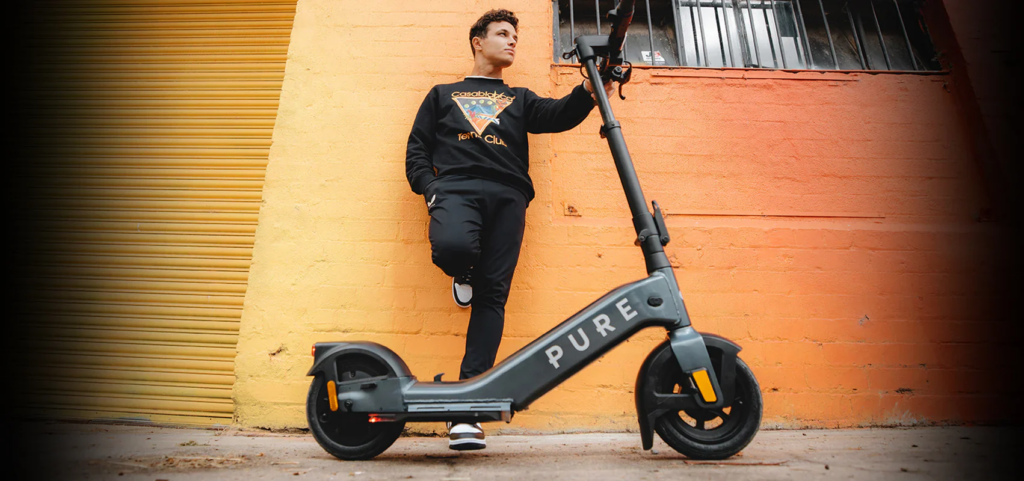
The approach here is consumer first in a way that is actually rare. Every country that imports Pure Electric scooters is required to have local servicing available. If your scooter breaks down, the service team picks it up from your home, repairs it, restores it to near-new condition, including replacing things like reflectors or rubber coverings at their cost, and delivers it back. That level of after-sales commitment is almost unheard of in this category.
The engineering thinking is similarly considered. Pure Electric noticed that the wire connecting the base unit to the screen used to wear out over time from repeated turning. They replaced it with a flexible cable that handles rotation without degrading. The old hard plastic mud flaps were cracking when riders rolled off curbs, so they switched to durable rubber. Small changes, but the kind that signal a brand that is actually paying attention to how people use the product in the real world.
Safety has also been built in thoughtfully. The throttle requires you to kick the scooter to at least 3 mph before it engages, which eliminates the accidental lurch that catches people off guard when fiddling around with the controls. Some models also include brake lights and indicator lights, which matter more than most buyers initially realize.
One genuine frustration across the range is the kickstand. The concept is sound, a stand that lets you park the scooter without leaning it against something, but the execution is genuinely poor. Getting it to engage and disengage cleanly takes more fiddling than it should on a premium product. It is a small thing, but noticeable given how well thought out everything else is.
Breaking Down the Range
Pure Electric covers a wide spread of riders with several distinct models, each targeting a different priority. Here is how they stack up.
The Air5 Pro is the starting point and the right choice for most people coming to the brand for the first time. It is a straightforward point A to point B scooter. You get a rear wheel drive motor, a top speed of 15.5 mph, up to 41 miles of range per charge, and IP65 water resistance. Nothing flashy, but dependable and well built. For the rider who wants something reliable for short daily trips without overcomplicating the decision, this is the model.
Step up to the Air5 Pro Suspension variant and you get the same scooter with one important addition. The suspension absorbs the bumps and dips that make rideless pavement unpleasant, and the difference in comfort is immediately noticeable. If your roads are anything other than perfectly smooth, the suspension version is worth the premium. It also adds enhanced grip tires for more traction, which is a sensible inclusion.
The Escape Pro Plus takes a different approach entirely. Instead of the classic upright stance, it uses Pure's forward-facing design where both feet point toward the front. Combined with active steering stabilization, this makes the Escape Pro Plus the most inherently stable model in the hands-on range. It has a heavy duty steel frame, a 150kg rider weight limit, three speed modes, and cruise control. The trade-off is weight: at around 19kg it is the heaviest of the group, and it does not have the suspension that would arguably make it the most complete option in the lineup.
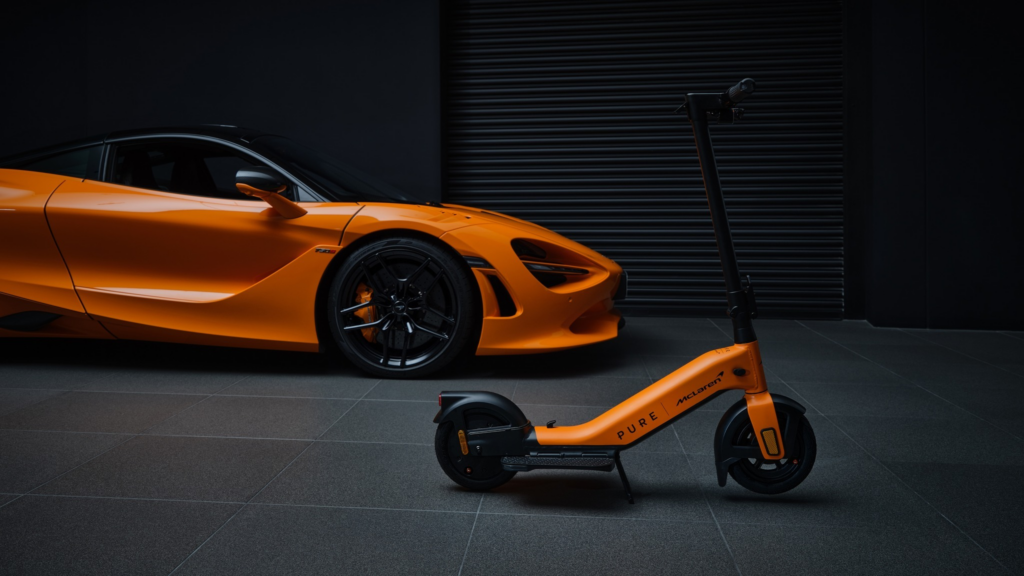
The Pure x McLaren Advanced Plus is the one that gets the most attention, and it earns it. The papaya orange colorway borrowed from McLaren's racing heritage is genuinely striking, and the execution matches the look. It shares the forward-facing stance and active steering stabilization of the Escape Pro Plus, adds folding footpads for slightly better portability, and carries the full McLaren design treatment throughout. On a purely objective level it is hard to justify the premium over the Escape Pro Plus purely on specs. But branding is branding, and this one is difficult to talk yourself out of once you have seen it in person.
The Pure x McLaren Flex sits at the top of the portability argument. It folds down smaller than anything else in the range, fits in a car trunk or on public transit, and loses nothing in terms of power or features. The only thing missing relative to the other McLaren models is suspension, which is a noticeable omission on a premium product. For riders whose main priority is a scooter they can take everywhere without it becoming a burden, the Flex is the clear answer.

The One We Would Actually Buy
If you are trying to extract the most value from the Pure Electric lineup, the honest recommendation is one that was not at the hands-on event: the Air5 Ultra Suspension.
This model pairs the suspension system that makes such a difference in ride comfort with a significantly upgraded motor and nearly double the range of the standard Air5 Pro, pushing close to 58 miles on a single charge. For riders dealing with anything other than perfectly flat city streets, the combination of suspension and extended range makes it the most practical everyday option in the range. The trade-off is that it uses the traditional stance rather than the forward-facing design, but for most riders that is not a dealbreaker.

Pure Electric vs. The Competition
The closest comparable in the premium electric scooter market is Segway-Ninebot, whose flagship models like the GT2 sit in a similar price range. Segway has the advantage of wider availability and an established global service network. Pure Electric counters with the mandatory local servicing model, arguably better consumer protections, and the forward-facing riding stance that genuinely sets it apart in terms of stability.
Where Pure Electric currently falls short is geographic reach. The US market is not yet served by an official storefront, meaning availability outside the UK and Europe requires navigating third-party sellers. That matters for after-sales support, which is one of the brand's main selling points. It is worth checking official availability in your region before purchasing.
Final Thoughts
Pure Electric has built something that the electric scooter market genuinely needed: a brand that treats the product seriously and the customer like an adult. The engineering is thoughtful, the after-sales model is genuinely consumer friendly, and the riding experience across the range is confident and stable in a way that mass-market scooters rarely manage.
It is not for everyone. It will not replace a car for long commutes, and local road laws vary enough that you will need to check what is permitted in your area before buying. But for city dwellers, short commuters, and anyone looking to cut down on car trips for nearby errands, Pure Electric makes a compelling case.
The kickstand still needs work. But almost everything else is better than it has any right to be at this price level.
If sustainable and efficient personal tech interests you, also check out our breakdown of the Honor 600 Pro, another product proving that doing more with less has become one of the most interesting trends in consumer technology right now.