
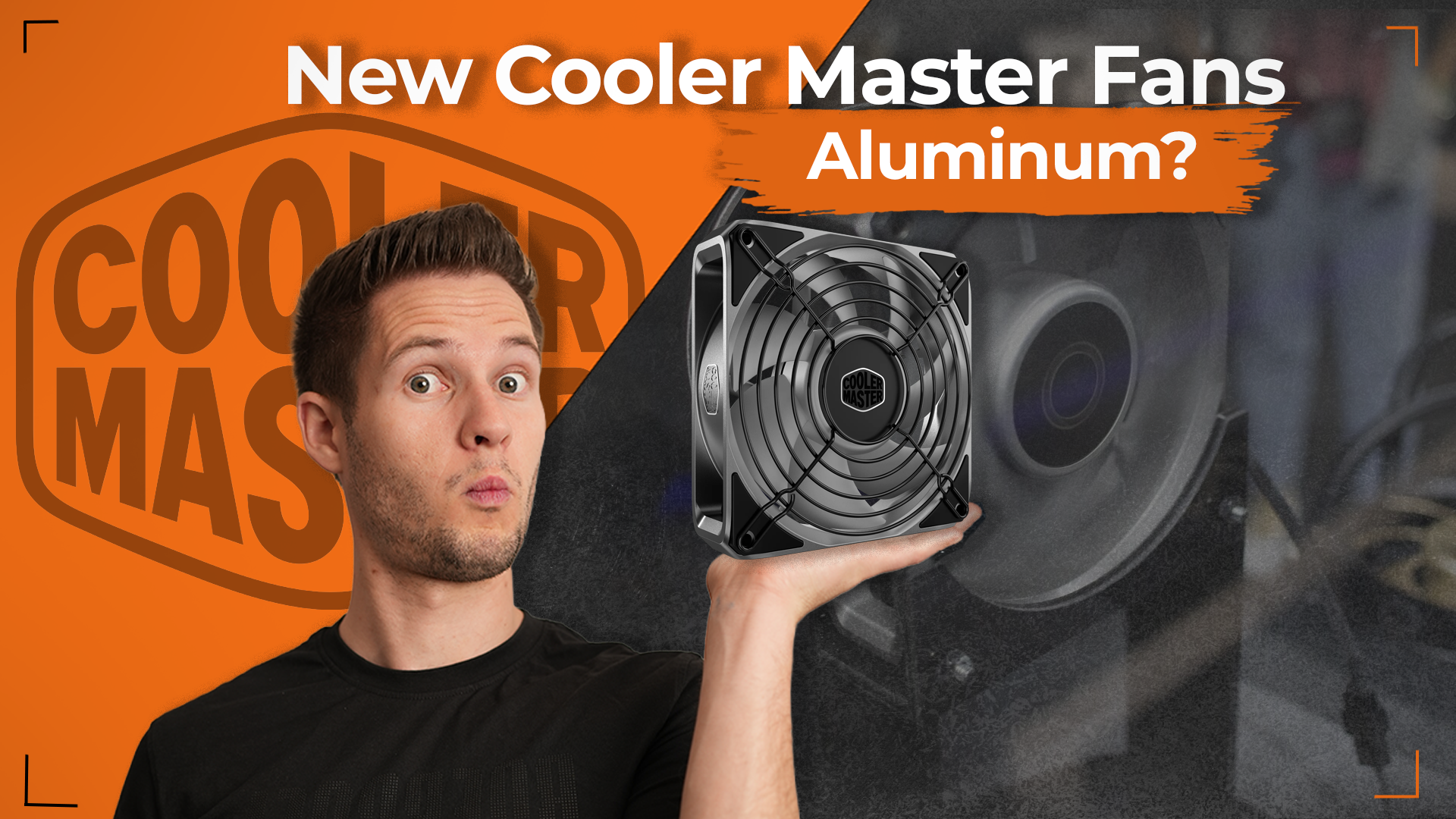

Cooler Master MasterFan A: Aluminum Fans Are Now a Thing
By Stefan @ WeDoTech
Cooler Master Looked at the Plastic Fan and Said No More
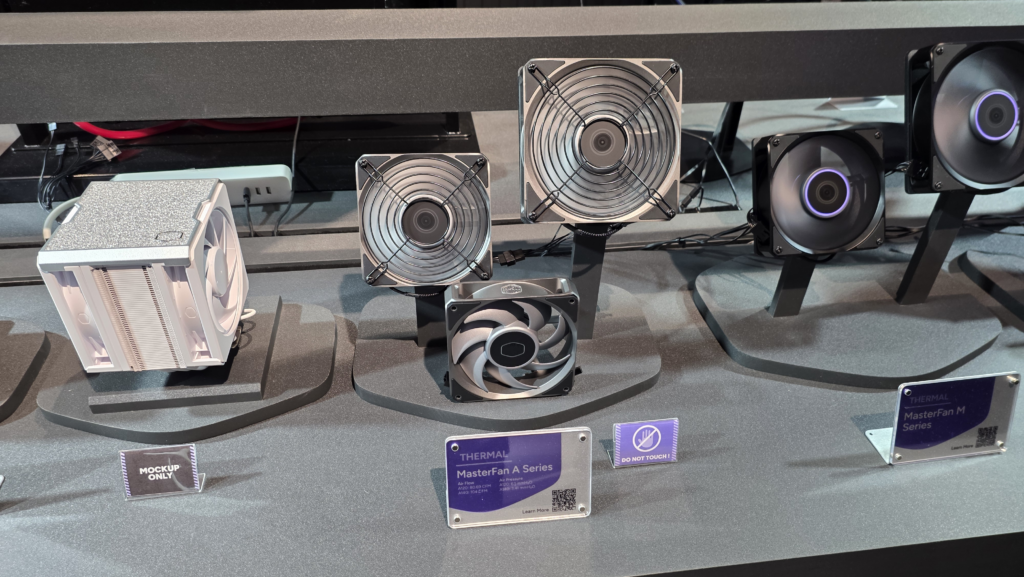
There is a very specific kind of pain that comes from a desktop fan blade catching a finger while it is spinning down. If you build PCs regularly, you have probably experienced it. Cooler Master clearly has too, because at Computex 2026 they showed up with the MasterFan A series, a fan built almost entirely from CNC-machined aluminum instead of the plastic that has defined computer fans for decades.
It sounds like a strange place to innovate. It is also, once you understand the actual engineering problem being solved, a genuinely sensible one.
Why a Fan Needs This Much Engineering
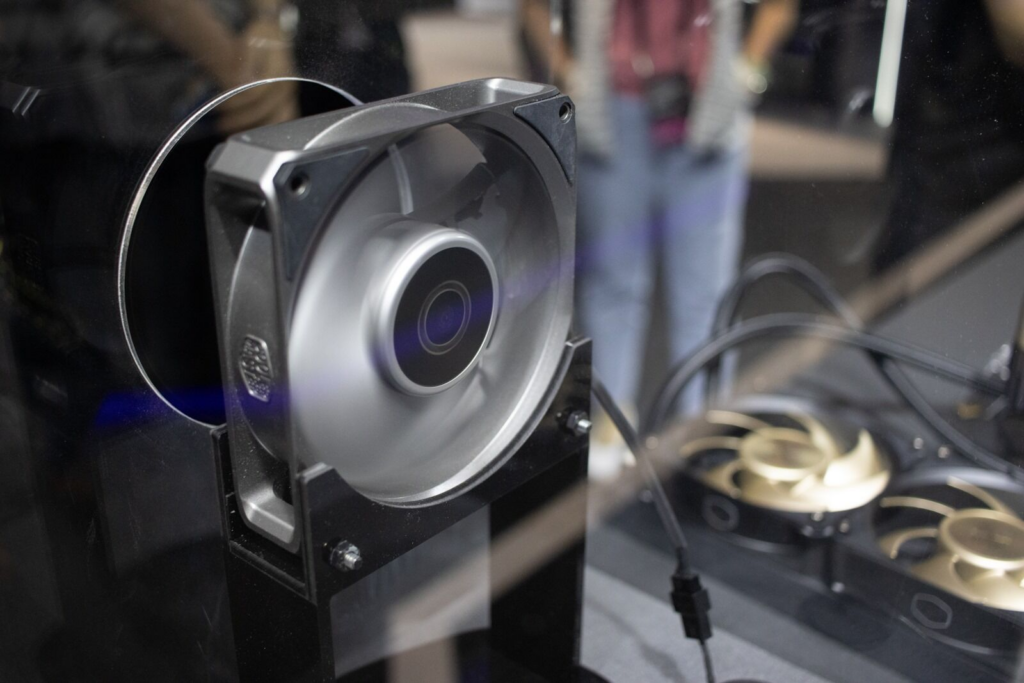
Computer fans spin fast. Fast enough that the standard plastic blades used in nearly every case fan on the market actually deform slightly under the stress of high RPM operation. That deformation is the reason fan housings have always needed a visible gap around the blade assembly. The clearance exists specifically to prevent a warping plastic blade from striking the housing during operation.
Aluminum does not flex the same way. By using CNC-machined aluminum for both the frame and the blades, Cooler Master's MasterFan A series achieves significantly tighter tolerances than plastic construction allows. The blade-to-frame gap measures 0.6mm on the 120mm model and 0.8mm on the 140mm version. That is a meaningful reduction compared to standard plastic fans, and it translates directly into measurable performance gains. The increased material rigidity reduces blade flex at speed, which allows for higher rotational speeds and greater airflow without the acoustic penalties that typically come with pushing a fan harder.
The numbers back up the engineering. The 120mm model delivers over 80 CFM of airflow at 6.1mmH2O of static pressure. The 140mm version moves 104 CFM at nearly 3.5mmH2O. For context, that static pressure figure on the 120mm model is genuinely strong for a fan in this category, making it a credible option for radiator and restrictive airflow applications, not just open case airflow.
What This Actually Feels Like
Beyond the spec sheet, the build quality is immediately obvious when you handle one of these fans. They feel substantially more premium than anything in Cooler Master's existing fan lineup, and that impression holds up under scrutiny rather than being purely a marketing effect. The three-phase motor with dual ball bearings supporting speeds up to 2,500 RPM is a solid foundation for sustained reliability, which matters for a product built around precision tolerances.
The obvious tradeoff is the one that comes with any premium material choice: cost. Aluminum construction at this level of precision machining is significantly more expensive to manufacture than injection-molded plastic, and that cost will show up in retail pricing once these fans reach the market. Cooler Master has not confirmed final pricing, but expecting a meaningful premium over their existing fan range is a reasonable assumption.
The other honest consideration, only half in jest, is that tighter blade clearances paired with metal construction make these objectively less forgiving toward stray fingers than a standard plastic fan. The improved performance comes from precision, and precision parts deserve a bit more respect during installation.
MasterFan A vs. Premium Plastic Fans
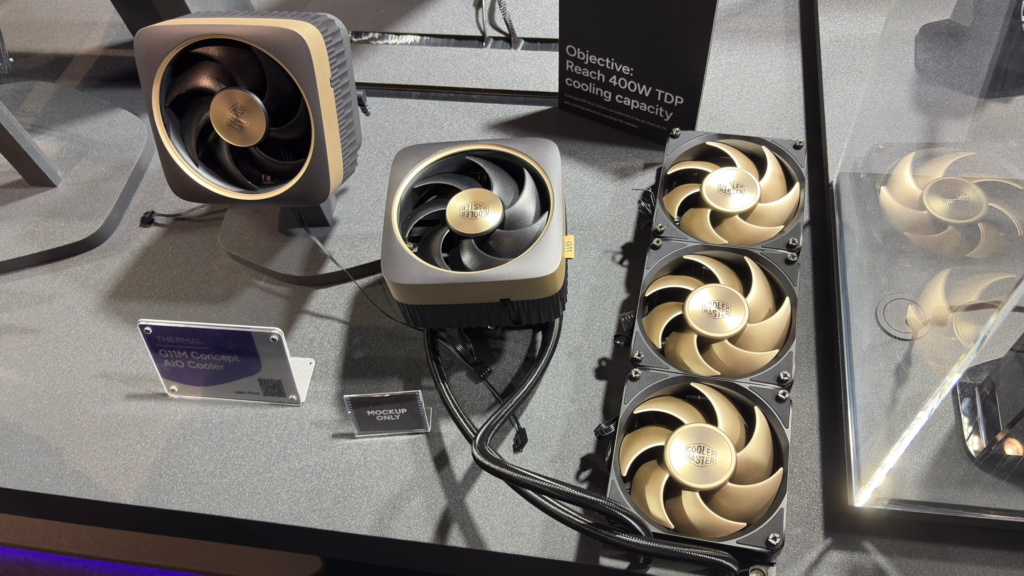
The closest comparison point in the market is Noctua, long regarded as the gold standard for fan tolerances and acoustic engineering using plastic construction. Cooler Master's aluminum tolerances on the MasterFan A series do not quite match Noctua's best-in-class plastic engineering, but they get considerably closer than most fans on the market, while offering the rigidity and premium feel that only metal construction provides.
For builders prioritizing absolute acoustic performance at the lowest possible noise floor, Noctua's refined plastic fans remain a strong choice. For builders who want a fan that feels and performs like a precision component, and who are building a system where premium materials are part of the appeal, the MasterFan A series offers something genuinely different in a category that has not seen much material innovation in years.
Final Thoughts
A fan running at this level of tolerance, made from machined aluminum instead of injection-molded plastic, is the kind of product that sounds unnecessary until you understand exactly what problem it solves. Cooler Master identified a genuine limitation in conventional fan construction and engineered a real solution rather than a marketing exercise.
The MasterFan A series will cost more than a standard fan. That is an inevitable consequence of the material and manufacturing process involved. But for builders who care about airflow performance, build quality, and the kind of component-level detail that defines a genuinely premium PC build, this is one of the more interesting cooling products to come out of Computex 2026.
Metal fans were apparently a broader theme at the show this year. Cooler Master made one of the more compelling cases for why that trend deserves to stick around.
For more cooling innovation from Computex 2026, check out our breakdown of the Gigabyte X870E AORUS INFINITY NEXT, another product proving that aerospace-grade manufacturing is finding its way into consumer PC hardware.