

Nvidia’s Rise: From Gamers’ Favorite to AI’s Kingmaker
By Stefan @ WeDoTech
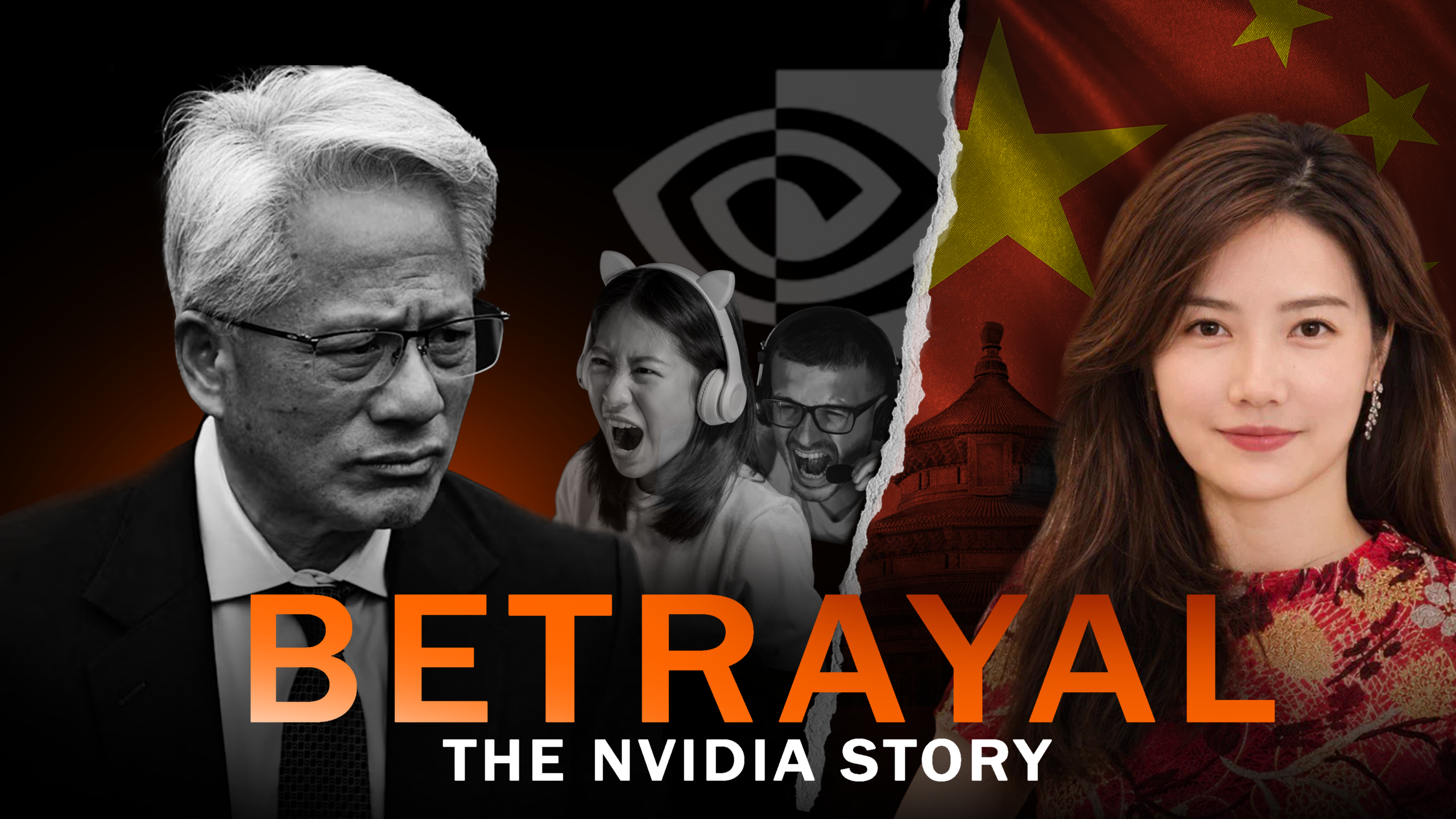
A scandal at the top has put the chipmaker under a harsher spotlight than ever. To understand why it matters, you have to understand how a graphics card company ended up running the AI race.
Nvidia is one of the most powerful companies on the planet, and Jensen Huang is one of the most recognizable CEOs in tech. That is exactly why this month’s headlines landed so hard.
On November 8, Huang sent an email to employees admitting he had been unfaithful to his wife of 41 years. The admission came after weeks of reporting about his relationship with a businesswoman whom US intelligence officials reportedly suspect of gathering information for China. Those allegations are serious, and they are also unproven.
Before getting into what this means, it is worth stepping back. The company at the center of this story did not start out building AI. It started out trying to make video games look better, and it nearly died doing it.

The Email That Shook the AI Industry
Here is what has been confirmed, and what has only been reported.
Confirmed: Huang published an apology to employees on the company website, saying he had been unfaithful, that there was no excuse for it, and asking for privacy for his family. He did not name the other person. The board announced an independent investigation, with outside legal counsel, into reports that Huang had been the target of a foreign intelligence effort. Huang said he supports the investigation and will cooperate fully. The stock fell around 6% the following Monday.
Reported: The New York Times and others identified the woman as a former executive at Megaspeed, a Singapore-based data center company that buys the chipmaker’s AI hardware. According to those reports, US intelligence officials believed she had been recruited by China’s Ministry of State Security. Megaspeed was reportedly already being watched over concerns that it helped Chinese firms access restricted AI chips. President Trump said the FBI is also looking into the matter.
Disputed or unproven: China rejected the allegations, and Singapore’s Ministry of Home Affairs said its authorities never investigated the woman over intelligence links. Nvidia’s board has said it has no evidence that company secrets or US national security were compromised, and no reporting suggests Huang knowingly shared sensitive information. No charges have been filed.
In other words, this is a personal scandal with a possible national security angle, and the second part is still a question, not a conclusion.
Thirty Days From Collapse
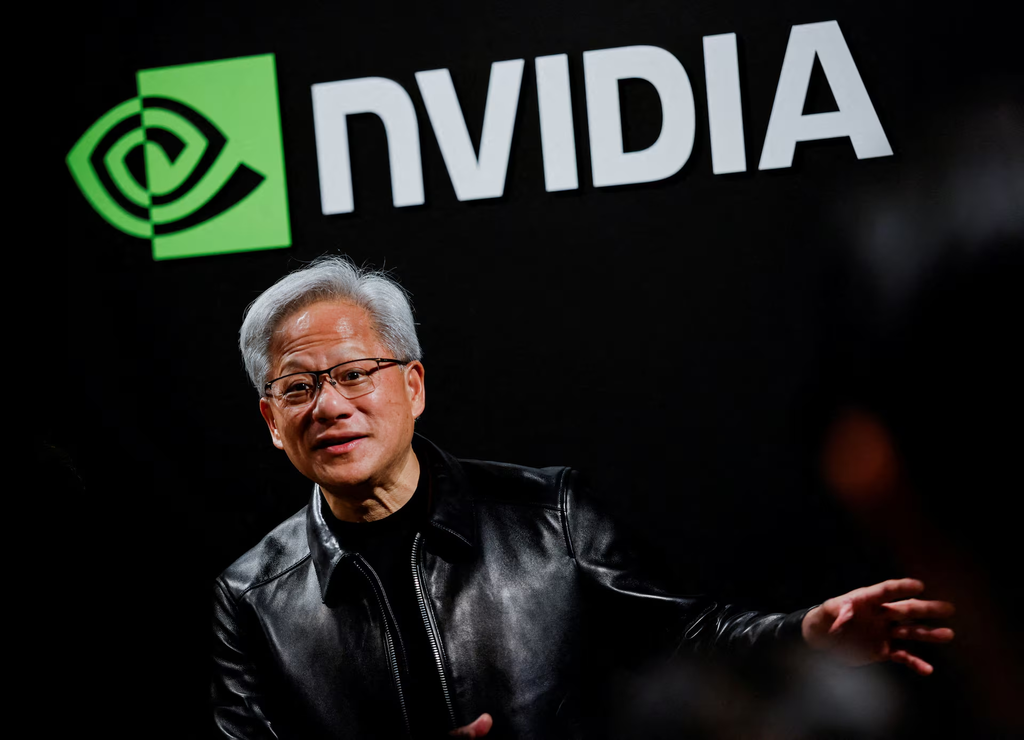
Nvidia was founded in 1993 by three engineers, Jensen Huang, Chris Malachowsky and Curtis Priem, who famously sketched out the idea at a Denny’s in San Jose. Their bet was that graphics processing would become a huge industry, starting with games.
The early years were rough. Its first chip, the NV1, bet on the wrong approach to 3D rendering, and a deal to build graphics for Sega’s next console fell apart. By the mid-1990s, Huang has said, the company had roughly 30 days of cash left. He flew to Japan, admitted the chip would not work, and asked Sega to turn the money it owed into a $5 million investment anyway. Sega’s then-president agreed. Huang still credits that decision with keeping the company alive, and “30 days from going out of business” became his personal motto.
What came next was gaming. The late 1990s brought an explosion in 3D games, and the company got very good at building chips that could push huge amounts of graphics data quickly. The GeForce brand arrived in 1999 and became the default choice for PC gamers. For two decades, the brand meant graphics cards, frame rates and enthusiasts arguing on forums. Gamers kept the lights on.
The Bet Nobody Noticed
While the world saw a gaming company, something bigger was quietly taking shape.
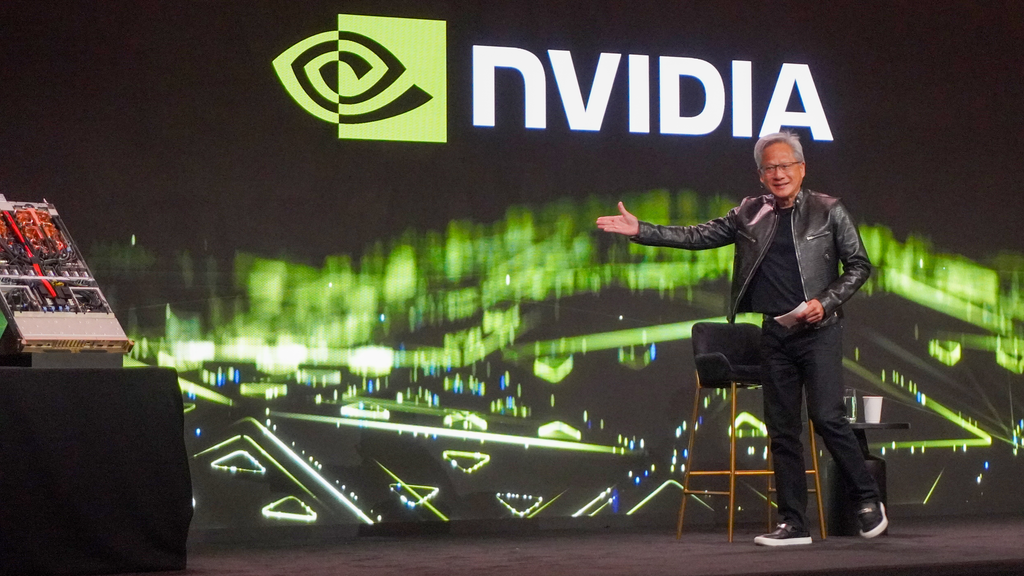
In 2006, the company introduced CUDA, a platform that let developers use GPUs for general computing, not just graphics. It did not sound exciting at the time. But it meant researchers, universities and scientists could suddenly run massive calculations on graphics hardware.
That turned out to be the missing piece for AI. Machine learning research had existed for decades, but training large models required enormous computing power. GPUs, built to process millions of pixels in parallel, were naturally suited to the math behind neural networks. By the time the AI boom arrived, the company had spent more than a decade building the software, tools and developer community around it.
Huang likes to tell the story of the DGX-1, Nvidia’s first dedicated AI system. When it launched in 2016, he says, nobody wanted it. One small nonprofit in San Francisco asked for one, so he delivered it himself. That nonprofit was OpenAI.
Then ChatGPT arrived, and every tech company, investor and executive suddenly needed an AI strategy and the hardware to run it. Chips like the H100 and later Blackwell became some of the most sought-after hardware on Earth, with companies like Microsoft, Google, Meta and Amazon competing for supply. Nvidia’s market value crossed $5 trillion, a figure that would have sounded absurd when it was 30 days from bankruptcy.
One more detail surprises many people: the company does not manufacture its own chips. It designs them, and partners such as TSMC build them. Its real value lies in engineering, software and the ecosystem it has spent years building.
Gamers Feel Left Behind
This is where the story gets uncomfortable for the people who built Nvidia’s early success.
The numbers show how far the business has shifted. In the quarter reported in November 2025, data center revenue hit $51.2 billion, while gaming brought in $4.3 billion. On that earnings call, the company described itself as having evolved from a gaming GPU company into an AI data center infrastructure company.
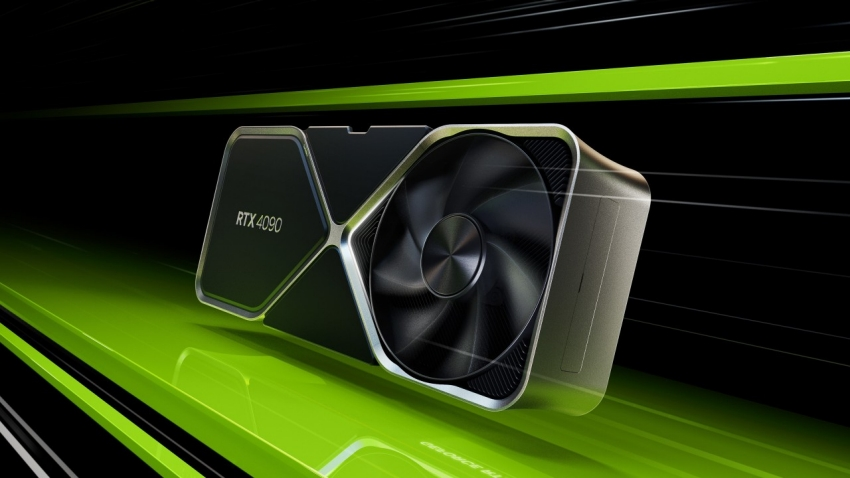
Many PC gamers feel that shift every time they shop. AI demand has pushed up the cost of graphics cards and memory, and building a capable gaming PC now feels like an expensive hobby. Computex 2026 sharpened that frustration. Nvidia’s keynote led with AI platforms and its RTX Spark chip for Windows PCs rather than a new GeForce desktop card, and industry reporting suggests 2026 will pass without a new desktop gaming GPU launch at all.
There is another side to this. Gaming revenue was still growing, up 30% year over year in that same quarter. RTX Spark was demoed running modern games, and features like DLSS keep improving for existing cards. Gamers have not been abandoned, but they are clearly no longer the priority. In our view, that is the real source of the anger: the feeling that the community that saved Nvidia is now an afterthought.
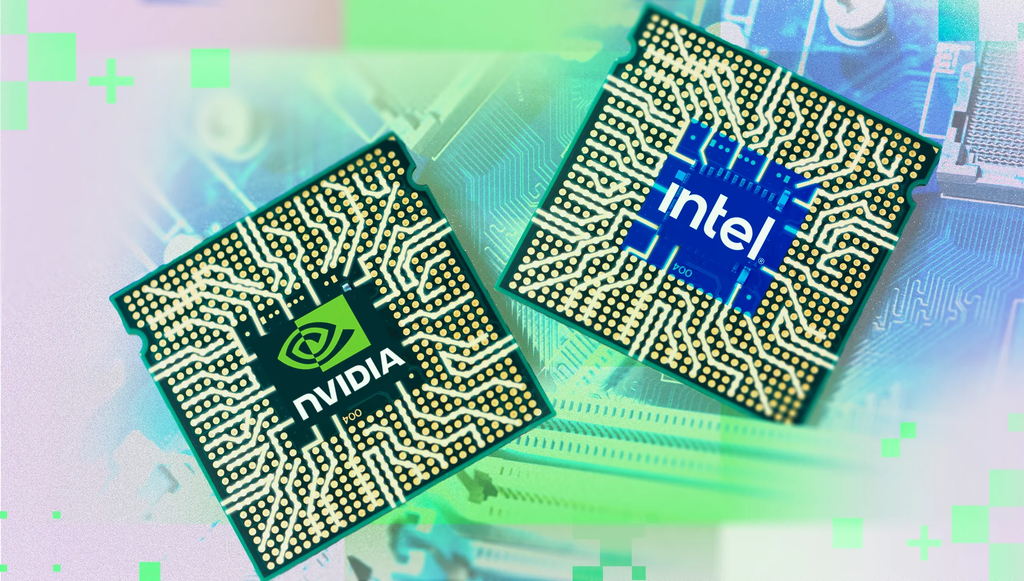
Nvidia vs AMD, Intel and Custom Chips
Nvidia’s dominance has made everyone else look for alternatives.
- Intel spent decades ruling CPUs, but AI training rewards massively parallel processing, which GPUs handle far better. Manufacturing delays and missed opportunities left Intel reacting rather than leading.
- AMD is the most direct rival. It already understands GPUs and has invested heavily in AI accelerators and software. Many companies would welcome a stronger AMD simply to reduce their dependence on one supplier.
- Big tech’s own chips are the other threat. Google, Amazon, Microsoft and Meta are all building custom silicon to handle more of their own AI workloads.
The problem for all of them is that Nvidia’s advantage reaches well beyond the chip, into CUDA, the developer tools, years of optimization and the trust of customers who have built everything around it. It is like building a great sports car and also owning the roads, the fuel stations and the driving schools. Wanting to replace Nvidia and actually replacing it are two very different things.
Our verdict: competitors are improving, and Nvidia’s share of AI computing will likely shrink over time. But its lead was built over decades, and it will not disappear quickly. The bigger near-term risk may be leadership and trust, which is why the outcome of the board’s investigation matters so much.
Final Thoughts
Nvidia’s rise was not luck. It came from a long series of decisions that looked unrelated at the time: surviving the NV1, winning gamers with GeForce, betting on CUDA when nobody cared, and building AI hardware before there were customers for it.
That history is also why gamers feel stung. They carried Nvidia through its hardest years, and now they watch it chase a much bigger prize. The scandal adds a new layer of uncertainty, but until the investigation finishes, it should be treated as exactly that: serious allegations, not established facts.
Our take is that Nvidia is not going anywhere soon, but it should not forget who got it here. If you are buying a GPU right now, judge it on value, not loyalty.
For a look back at another Nvidia chapter that left gamers disappointed, read Why SLI Died: PC Gaming’s Biggest Broken Promise.