

iPhone Duo Crackgate: Rushed Launch or Rare Defect?
By Stefan @ WeDoTech
Apple says it will replace cracked iPhone Duo screens. That raises an awkward question for a phone that is sold out until January.
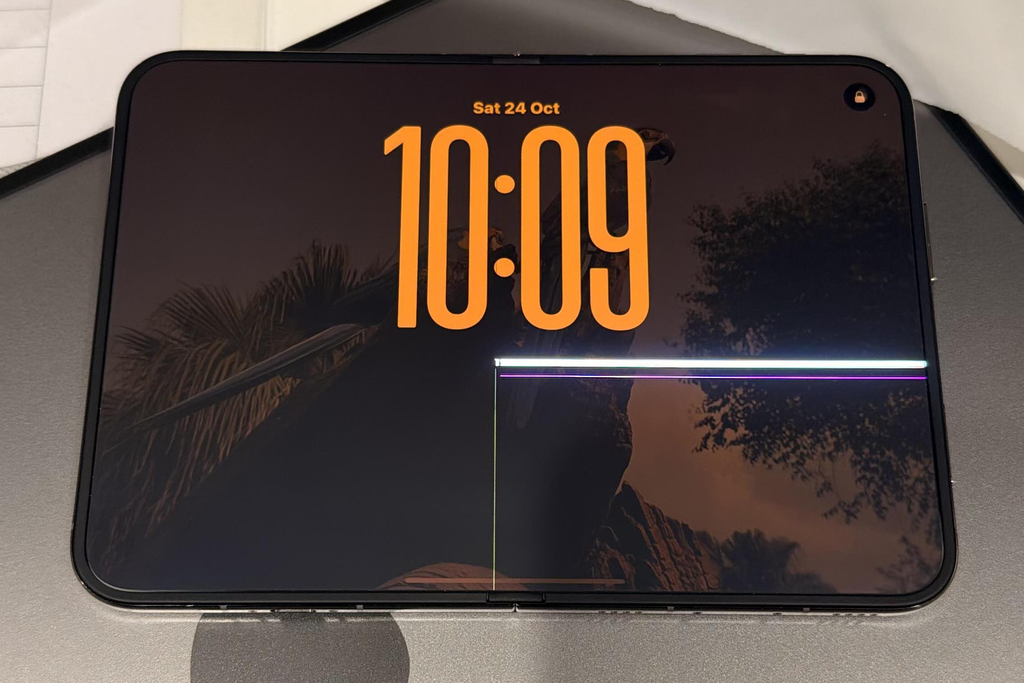
Apple’s first foldable has a screen problem. Within days of the iPhone Duo reaching customers, owners started posting photos of cracked inner displays, and the internet quickly named it “crackgate.”
Apple has responded by promising to replace affected phones. But that promise sparked a second question. If the phone is sold out until late January, where are the replacement units coming from? And what does this say about how the phone was built?
How Crackgate Started
The iPhone Duo went on sale on October 23. Within hours, some buyers were sharing photos of cracks running along the fold of the inner screen. Several described hearing a crunching or popping sound before the damage appeared. One owner said a hinge part had snapped, which they believe caused the crack. Another said the screen failed before setup was even complete.
Apple then confirmed it was aware of an issue affecting the inner display on a very small number of units, and said most iPhone Duos are not susceptible. It told affected owners to contact AppleCare. Reports say defective screens are covered under the standard warranty, so you do not need AppleCare+ to get a replacement. On October 30, MacRumors reported that Apple had sent a memo telling stores and authorized service providers to inspect affected units and repair or replace them under standard procedures.
What Apple has not done is explain the cause. It has also said this is not a recall, and there is no formal public repair program.
One more thing worth knowing: some viral “cracked Duo” posts were reportedly AI-generated fakes. The real problem exists, but not every image online is real.
The Stock Question
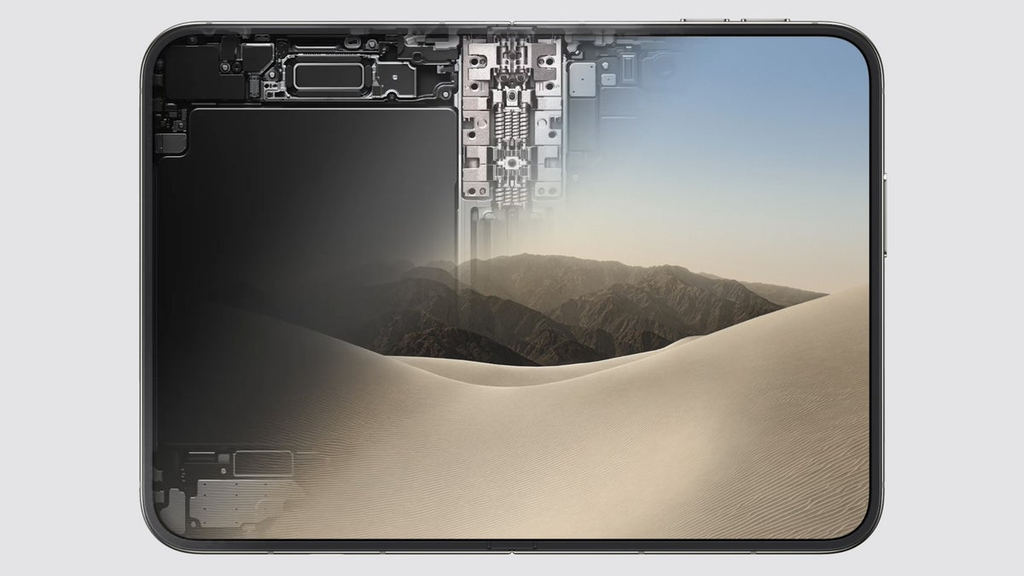
This is the part that made us suspicious. Pre-orders sold out within minutes on October 16, and new US orders were pushed to late January. Yet Apple is offering replacements.
Apple has not explained how it is handling replacement stock. Companies usually keep separate service inventory for warranty claims, so having units for replacements does not automatically mean retail stock is being held back. That is the most likely explanation, but it is our reading, not a confirmed fact. Some outlets have also warned that replacements could take a while given how tight supply already is.
The Quality Control Report
The bigger story is a report from Chinese outlet Jiemian News.
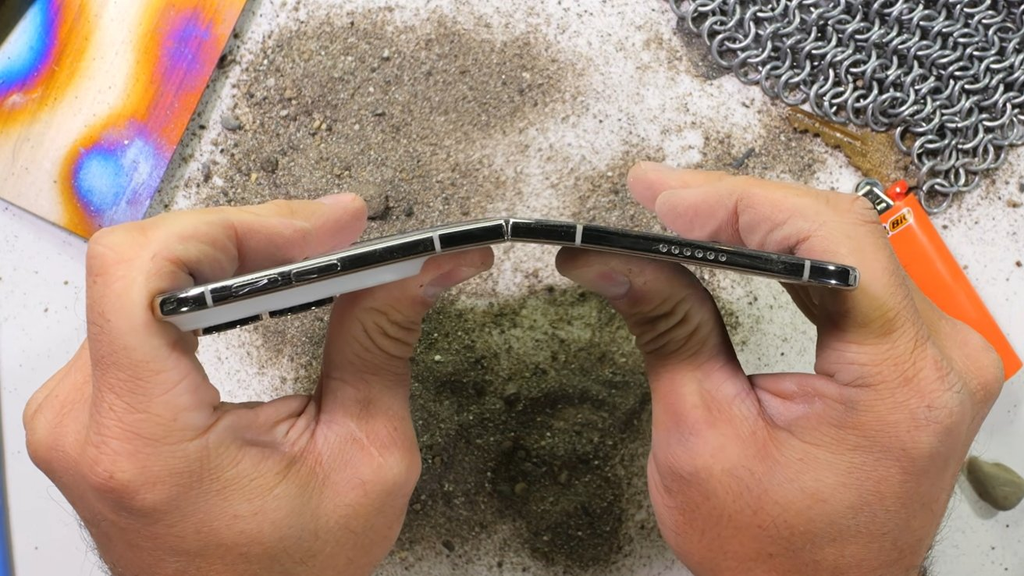
Back in September, before launch, Jiemian reported that final assembly yields at Foxconn were only slightly above 60% as of September 17. In plain terms, roughly four in ten units were not passing at that stage. Sources said it could take six months to a year to reach mature yields, and that suppliers were waiting to see whether Apple would relax some quality requirements to speed up production. A separate report from MyDrivers claimed a manufacturer had asked Apple to choose between yield and output.
Then, on October 29, Jiemian cited an unnamed Foxconn employee who claimed Apple had relaxed certain quality checks to get more units into stores before the holidays. The same source said a batch of components on the production line had since been replaced, and that the standards had not been changed. Another supply chain source reportedly denied the claim entirely.
So here is where things stand:
- Confirmed: some inner screens are cracking, Apple acknowledges an issue, and it is replacing affected units.
- Reported but unconfirmed: Apple relaxed quality checks under production pressure.
- Unknown: the actual cause of the cracks, and how many units are affected.
There is no evidence yet that any change to quality checks caused the cracks. But the timeline is hard to ignore: low yields, pressure on output, a sold-out launch and then screen failures within days.
Why This Matters for Apple
Apple has built its reputation on getting things right rather than getting there first. With the iPhone Duo, it waited years and watched rivals make mistakes before entering the foldable market. That is why crackgate stings.
The timing is also awkward for John Ternus, who took over as Apple CEO on September 1. The iPhone Duo was the headline product of his first big launch. How Apple handles this, and how quickly it explains the cause, will be an early test of his leadership.
Cost is another concern. Apple says an out-of-warranty inner screen repair costs $999. If an iPhone Duo cracks after the warranty period and Apple classes it as accidental damage, that is a painful bill on a $1,999 phone. Until Apple explains how it decides between a defect and damage, owners are left relying on case-by-case decisions.
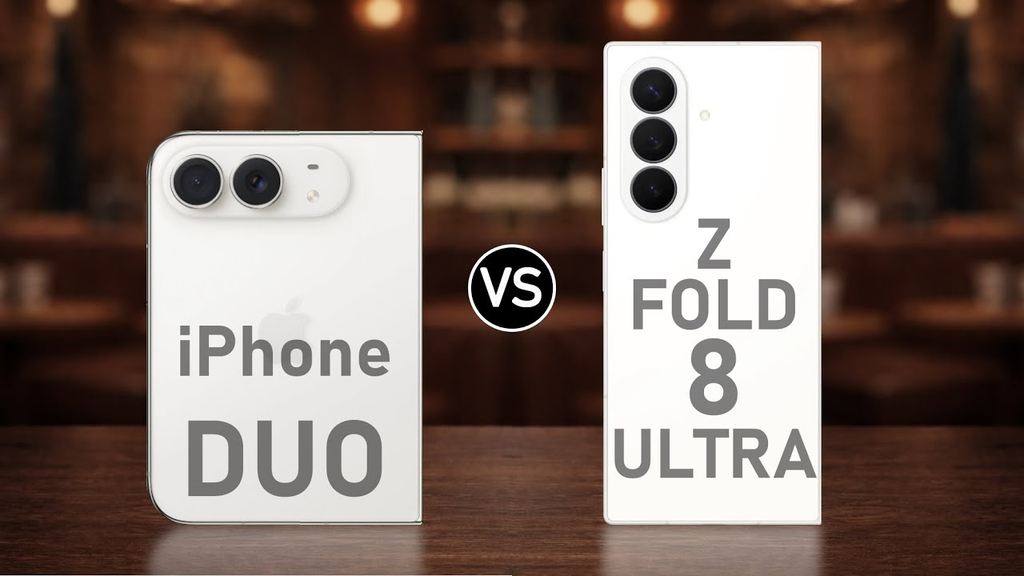
iPhone Duo vs Galaxy Z Fold8 Ultra on Durability
It is fair to compare Apple with Samsung here, because Samsung has been through this before.
- Track record: first-generation iPhone Duo vs Samsung’s eighth-generation Fold design
- Ratings: the iPhone Duo is rated IP68, while the Galaxy Z Fold8 Ultra is rated IP48
- Early problems: Samsung’s original Galaxy Fold in 2019 had review units fail and its launch delayed, while the iPhone Duo’s issues surfaced after launch
- Repairs: Apple is replacing affected screens under warranty, but a $999 out-of-warranty inner screen repair is steep
On paper, the iPhone Duo has better dust and water protection. In practice, Samsung’s hinge and display design has had years of real-world refinement. First-generation foldables almost always have teething problems, and Apple is not immune.
Our verdict: Samsung currently has the more proven foldable. Apple has the better ratings but still has to show that its hinge holds up over time.
Final Thoughts
Crackgate is not proof that every iPhone Duo is fragile. Apple says only a very small number of units are affected, and it is replacing them. But the combination of reported production struggles, claims of relaxed quality checks and screen failures within days of launch is a bad look for a $1,999 phone.
Our recommendation: if you own an iPhone Duo with a cracked inner screen, stop folding it, document the damage and contact Apple Support or an Apple Store quickly. If you have not bought one yet, this is another reason to wait, as we argued in iPhone Duo Review: Why We Canceled Our Pre-Order. Second-generation hardware usually fixes problems like this.
If you are considering Samsung’s more established foldables instead, read Galaxy Z Fold 8 vs Fold 8 Ultra: Which One to Buy?