

RAM Shortage: Sam Altman Was Half Right About Your PC
By Stefan @ WeDoTech
The OpenAI CEO says too much memory sits idle in our computers. He is not entirely wrong, but he picked the wrong target.
In the middle of a global RAM shortage, Sam Altman thinks you should not have so much RAM. Give it to the data centers instead.
That is the short version of a comment that set the PC community on fire at a time when memory prices are already at record highs. The reaction was loud, and plenty of it was deserved. But once the jokes settle down, there is an uncomfortable point buried in what he said. There really is a lot of computing power sitting unused out there. It is just not where Altman suggested.
This is an opinion piece, so here is our position up front: the AI industry is the main cause of this mess, but some of the wasted memory is sitting in our pockets and on our desks for no good reason.
What Altman Actually Said
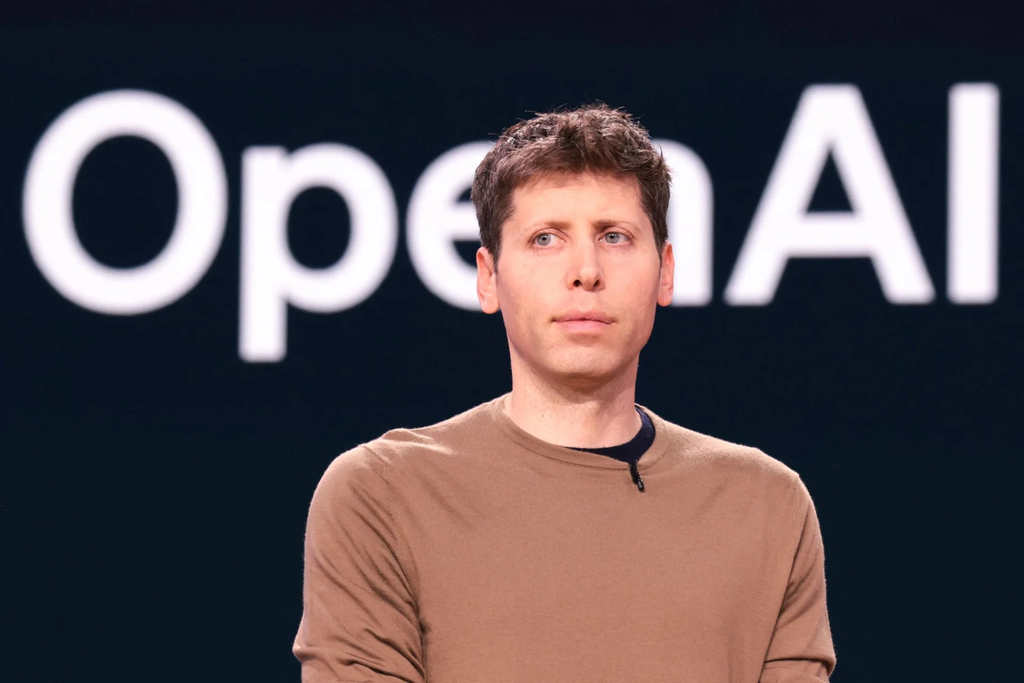
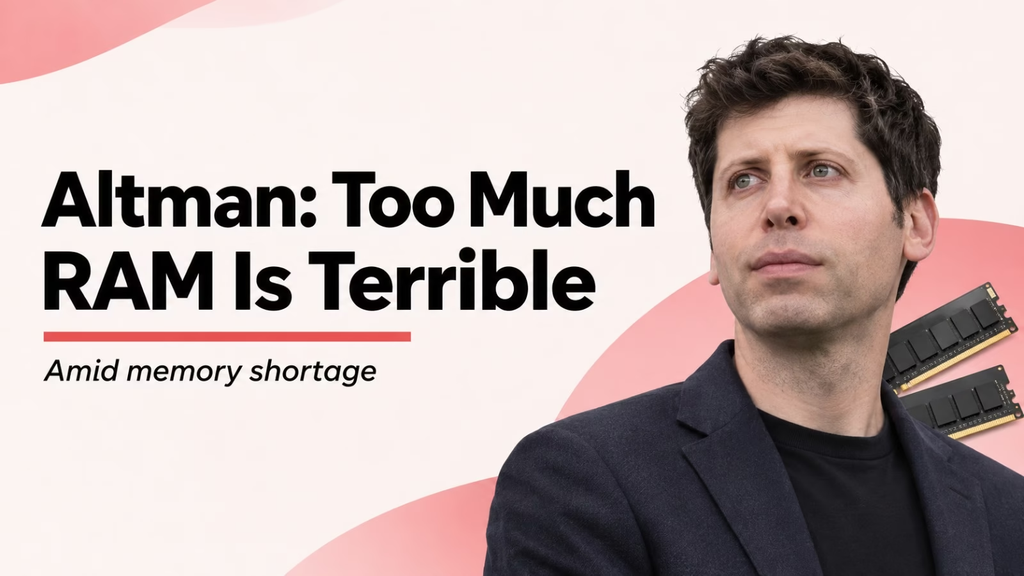
The comment came from the October 29 episode of the Cheeky Pint podcast, hosted by Stripe co-founder John Collison. Talking about local inference, which means running AI models on your own computer instead of in the cloud, Altman argued that memory in home computers is only used around 5% of the time. In a supply-constrained market, he said, it would be far better to keep that memory busy in a data center around the clock. He described the current situation as “quite terrible.”
The clip spread quickly, and gamers heard it as a CEO saying their PCs were a waste of RAM. Altman later said the comment had been taken out of context. In replies on X, he said he wants people to have as much RAM as they like and that the real answer is more memory production.
Fair enough. Context matters, and he was mainly talking about AI hobbyists running local models. But it is hard to blame people for reacting badly when the company asking for more memory is part of the reason they cannot afford any.
How Bad the RAM Shortage Has Become
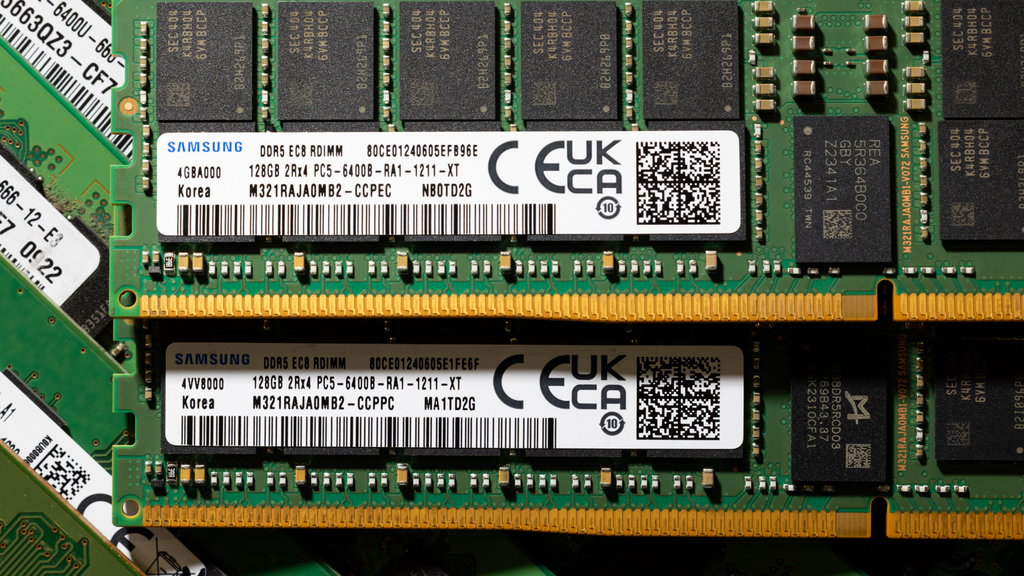
The numbers behind the RAM shortage explain why the comment landed so poorly. Memory makers have shifted production toward high-bandwidth memory (HBM) and server DRAM for AI data centers, because that is where the profits are. Consumer memory has been squeezed as a result, and that is the root of the RAM shortage PC buyers are feeling now.
- Record price jumps: TrendForce reported that conventional DRAM contract prices rose 90% to 95% quarter over quarter in Q1 2026.
- Spot prices: a mainstream DDR4 chip that cost about $12 in November 2025 sold for $46.32 in early October 2026, according to TrendForce and DRAMeXchange data.
- AI’s share: Gartner estimates AI workloads take roughly 20% of global DRAM wafer capacity this year.
- No quick fix: TrendForce forecasts another 10% to 15% rise in conventional DRAM contract prices in Q4 2026, and memory brand Team Group expects the worst stretch to run from now into mid-2027.
Samsung and SK Hynix have both signaled that the RAM shortage could last for years. For anyone trying to build a gaming PC, upgrade a workstation or buy a laptop with enough memory for real work, this RAM shortage shows up as a much bigger bill.
Where the Idle Memory Really Lives
This is where we think Altman has half a point.
Gaming PCs are not the problem. A gaming rig is built for a job, and when it is running a modern game, video editor or 3D renderer, that memory is actually doing work. Gamers and creators usually buy RAM with a specific workload in mind.
The bigger pool of unused memory is in premium devices bought by people who will never touch their limits. Flagship phones now ship with 12GB or 16GB of RAM. High-end laptops can be configured with 64GB or more. A lot of these machines end up running a browser, email, streaming apps and a spreadsheet. That is a perfectly fine way to use a computer, but it does not need a top-tier memory configuration.
Manufacturers know this. Premium configurations carry big margins, so the marketing pushes everyone toward the biggest, newest model. Susan from accounting does not want her spreadsheets to lag, and that is understandable. But multiplied across millions of buyers, all that unused capacity adds up during a RAM shortage.
The Case Against Blaming Buyers
There is a strong counterargument here, and it deserves space.
First, ordinary buyers did not cause the RAM shortage. Data center demand did. Even if every casual user downsized tomorrow, AI companies would still be competing for the same production lines.
Second, the memory inside phones and thin laptops is soldered LPDDR, not the desktop DDR5 sticks gamers are hunting for. It competes for the same factory capacity, but skipping a 16GB phone does not put a RAM kit on a shelf.
Third, extra memory is not always wasteful, even during a RAM shortage. More RAM can keep a device usable for longer, and on-device AI features are making memory requirements climb. A laptop bought with headroom today may avoid an early replacement, which is better for both wallets and e-waste.
Finally, some critics have pointed out that Altman’s argument conveniently matches OpenAI’s business model. A world where computing lives in the cloud is a world where you rent it instead of owning it. That concern is speculative, but it is not unreasonable.
Cloud Memory vs Owning Your Own
At its core, the RAM shortage debate is about two models of computing.
- Data center memory: used almost constantly, shared across many users and efficient on paper. The downsides are subscriptions, privacy trade-offs, dependence on an internet connection, and handing control to a few large companies.
- Local memory: idle for much of the day, but yours. It works offline, keeps your data on your own hardware, runs games and creative apps with no latency, and costs nothing extra after purchase.
Altman is right that the cloud is more efficient per gigabyte. But efficiency is not the only value. Ownership, privacy and reliability matter too, and gaming in particular is not something most players want to rent back from a server farm. Our verdict is that both models need to exist. The real fix for this RAM shortage is more production, which, to his credit, is exactly what Altman eventually said.
Final Thoughts
Sam Altman was half right about the RAM shortage. There is a lot of memory sitting unused in personal devices. He just aimed at the wrong group. Gamers and creators use what they buy. The idle capacity sits mostly in premium phones and laptops sold to people who will never need it.
Our recommendation is simple, at least until the RAM shortage eases: buy what you need. For everyday browsing, office work and streaming, a mid-range configuration is enough. Save the high-memory options for gaming, editing, development and local AI work, where the RAM will actually earn its keep. Nobody should feel guilty about owning a computer, but during a shortage, buying sensibly helps everyone.
For more on how the AI boom is reshaping the tech market, read about The MSI Cubi NUC AI+.