
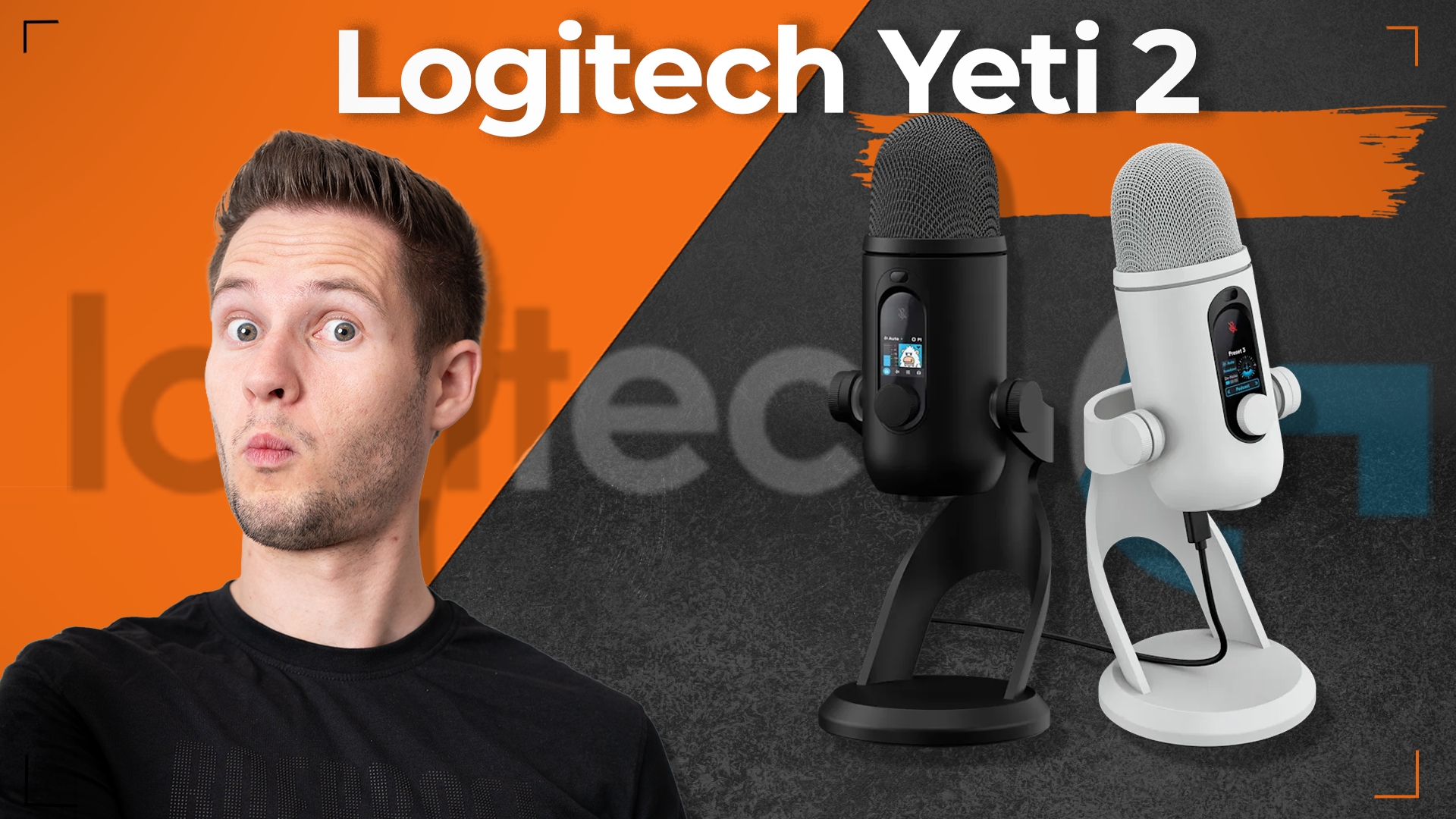

Yeti 2: The Microphone That Follows You
By Stefan @ WeDoTech
Logitech has finally given the internet's favorite USB microphone a proper sequel in the Yeti 2, and its best feature is one you would never expect on a mic.
Logitech brought back the Yeti, and the Yeti 2 is one of the most interesting microphones we have seen in a long time.
The original Blue Yeti was once the most popular microphone on the internet. If you watched a YouTube video, listened to a podcast or joined a stream in the 2010s, there was a good chance someone was talking into one. Now, 17 years later, it has a real successor.
What impressed us most about the Yeti 2 was the proximity sensor that tracks where you are, even more than the little screen, the onboard controls or the sound quality.
The Yeti Is Back After 17 Years
The original Blue Yeti launched in 2009 and became the default USB microphone for podcasters, streamers and creators. Logitech bought Blue in 2018, and the Yeti 2 is the first proper sequel to that original design.
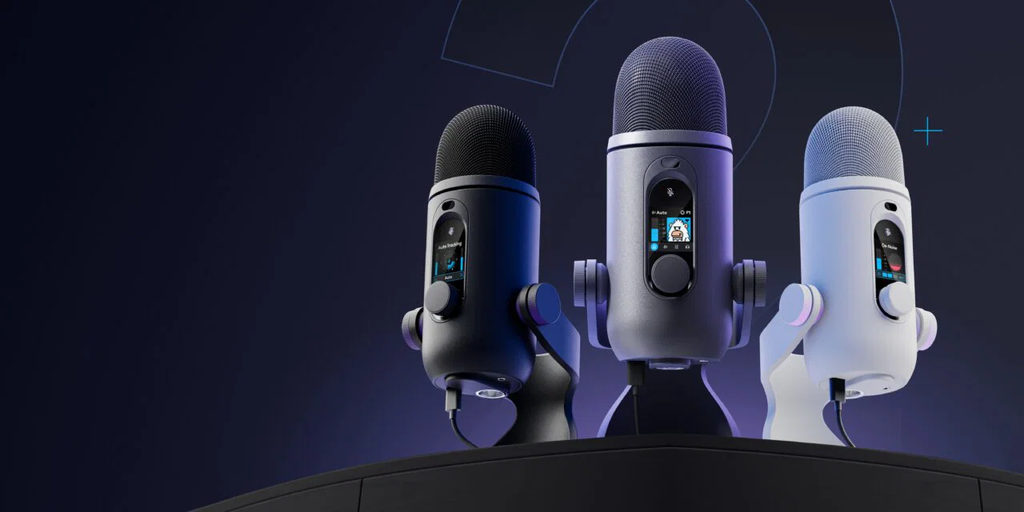
Logitech G unveiled the Yeti 2 at its G PLAY 2026 event in September. It is available now in black and white for $159.99.
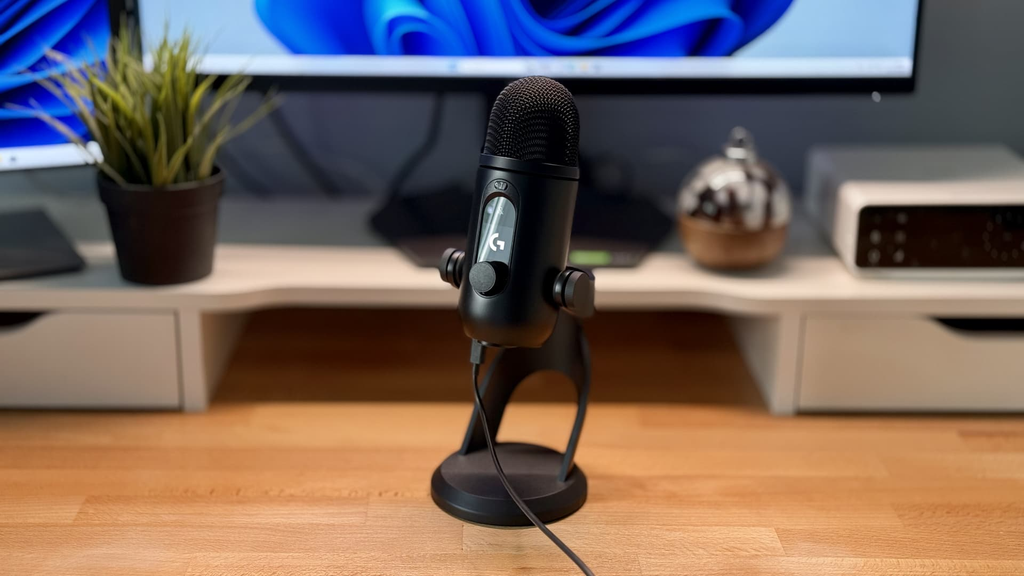
It keeps the familiar pill-shaped look, but almost everything inside has changed. It uses a redesigned array of three capsules, connects over USB-C and carries Logitech's Blue VO!CE audio processing.
A Microphone That Tracks Your Voice
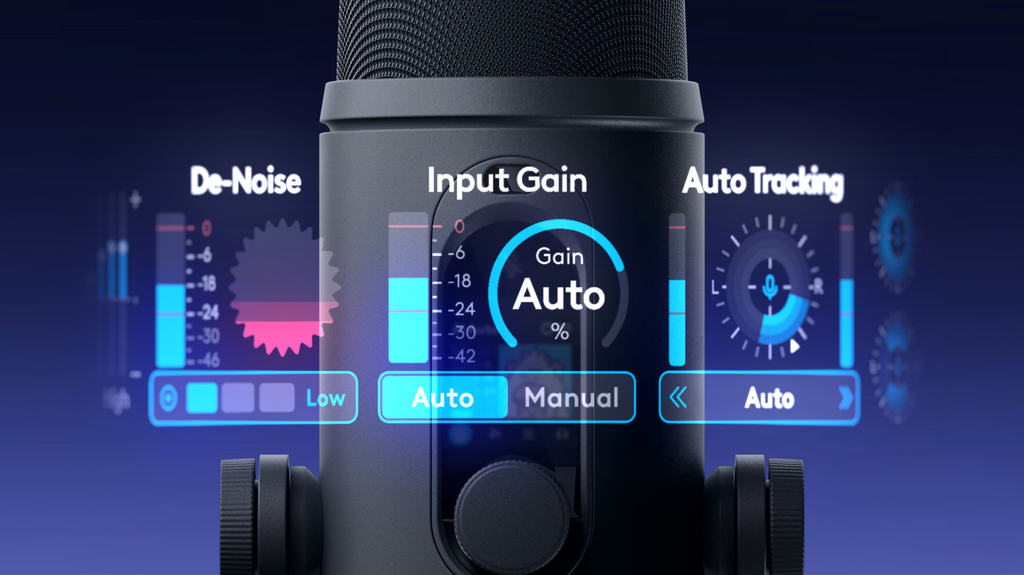
The headline feature is the Voice Proximity Sensor. It tracks your voice in 3D within roughly a two-meter radius, then adjusts the gain, EQ and pickup pattern in real time.
In practice, that means the microphone follows you. Lean to the left and the pickup zone shifts with you. Sit back in your chair and the gain rises to compensate. The goal is simple: keep your volume and tone consistent no matter how you move.
Anyone who has recorded a podcast or streamed knows why that matters. Most microphones sound great when you sit perfectly still in the right spot and noticeably worse when you lean back, turn to a second screen or get excited during a game. The Yeti 2 is built to smooth out those changes automatically.
It is completely overkill to build into a microphone, and that is exactly why it is so cool. In our time with it, it is a real game changer for anyone who moves around while they talk.
Here are the key specs:
- Capsules: redesigned three-capsule array
- Tracking: 3D Voice Proximity Sensor, effective within about two meters
- Auto adjustments: gain, EQ and pickup pattern in real time
- Noise reduction: AI-powered de-noiser
- Processing: Blue VO!CE
- Display: 1.3-inch color screen with onboard settings and presets
- Connection: USB-C, plug and play
- Colors: black and white
- Price: $159.99
The 1.3-inch screen also deserves a mention. It shows your settings, lets you switch onboard presets on the mic itself, and features a pixel-art Yeti mascot that reacts to your audio. You can even create your own 8-bit avatar in G HUB. It is a fun touch, but the real value is not needing to open software for every change.
What to Keep in Mind
A few things are worth weighing before you buy.
Automation is not for everyone. Experienced audio users who prefer full manual control may not want a microphone that changes its own gain and pickup pattern. You can still adjust settings yourself, but the point of the Yeti 2 is letting it handle things for you.
Room sound still matters. The AI de-noiser helps with background noise, but no microphone can fully fix a loud or echoey room.
Our full verdict is still coming. These are our early impressions. We will cover sound quality and day-to-day use in detail in our full video review on the WeDoTech YouTube channel.
Yeti 2 vs Shure MV6 Gen 2
The Shure MV6 Gen 2 is one of the closest rivals, with its own automatic gain feature.
- Price: $159.99 vs $169
- Auto adjustment: gain, EQ and pickup pattern based on 3D voice tracking vs Auto Level Mode based on distance and speech volume
- Range: about two meters vs consistent levels up to about 18 inches, according to Shure's original MV6 specs
- Noise reduction: AI de-noiser vs real-time denoiser and digital popper stopper
- Controls: 1.3-inch screen with onboard settings vs app-based control with a tap-to-mute button
The Shure is a dynamic microphone with a classic broadcast-style sound and a strong reputation for rejecting room noise. It is a great pick if you sit close to the mic.
The Yeti 2 wins on flexibility. Its 3D tracking covers a much larger area, and the screen makes on-the-fly changes easy. If you move around while gaming, streaming or recording, it is the more forgiving microphone.
Our verdict: the Shure suits creators who stay put in front of the mic. The Yeti 2 suits creators who do not.
Final Thoughts
The Yeti 2 is a worthy successor to one of the most important creator microphones ever made. The screen and onboard controls are nice, but the 3D Voice Proximity Sensor is what makes it special. A microphone that follows you and keeps your volume consistent is the kind of overkill feature you quickly stop wanting to live without.
Our recommendation: if you need one microphone for podcasts, gaming, recording and voiceovers, and you do not always sit perfectly still, the Yeti 2 is easy to recommend at $159.99. Keep an eye on our YouTube channel for the full review.
For more of the gaming and creator gear we covered this year, read MSI at Computex 2026: Everything Worth Talking About.