

ThinkBook Modular: A 2026 dual screen approach from Lenovo
By Stefan @wedotech
Lenovo Redefines Laptop Standards
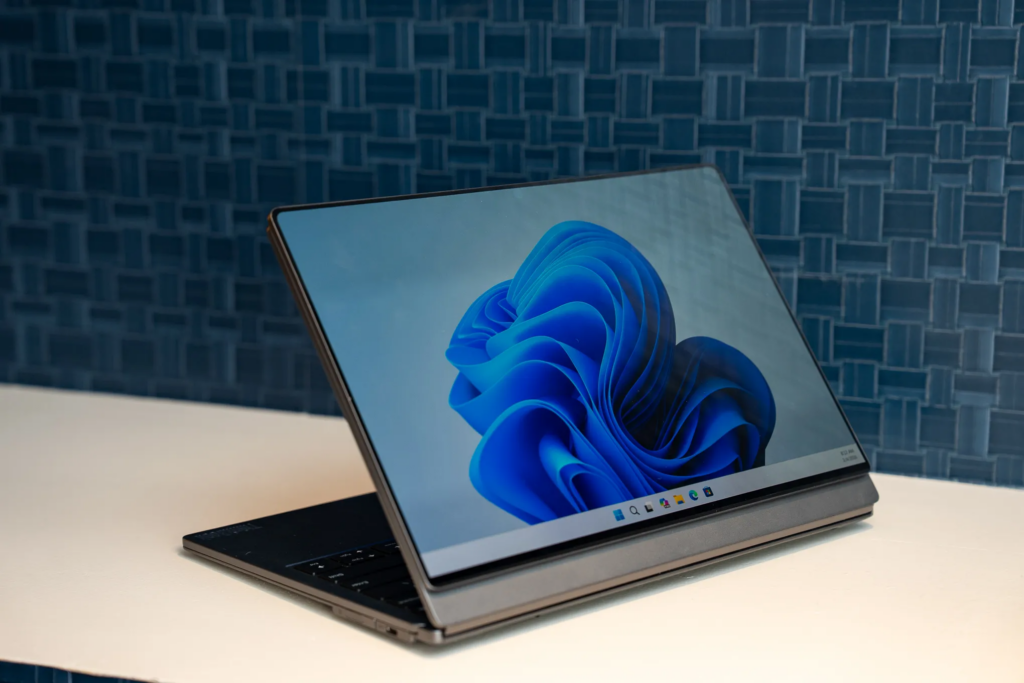
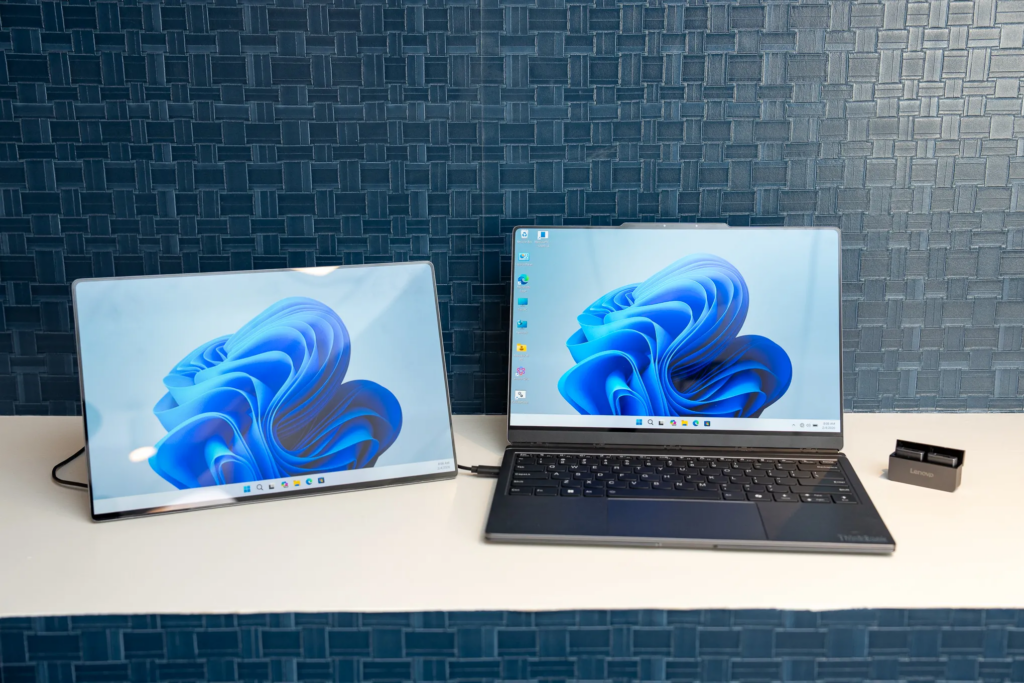
A fresh idea showed up at Mobile World Congress 2026 when Lenovo revealed its new ThinkBook concept. This isn’t just another small upgrade. It feels more like a bold reply to what Framework has been doing with user-built laptops. Rather than follow safe paths, they tried something different - a machine mixing swappable parts with two screens. What grabs attention? A removable OLED 4K touch panel. Sliding it out, you attach it next to the primary screen through a magnet-powered stand. Suddenly, one device acts like two monitors on the go.
Concept to consumer
A 14-inch slim frame forms the base of the ThinkBook Modular AI PC Concept, featuring changeable ports and removable parts. Instead of fixed connections, it uses plug-in modules you can switch out easily. A small OLED display attaches in different spots - flip it onto the lid for shared viewing across a table. Set it beside the main screen when working on several tasks at once. Slide it down into the keyboard area to get two active screens. Past designs from Lenovo have moved from idea to store shelves surprisingly fast. This one feels less like fantasy, more like something waiting to happen.
A Laptop That Doesn't Stay Ordinary
- Lenovo ThinkBook Modular Concept Features:
- Swappable ports for customization and repair
- Dual 4K OLED touchscreens, both fully interactive
- Magnetic kickstand for positioning the detachable screen
Starting anywhere helps when juggling tasks. Moving between ideas feels smooth. Design work flows without sticking. Presenting shifts naturally from one point to the next. Jumps happen easily across roles
What matters here isn’t numbers on a sheet. Shifting how machines fit real tasks drives the change. Workers might find they get more done when the display comes off. Artists gain a mobile space to shape ideas.
Cool Idea But Not Everyone Sees The Point?
It might sound bold - yet doubt makes sense here. Two OLED screens bring concerns around how long the battery lasts, how heavy it feels, how tough it holds up. If the software does not work smoothly, that removable display may feel flimsy, maybe even clumsy. Then again, Lenovo might be reaching for newness instead of usefulness. Sure, modular designs catch attention at first glance. Most people just want something straightforward, something they can count on, not endless tweaks.
Framework vs. Lenovo: Same Dream, Different Execution
A solid name in fix-it culture, Framework stands tall through user-powered upgrades. Meanwhile, big-league Lenovo rolls out daring ideas shaped by years of mass production.
Framework: Enthusiast-focused, fighting planned obsolescence
Starting off different, Lenovo stretches into more places people shop. Trying out gadgets with two screens adds a twist to how devices look. Not just one path taken, choices grow through fresh designs that stand apart
Different goals show up here. While one aims to help people keep gadgets longer, the other chases new shapes and styles. One isn’t better than the other, yet Lenovo’s ThinkBook might draw more attention - given it feels refined and fits what most want. The impact leans where ease meets expectation.

ThinkBook Modular Is It Rivalry Or Just Noise?
Starting strong, Lenovo’s ThinkBook Modular idea grabs attention with its daring design. Should it work out, pressure builds on Framework while others watch closely. Success might push modularity into the mainstream. Yet failure? That path leads straight to forgotten prototypes. How things unfold will decide which story wins.
One thing is clear: Lenovo's move shows modular laptops have outgrown their tinkerer roots. Into the spotlight they step, pushing rivals to rethink what comes next. The real test? Not flash, but function - how well new ideas fit into daily work life. Only time will tell if this ThinkBook reshapes routines or quietly fades.
If you enjoyed reading this, take a look at our personal guide on common PC Mistakes made in 2026.