
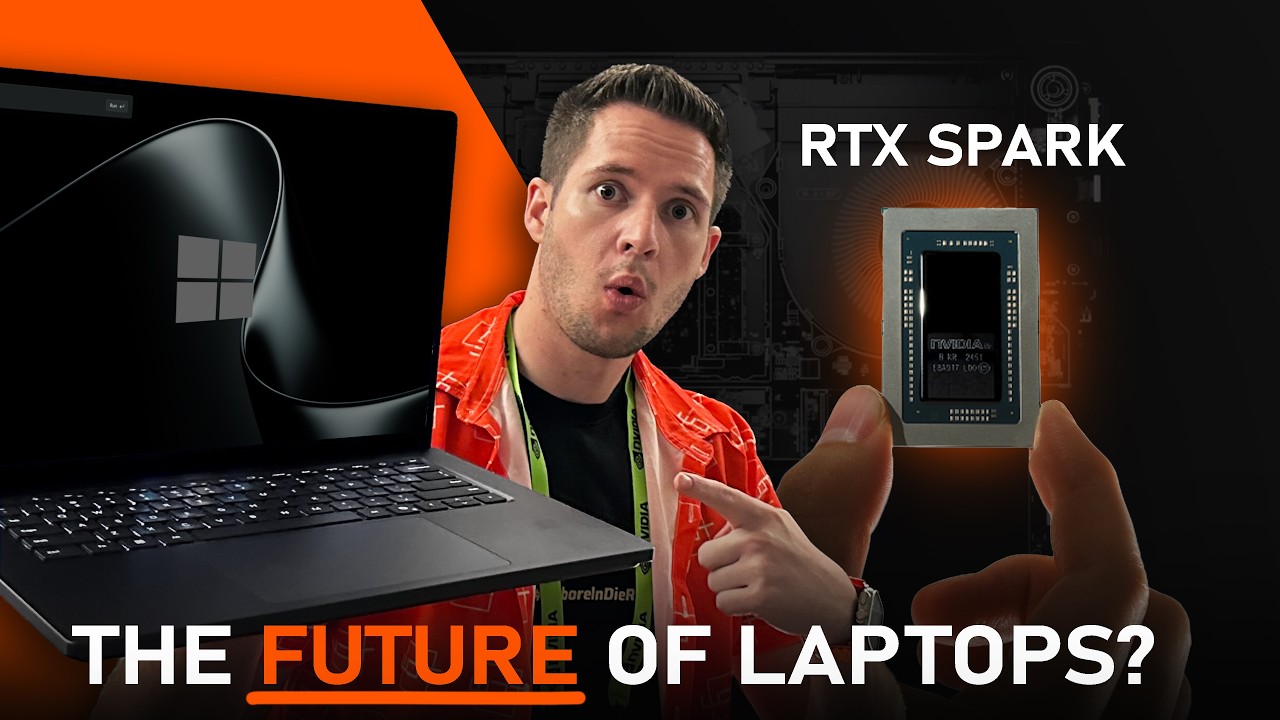

Microsoft Surface Laptop Ultra: The Windows MacBook Pro?
By Stefan @ WeDoTech
Microsoft Finally Built a Laptop Worth Comparing to a MacBook
That is not a sentence that has been easy to write for most of the past decade.
Surface laptops have always been well-made, genuinely nice products that ultimately made you wish you had bought a MacBook instead. Beautiful hardware, frustrating software compromises, and performance that never quite justified the premium. The Surface Laptop Ultra feels like Microsoft looked at that pattern and decided to actually fix it, not just talk about fixing it.
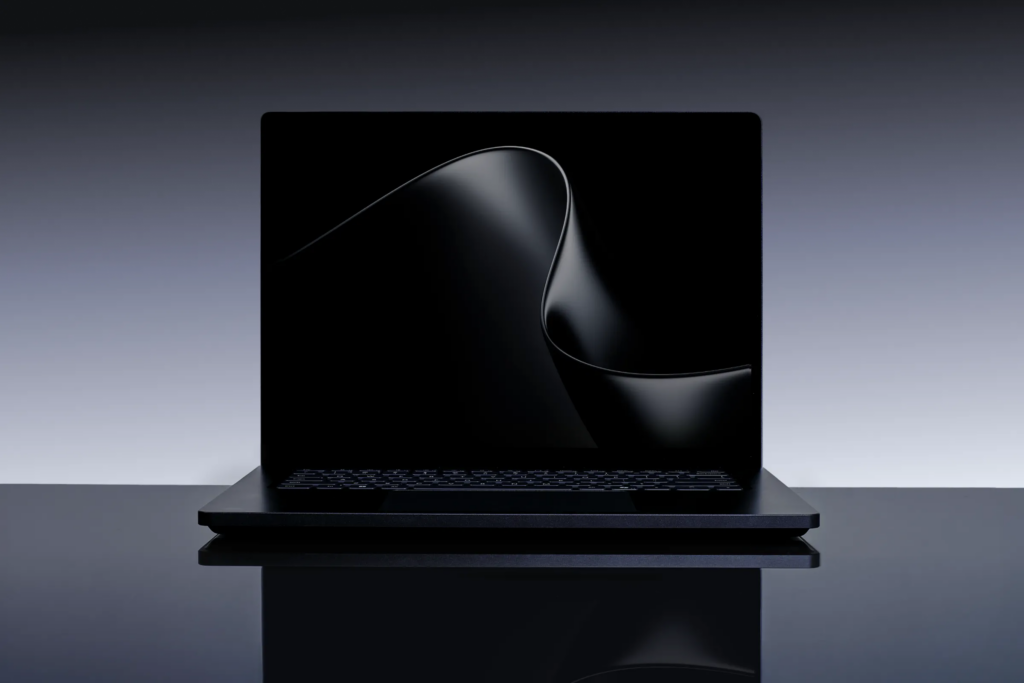
Announced at Computex 2026 in partnership with Nvidia, the Surface Laptop Ultra is the first Surface device built around the RTX Spark chip. It is also, without much debate, the most ambitious laptop Microsoft has ever made. After getting hands-on time with it at Computex, the honest reaction is cautious optimism rather than the usual skepticism. That is new territory for a Surface launch.
What RTX Spark Brings to a Surface
The RTX Spark chip inside the Surface Laptop Ultra combines a 20-core ARM CPU with a Blackwell GPU featuring 6,144 CUDA cores, connected via NVLink C2C. Up to 128GB of unified LPDDR5X memory is dynamically allocated between the CPU and GPU based on real-time workload demands. The whole platform targets 1 petaflop of AI compute, which translates to being able to run 120 billion parameter AI models locally without touching the cloud.
For context on the GPU performance, Microsoft positions the RTX Spark's graphics as equivalent to an RTX 5070 at up to 80W, making it a capable but power-conscious implementation rather than a full desktop-class GPU. The 300GB/s of memory bandwidth across the unified pool is the more interesting number for creative workloads, where moving large assets between the CPU and GPU has historically been a bottleneck that Apple Silicon largely eliminated on Mac.
The demo workloads at Computex included multi-camera 4K 10-bit video editing, real-time Unreal Engine scene manipulation, and local AI agents helping developers debug code without sending data to the cloud. None of these are tasks that previous Surface laptops could handle seriously. On the Surface Laptop Ultra, they ran without the kind of hesitation that usually signals a machine being pushed past its comfort zone.
The Design Decisions That Actually Matter
The most surprising thing about the Surface Laptop Ultra is not the chip. It is how thoughtfully Microsoft built everything around it.
Putting a 140W AI workstation into an ultra-thin laptop creates a heat problem. Microsoft's answer was to redesign the motherboard with physical cutouts specifically to make room for the largest cooling fans ever fitted in a Surface device, resulting in a thermal capacity 2.5 times greater than the Surface Laptop 7. The fans being larger matters because larger fans can move the same amount of air at lower RPM, which translates directly to quieter operation. From what was seen at Computex, the Surface Laptop Ultra runs surprisingly cool and quiet for the workloads it handles.
The repairability story is genuinely worth highlighting. Four screws under the rubber feet get you inside. Once open, every component is labeled with the exact number of screws it uses and the screwdriver required, alongside a QR code linking directly to a repair guide. Right-to-repair conversations in the laptop industry have mostly been about what brands say. Microsoft actually did something here.
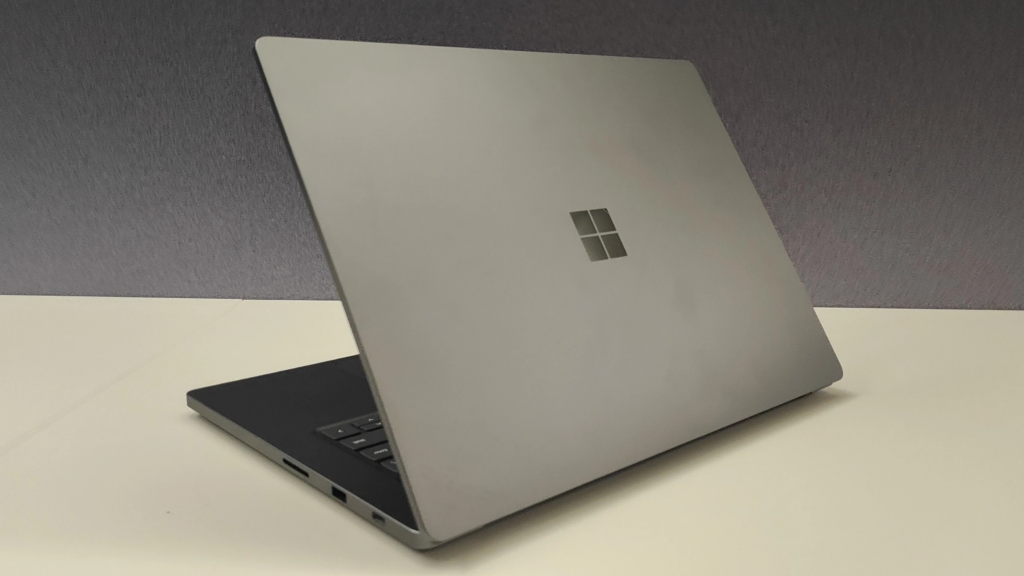
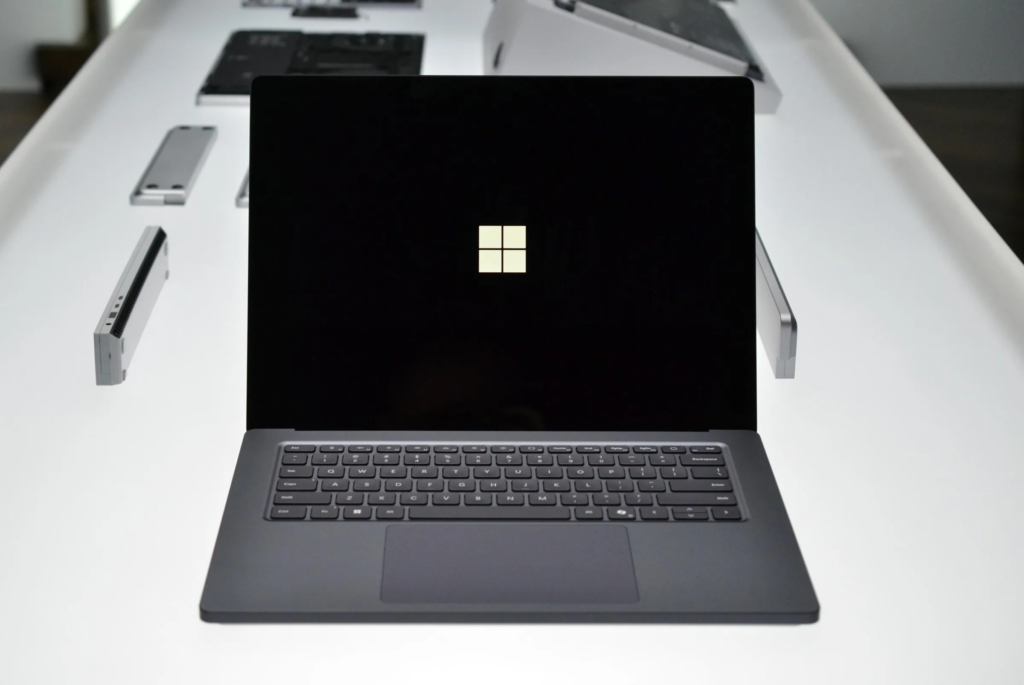
The rest of the design reflects the same level of considered thinking. Hot air exhausts out the rear, away from the user. The 15-inch mini-LED PixelSense Ultra touchscreen reaches 2,000 nits of peak HDR brightness, the brightest display ever shipped in a Surface. The haptic trackpad is sized to match the display's aspect ratio. Ports are thoughtfully spaced. Available in Black and Dark Silver, the chassis weighs around 2kg, which puts it in the same territory as a 16-inch MacBook Pro.
The Questions That Still Need Answering
Pricing has not been confirmed. Industry estimates based on RTX Spark platform economics place base configurations starting around $2,899, with fully loaded 128GB models potentially reaching significantly higher. For reference, a MacBook Pro M5 Max starts at $3,599. Where Microsoft lands within that range matters enormously for how the Surface Laptop Ultra is received when it ships in fall 2026.
Performance benchmarks have not been independently verified. The Computex demonstrations were controlled environments, and Nvidia has a well-documented history of making performance claims that look more complicated once third-party reviewers get extended access. The RTX Spark platform's battery life claims under real-world mixed workloads, rather than light browsing, also remain unconfirmed.
Software is the biggest outstanding question. Microsoft is reportedly redesigning parts of Windows specifically around RTX Spark hardware, including the possibility of hardware-specific updates rather than the universal approach Windows has used for decades. ARM compatibility has improved meaningfully since the early Snapdragon X days, with software emulation no longer eating performance and anti-cheat support now functional. But the gap between a Windows experience and the seamless integration Apple has built over years on its own silicon does not close with a hardware announcement. That work takes time, and the Surface Laptop Ultra will ship before most of it is done.
Surface Laptop Ultra vs. MacBook Pro M5 Max
At comparable configurations, the Surface Laptop Ultra and the MacBook Pro M5 Max will occupy similar price territory and target the same professional audience.
The MacBook Pro M5 Max brings years of software optimization, macOS ecosystem integration, class-leading battery life in practice, and Apple's proven track record of delivering on performance claims. It is the safer choice for creative professionals who can work within Apple's ecosystem.
The Surface Laptop Ultra counters with full NVIDIA CUDA support, which matters significantly for AI development and GPU-accelerated workflows that are better served by Nvidia's ecosystem than Apple's Metal framework. The RTX GPU architecture also means access to DLSS, RTX features, and a broader range of professional GPU software that simply does not exist on Mac. The repairability advantage is real and meaningful for enterprise buyers. And for anyone whose work involves Windows-specific software, the choice is made before the spec sheet matters.
Final Thoughts
The Surface Laptop Ultra is the most credible MacBook Pro competitor Microsoft has ever built. That is a meaningful statement, not an exaggerated one. The hardware is genuinely impressive, the design thinking is more considered than any previous Surface, and the RTX Spark platform's potential for creative and AI workloads is real.
Whether it delivers on that potential in daily use depends on answers that are not available yet. Pricing, battery life under real workloads, Windows optimization progress, and independent performance benchmarks will all determine whether the Surface Laptop Ultra lives up to what Computex suggested it could be.
For the first time in a long time though, a Windows laptop walked away from a demo leaving a genuine impression rather than a polite one. That counts for something.
If the rest of the RTX Spark lineup interests you, check out our hands-on with the Dell XPS 16 Creator Edition, another Computex 2026 reveal making a strong case for this generation of Windows creator laptops.